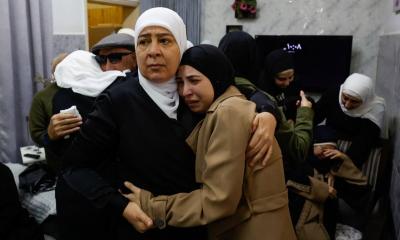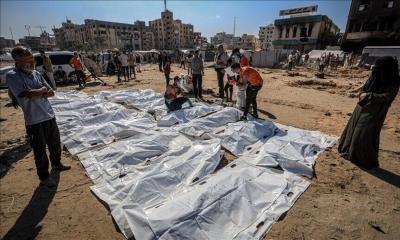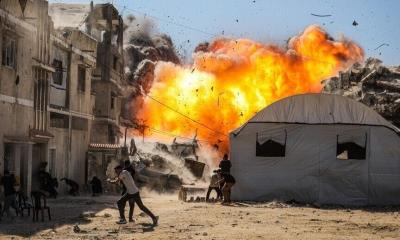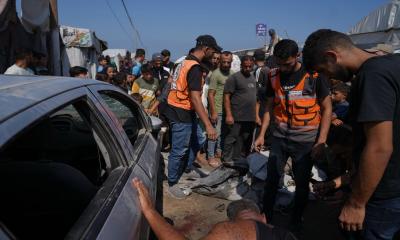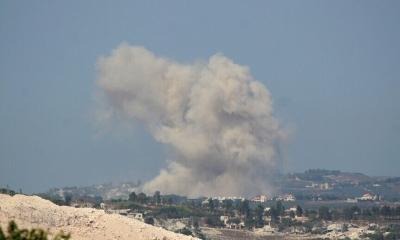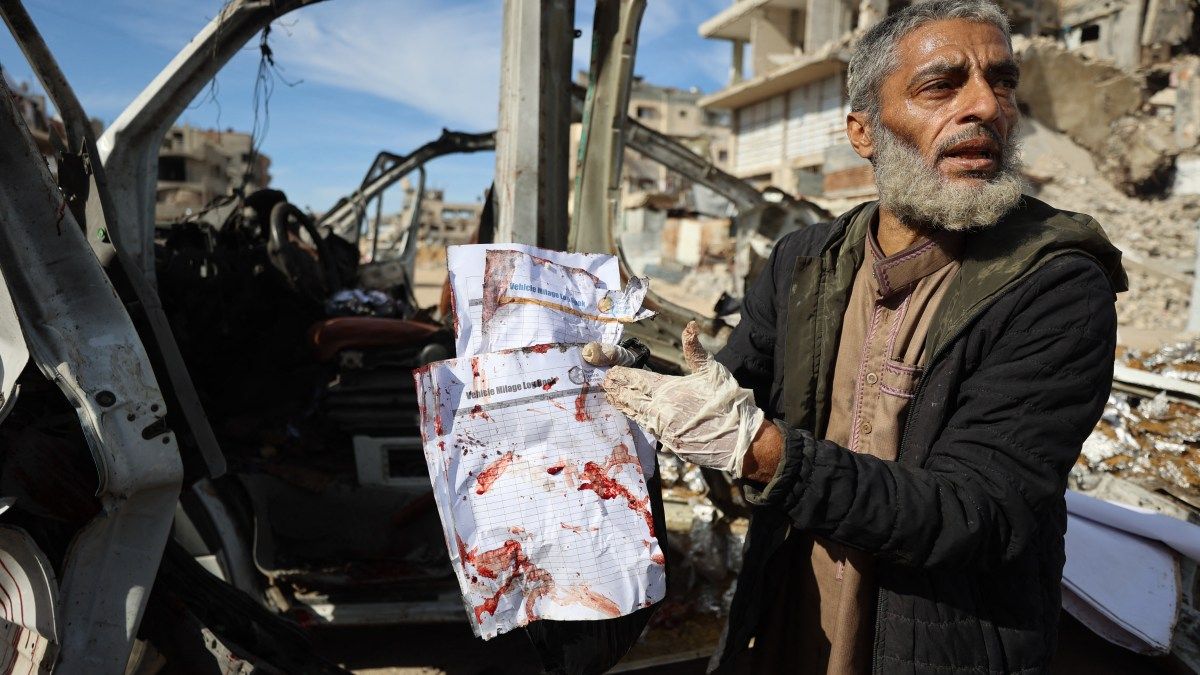
Israeli attacks across the Gaza Strip killed at least four Palestinians in violation of last year’s ceasefire agreement. Severe winter flooding compounded the humanitarian crisis in the enclave at the same time. Three people died on Saturday when an Israeli drone struck their vehicle in the Tel al-Hawa neighbourhood of Gaza City. A Palestinian man was transporting food rations to displaced people in a van on Al-Sina’a Street when the strike occurred.
Separately, a Palestinian man was shot dead by Israeli gunfire in the Halawa displacement camp, located east of the Jabalia refugee camp in northern Gaza. These incidents occurred as Israel continued its military campaign despite a ceasefire that came into force last October. Gaza’s Health Ministry reported that 1,671 people have been killed since the truce began. This brings the overall death toll to 74,736 Palestinians since the war started three years ago.
The bombardment in Gaza coincided with an increase in attacks by Israeli settlers in the occupied West Bank. Hamza Masoud Salim Abdo, aged 42, was shot dead late on Friday by security guards from an illegal Israeli settlement near the village of Dura al-Qar, north of Ramallah. Another Palestinian man was detained during the same incident. The Palestinian Health Ministry stated that Israeli authorities were withholding the victim’s body.
Reporting from Ramallah, journalist Nour Odeh said that settlers have been carrying out attacks with impunity. Less than three percent of investigated Israeli attacks lead to convictions by authorities. The number of reported incidents stays low because Palestinians face detention, questioning, or harassment when filing complaints against violent settlers.
International actors have responded to the violence in the West Bank with criticism. Western leaders face accusations of failing to back their rhetoric with action. Earlier in the month, an investigation revealed that the United Kingdom awarded $14.4m in public contracts to firms linked to illegal West Bank settlements, despite a declared ban on goods from those areas and sanctions against companies involved in settlement expansion.
Winter weather has worsened conditions for displaced civilians in Gaza. The World Food Programme warned that families have resorted to burning rubbish for cooking fuel. Shaun Hughes, the WFP country director for Palestine, stated that wet weather has made even that difficult, warning that rubbish is now wet.
The delivery of essential shelter has also faced severe restrictions. The International Organization for Migration stated that more than 100,000 tents remain stuck in Egypt because of strict conditions imposed by Israel. Karl Baker, head of the IOM Gaza programme, explained that items are frequently rejected without specific explanations regarding dual-use concerns, with officials stating that tents are simply not allowed to enter Gaza.