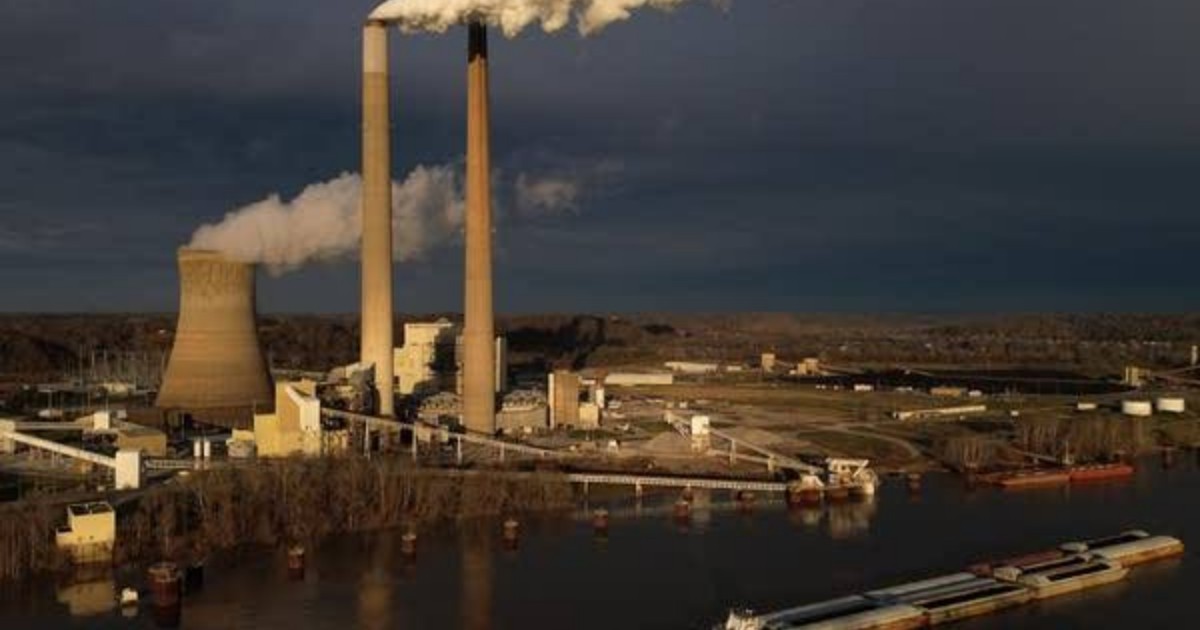
The United States Environmental Protection Agency announced the formal repeal of federal regulations limiting greenhouse gas emissions from coal and gas-fired power plants on Monday. EPA Administrator Lee Zeldin delivered the announcement during a briefing in Houston, stating that the rollback removes decades of federal restrictions intended to mitigate planetary warming. Agency projections indicate the elimination of these mandates will save domestic energy utilities more than 300 billion dollars in compliance costs.
Decades of federal air-quality restrictions have been dismantled.
Administrative officials defended the move as a necessary reduction in regulatory oversight to expedite the construction of domestic electrical infrastructure. Under the new guidelines, utility operators will no longer face regulatory mandates compelling the closure of older or less efficient fossil-fuel generating units. The agency also proposed a supplemental rule scheduled for finalization next year that seeks to bar future presidential administrations from reinstating greenhouse gas emissions caps on the utility sector.
Environmental litigators and public health advocates announced plans to challenge the decision immediately in federal court. Maggie Coulter, an attorney at the Center for Biological Diversity’s Climate Law Institute, warned that disregarding power sector emissions would exacerbate fatalities linked to severe heatwaves, destructive wildfires, and erratic storm systems. Democratic Senator Patty Murray of Washington State condemned the rollback publicly, arguing that lifting statutory caps allows utility facilities to generate unmonitored pollution that jeopardizes regional water systems and clean air standards.
The ruling marks the latest reversal of federal environmental oversight.
Since taking office in early 2025, President Donald Trump has targeted nearly three dozen environmental statutes as part of an aggressive domestic deregulation initiative. The administration previously revoked a 2009 scientific finding that classified carbon dioxide and related industrial emissions as verified hazards to human welfare, a determination that had formed the legal bedrock for motor vehicle and factory standards. That revocation is currently contesting multiple lawsuits filed by regional medical organizations and municipal governments.
The latest deregulation was unveiled alongside a G20 ministerial conference focusing on energy abundance in Texas, spotlighting an expanding policy divergence between Washington and European allies committed to binding carbon reduction frameworks. The administration has maintained this deregulatory push even as fuel markets face disruption from the ongoing Iran conflict, with retail gasoline prices across the country averaging 4 dollars and 31 cents per gallon. Agency leadership characterized the changes as an essential measure to dismantle past climate initiatives enacted under previous administrations and secure long-term domestic power supplies.