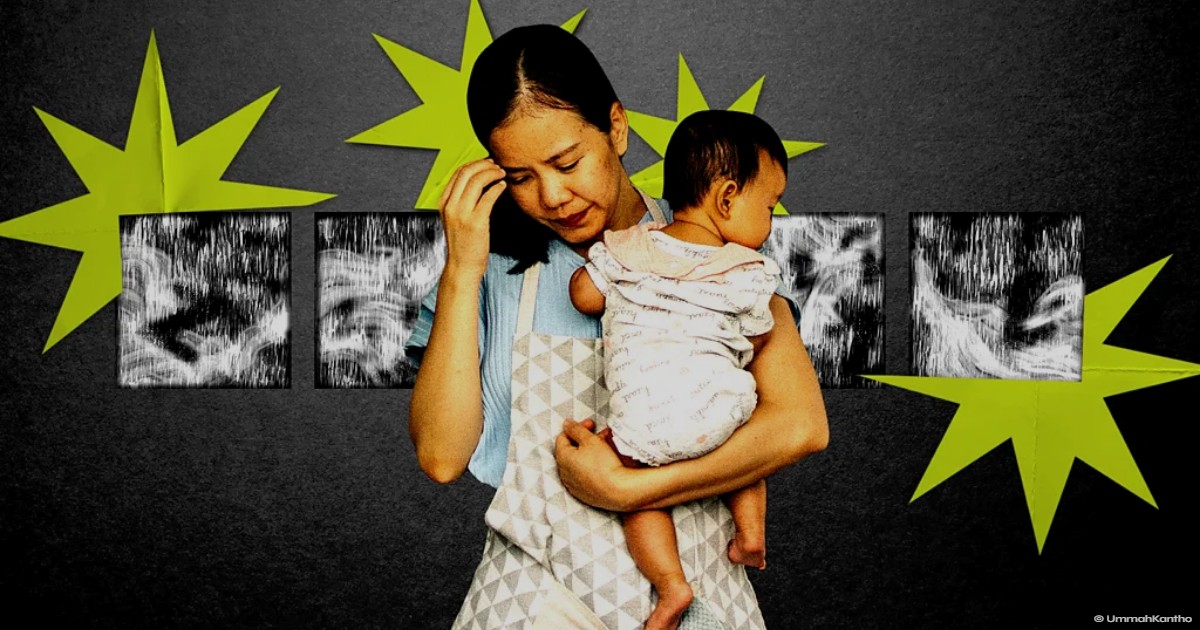
The exhaustion of modern parenting has become a universal topic of conversation, often described as a bone-crushing, constant state of fatigue. When parents share their experiences on digital forums, the narrative is almost always the same: they are tired beyond measure. However, an intriguing paradox has emerged in recent scientific studies. While today`s parents report higher levels of burnout and sleep deprivation, data suggests they might be getting nearly as much sleep as their non-parent peers and even their distant ancestors. This discrepancy raises a fundamental question: if the hours of sleep are relatively sufficient, why does the exhaustion feel so much more intense in the 21st century?
Historical and anthropological evidence indicates that the primary difference lies not in the quantity of sleep, but in the social architecture surrounding child-rearing. For the vast majority of human history, humans lived in foraging societies where parenting was a collective endeavor. David Samson, Director of the University of Toronto’s Sleep and Human Evolution Lab and author of The Sleepless Ape, argues that our ancestors benefited from "social sleep." In these communal settings, infants were cared for by a network of relatives and group members, a practice known as alloparenting. This meant that the burden of nighttime waking and daytime vigilance did not fall solely on the biological parents.
In contrast, the modern industrialized world has largely abandoned the communal "village" in favor of the nuclear family. Today’s parents often live in isolation, miles away from extended family, and are expected to manage professional careers alongside the relentless demands of a developing child. This structural shift has created a psychological burden that our ancestors simply did not face. When a modern parent wakes up at 3:00 AM, they are often alone in their struggle, leading to heightened stress responses. This lack of a support system turns a natural biological rhythm into a source of chronic anxiety, which significantly impacts the perception of fatigue.
Data from various international studies further complicates the sleep narrative. A German study involving 40,000 participants found that while new mothers lose about an hour of sleep in the initial months, the average sleep duration for parents of children under six remains around seven hours. Similarly, US and French surveys indicate that many parents spend between eight to nine hours in bed. Yet, the reported levels of dissatisfaction with sleep quality remain high in modern societies. Experts suggest this is due to our rigid expectations of what "good sleep" should look like. The Western ideal of an uninterrupted eight-hour block is an evolutionary anomaly. Foraging societies, which serve as a window into our past, show that frequent waking was normal and accepted, rather than a cause for medical concern.
The impact of digital technology and work-life blurring cannot be overlooked in this analysis. The presence of artificial blue light from smartphones and laptops suppresses melatonin production, making it harder for parents to fall asleep during the precious windows of opportunity they do have. Moreover, the "mental load"—the invisible labor of planning, scheduling, and worrying about a child’s future—keeps the modern brain in a state of hyper-arousal. Unlike our ancestors, who could mentally "clock out" once the sun set and the group settled, the modern parent is constantly reachable and inundated with conflicting parenting advice through the internet.
What follows from this research is the realization that tackling parental exhaustion requires more than just advising parents to "sleep when the baby sleeps." It requires a systemic re-evaluation of how we support families. The biological reality of a waking infant has not changed in millennia, but the environment in which we raise them has changed drastically. The transition from a collective care model to an isolated, high-pressure model has made the same amount of sleep feel significantly less restorative. The feeling of being "bone-tired" is often the result of an emotional and social deficit rather than a purely physical one.
Ultimately, understanding the evolutionary context of sleep can help alleviate the guilt many parents feel. Realizing that human beings were never meant to raise children in isolation can shift the focus from personal failure to a broader critique of modern social structures. To combat this epidemic of exhaustion, we must find ways to rebuild the "village," whether through community networks, better parental leave policies, or simply adjusting our expectations to match our biological reality. Sleep is a biological necessity, but rest is a social achievement. Until we address the isolation of the modern family, the exhaustion of the contemporary parent will likely remain a hallmark of our era.