As of May 2026, the global economy is navigating through a period of extreme turbulence. Skyrocketing inflation and the rising cost of essential commodities have put immense pressure on ordinary citizens. In these challenging economic times, Muslim families are undergoing a radical transformation in their lifestyles. According to reports from Reuters and Arab News, many households in 2026 are abandoning luxury in favor of "Qana`ah," the Islamic principle of contentment with little. There is a growing realization that happiness does not come from high income alone but from the "Barakah" (divine blessing) that stems from the purity of one’s earnings.
In Islamic economics, the importance of halal (permissible) income is paramount. According to the teachings of Prophet Muhammad (PBUH), halal sustenance is a prerequisite for the acceptance of worship. In the difficult landscape of 2026, many Muslim professionals and entrepreneurs are distancing themselves from unethical benefits or interest-based (riba) transactions, even if it means a reduction in their overall income. Interviews conducted by Ummah Kantho with several heads of households reveal that they now prioritize avoiding the forbidden (haram) over maximizing profits. They testify that the mental peace and blessing found in a modest but halal income far outweigh the stress associated with illegally acquired wealth.
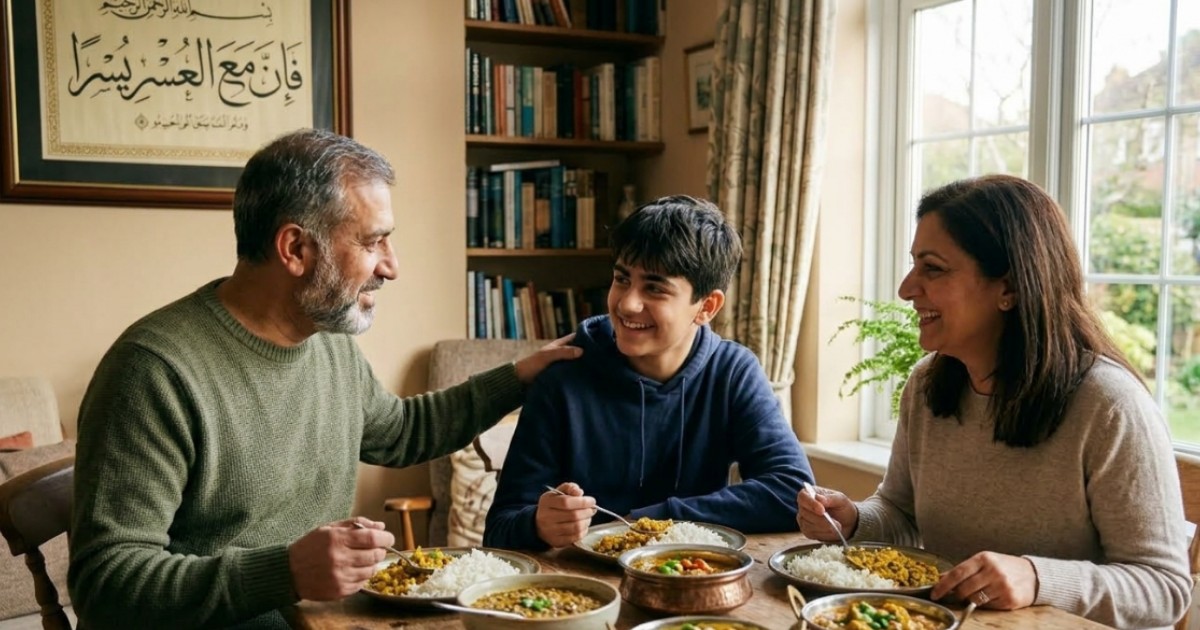
Family frugality has become a hallmark of Muslim homes in 2026. The Quran explicitly warns against extravagance, stating that the spendthrifts are brothers of the devils (Surah Al-Isra, 17:27). In today’s inflationary market, this teaching has become exceptionally relevant. Many families have ceased unnecessary spending and are adapting to home-cooked meals and simpler attire. This shift has encouraged family members to be less demanding and more respectful of each other`s needs. Specifically, children are being taught that joy is not found in expensive toys or designer clothes but in spending meaningful moments with the family.
This economic crisis has brought many families closer than ever before. Where family members once pursued their careers in isolation, they are now gathering around a table to discuss budgets and cost-saving measures. This is reviving the culture of "Shura" or mutual consultation within the household. Sociologists observe that the hardships of 2026 have provided Muslim families with an opportunity to return to their core values. People are beginning to understand that wealth is a trust (amanah) from Allah, and its righteous use is what ensures the true security of the family. A humble, halal, and happy life has become the new identity of Muslim society in 2026.