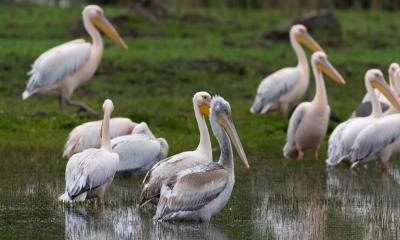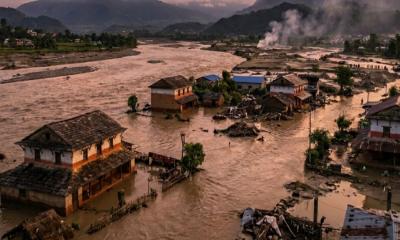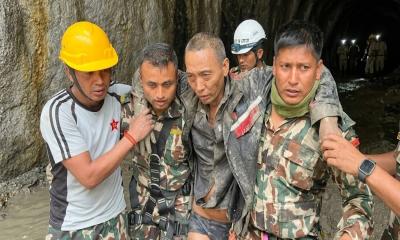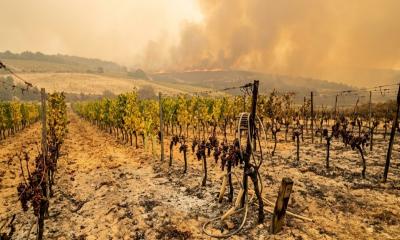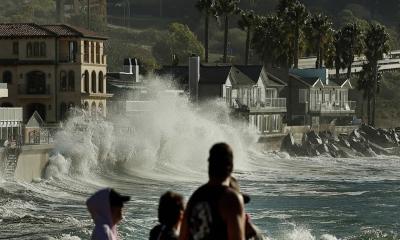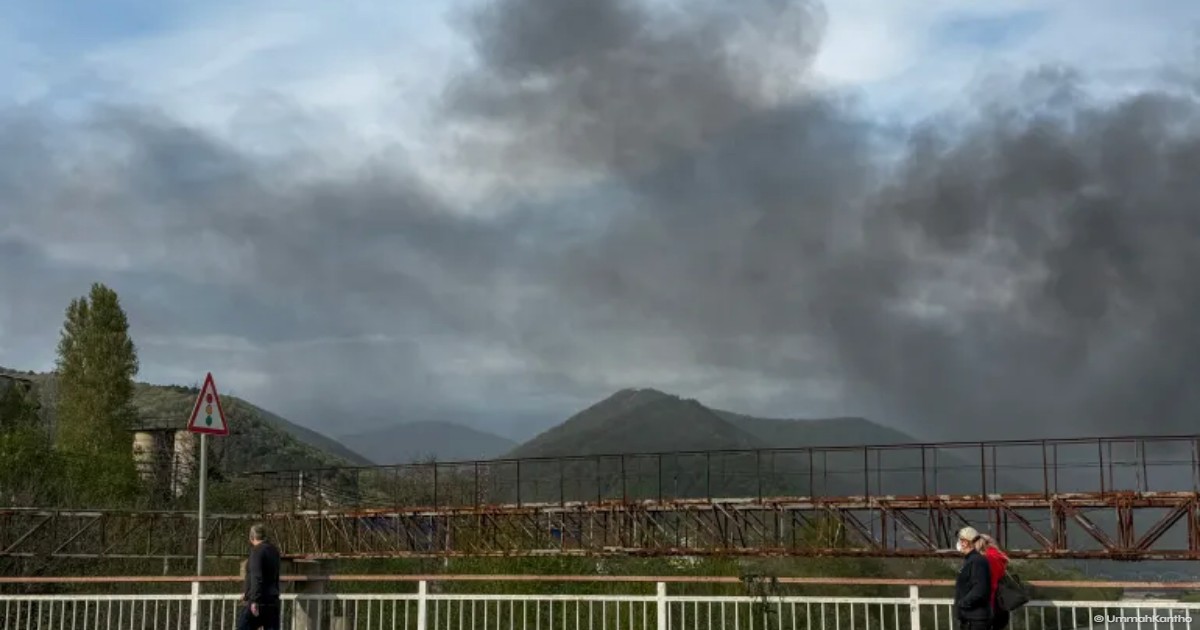
The environmental catastrophe currently unfolding on Russia’s southern coast is one of the most severe in the region’s modern history. Since late April 2026, the Black Sea port city of Tuapse and the surrounding areas, including the resort city of Sochi, have been grappling with the devastating fallout of Ukrainian drone strikes on critical oil infrastructure. While the immediate cause may be attributed to the ongoing conflict, a deeper analysis reveals that the scale of this disaster is a direct consequence of the systemic neglect, deregulation, and repression that characterize the current Russian political system. Residents have reported the surreal and terrifying phenomenon of "black rain"—a toxic mix of soot and petroleum residue falling from the sky—coating everything from cars to wildlife in a thick, greasy layer of grime.
The structural roots of this disaster lie in Russia’s fossil-fuel-dependent war economy. For years, the Kremlin has systematically dismantled environmental protections to facilitate the rapid extraction and export of oil and gas, which fund its military ambitions. Independent environmental organizations have been labeled "foreign agents" or "undesirable," and activists have been forced into exile or silenced through legal harassment. This erosion of oversight has left the country’s industrial heartlands vulnerable to catastrophic failures. The strikes on the Tuapse refinery merely acted as a catalyst, exposing a system that has long prioritized profit and power over ecological safety. Even as the sea turns black and dolphins wash ashore dead, the official response has been one of secrecy and denial, echoing the catastrophic patterns seen during the Chernobyl disaster decades ago.
Perhaps most striking is the Russian authorities’ attempt to minimize the scale of the damage to maintain a semblance of normalcy. Even as toxic concentrations of benzene and xylene reach levels three times higher than safe limits, officials are already discussing the reopening of beaches for the summer tourist season. This disconnect between reality and official narrative highlights the government’s refusal to accept accountability for the environmental destruction occurring within its borders. Cleanup volunteers on the ground in Tuapse and Sochi have reported being harassed or obstructed by security services while trying to save distressed animals. Journalists attempting to document the oil spill or its impact on the local community have faced detention, further illustrating the tightly controlled space for any discussion that might reflect poorly on the state’s management of the crisis.
Despite the suppression of dissent, a unique wave of public reaction is surging within Russia, largely facilitated by technology. Citizens are using VPNs to access banned platforms like Instagram to share unedited photos of blackened beaches and dying birds. Interestingly, the discourse is shifting; while initial reactions often blamed the external attacks, an increasing number of Russians are now questioning their own government’s lack of transparency and coordination. The environmental collapse has become a rare channel through which criticism of the broader political system can surface. In a country where calling the war a "war" can lead to imprisonment, the ecological ruins of the Black Sea coast provide a visible, undeniable testament to the high cost of the current regime’s policies.
The disaster also reignites a global debate over "ecocide" in wartime. While Ukraine has been a vocal advocate for recognizing environmental destruction as an international crime, the strikes on oil refineries have led some critics to question the long-term ecological consequences of such tactics. However, activists like Arshak Makichyan argue that the primary responsibility lies with the system that embedded such hazardous infrastructure into the heart of a war zone. This pattern of exploitation extends beyond the Black Sea; it is seen in the deregulation of Lake Baikal and the marginalization of indigenous communities in Russia’s extractive regions. The imperial governance model that once saw the genocide of the Circassian people in these very lands now oversees an environmental degradation that treats the native soil and sea as disposable assets for the war machine.
The Black Sea disaster serves as a stark reminder of the limitations of international law in addressing large-scale environmental crimes during conflict. Mechanisms to hold states accountable for ecological damage remain weak, as seen in the lack of sustained legal consequences following the destruction of the Kakhovka Dam. As the oil slick continues to drift along the "Russian Riviera," the long-term impact on biodiversity—disrupting the food chain for fish, shellfish, and marine mammals—will likely take decades to repair. The crisis in Tuapse is not just a localized industrial accident; it is a profound failure of a political system that has alienated itself from the natural world, leaving the citizens and the environment to pay the ultimate price for a war of choice