More than 200,000 Rohingya refugees in Bangladesh will gain reliable access to safe drinking water and improved hygiene facilities through a new initiative backed by Saudi Arabia. The King Salman Humanitarian Aid and Relief Center partnered with the International Organization for Migration to launch the effort in Cox’s Bazar.
,The organizations signed a cooperation agreement in July to deliver sustainable water and sanitation services across seven camps. The implementation phase of the $2.5 million project began on October 1 and will run for 12 months. The International Organization for Migration will build and upgrade infrastructure, including solar-powered water networks, wastewater treatment systems, and washing facilities.
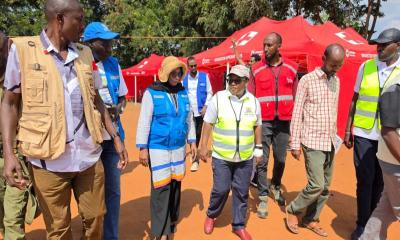
,Dr Laura Tomm Bonde, chief of mission for the International Organization for Migration in Bangladesh, spoke about the scope of the undertaking. She noted that more than 200,000 Rohingya are expected to benefit from the project. The initiative will improve access to safe water, cleaner sanitation facilities, and better hygiene services.
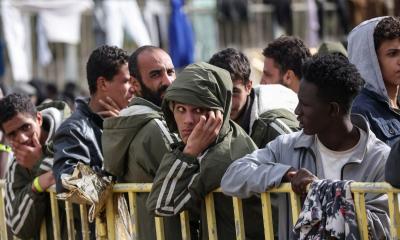
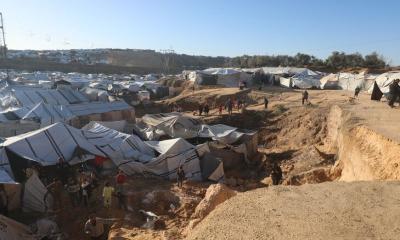
,Cox’s Bazar hosts about 1.3 million Rohingya Muslims who fled persecution in neighbouring Myanmar over decades, with large numbers arriving during a military crackdown in 2017. This influx transformed the district into the largest refugee settlement in the world. Humanitarian conditions in the camps have deteriorated over the years alongside a continuous decline in international aid since the COVID-19 pandemic.
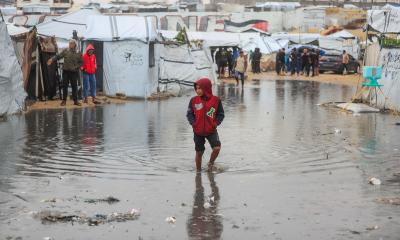
,Bonde pointed out the ongoing difficulties nine years after the mass displacement. More than 1 million people continue to live in the camps, and daily life remains hard for many families. Access to safe water, clean toilets, and proper hygiene is still a challenge, particularly in overcrowded areas.
,Humanitarian agencies and the government of Bangladesh have spent years working to improve living conditions in the settlement. Declining funding is placing pressure on organizations trying to sustain these operations. Shortfalls since last year have forced groups helping the Rohingya to prioritize the most urgent life-saving services while putting other programs on hold.
,The project funded by the Saudi agency makes a direct difference in the lives of communities that depend on aid, according to Bonde. Proper sanitation and hygiene facilities protect people from disease and help them live in dignity.
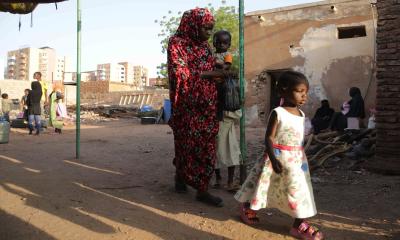
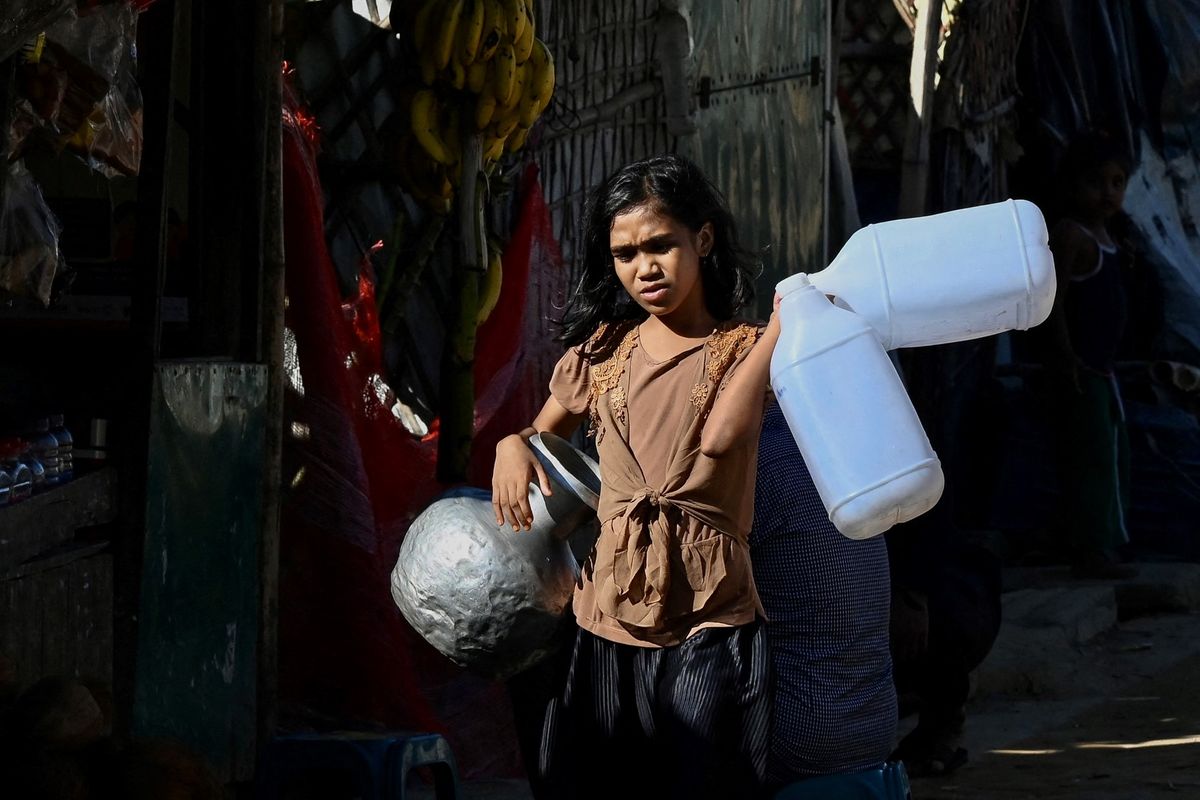
,Limited access to clean water compromises health and safety within the camps, leaving women and children vulnerable. Babu Nesa, a 45-year-old mother of two, welcomed the intervention. She expressed hope that the support would ease water and sanitation problems in the settlement.
,In some camps, bathrooms are far from living areas, which can make young girls feel unsafe and put them at risk of harassment or kidnapping, Nesa said. This assistance will help make it safer for them.