Unmanned aerial vehicles have caused two-thirds of all child casualties in the ongoing conflict in Sudan this year, the United Nations announced on Tuesday.
Between January and September, a total of 410 children were killed or injured across the country, according to UNICEF.
James Elder, a spokesman for the agency, told reporters in Geneva that armed drones were responsible for approximately 270 of those casualties.
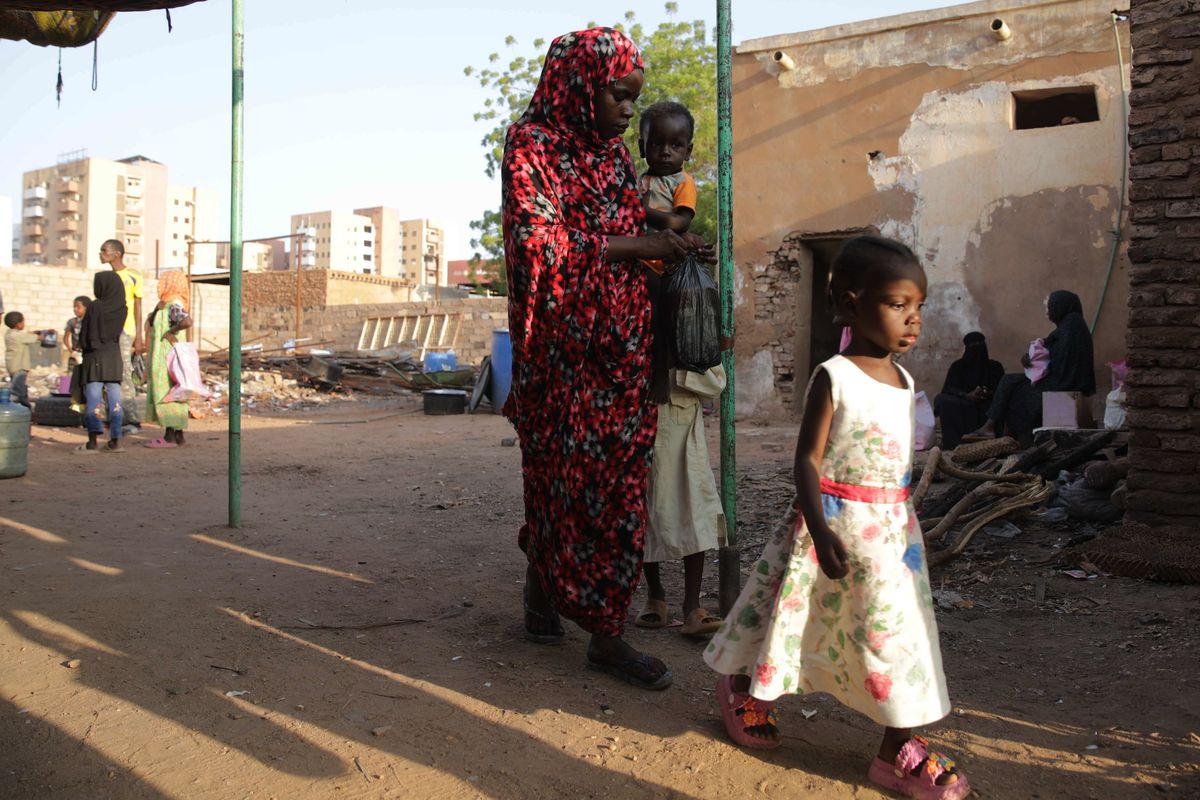
"They are bringing the war to places that were once safe," Elder said. He added that people in Sudan talk about three things, which are safety, education and water. Armed drones are taking all three.
The war between the regular army and the paramilitary Rapid Support Forces began in April 2023. Aid workers estimate that the conflict has killed more than 200,000 people and triggered the world’s largest hunger and displacement crises.
As front lines have solidified, both sides have relied on drones capable of striking targets hundreds of kilometres away without risking their fighters. More than 1,100 people were killed in drone attacks across Sudan during the first half of the year, according to the United Nations.
Elder said an escalation in drones targeting civilian infrastructure is also deepening the devastation wrought by the drought gripping Sudan. "Drones and drought are closing in on Sudan’s children from both sides," he warned.
During October alone, as many as 15 drone strikes hit power stations across the country. When a power station is struck, water pumps and water treatment stop, forcing families onto expensive and unsafe alternatives and putting people at risk of water-borne diseases like cholera.
An estimated 825,000 children under the age of five are expected to suffer from the deadliest form of malnutrition this year.
UNICEF and its partners have provided health care and vaccinations to millions of children in Sudan, alongside repairing and solarising water systems. Elder said that with so many crises at once, everything is stretched to breaking point, adding that the agency’s operations in Sudan were just one-third funded.