A video circulated widely on social media on Monday, November 10, showed a grieving woman holding the shrouded body of an infant. The child, identified as Gaza Ali Abdulmughni al-Shaqab, fell ill and died after her family could not secure emergency medical care. According to the Yemeni Network for Rights and Freedoms, Houthi forces attacked the vehicle carrying the baby to hospital as it travelled along mountain roads. "Our children are dying because of the siege," the woman said in the video. "We have no open road, no medics and no medicines."
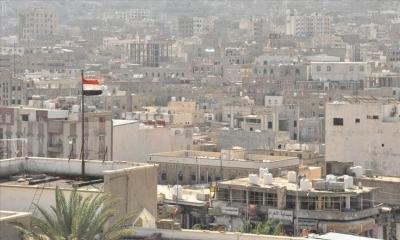
The military blockade of Taiz and surrounding areas intensified in early October when Houthi forces advanced around the city and cut off the last major supply route into government-held territory. Fighting between the Iran-backed group and the Saudi-backed Yemeni government escalated over the summer before the Houthis seized substantial territory along the Red Sea coast in September. Government counteroffensives have achieved only limited success, and the siege on nearly two million residents continues.
The Yemeni government accused the Houthis of tightening the blockade and preventing the entry of food, safe drinking water, medicines and fuel. Human Rights Watch stated on October 29 that the siege imposed by the Houthis on civilians in Taiz may amount to the war crime of using starvation as a method of warfare. The Houthis denied responsibility for the road closures, blaming Yemeni government forces instead. Residents, aid workers and United Nations officials reported that the Houthis were to blame.
International organisations issued multiple warnings regarding the worsening humanitarian emergency. On October 14, the World Food Programme stated it could not reach more than 600,000 people in Taiz who rely on humanitarian assistance. The agency described the situation as alarming, with most districts facing emergency levels of hunger. The UN Office for the Coordination of Humanitarian Affairs warned that health services were collapsing due to a lack of supplies.
Nearly 250,000 people have lost access to essential healthcare, including more than 186,000 children under the age of five, according to OCHA. The agency reported more than 1,400 cases of acute diarrhoea and suspected cholera in a single week. Twelve hospitals are at risk of closing or have reduced services due to severe shortages of fuel and medical supplies.
Figures from the Epidemiological Surveillance Department at Taiz’s Public Health and Population Office recorded 5,642 cases across three disease categories during a four-week reporting period. The vast majority comprised 5,228 cases of acute watery diarrhoea, alongside 232 suspected dengue fever cases and 182 suspected cholera cases. Dr Yasin Abdulmalik, the department director, stated that the apparent decrease in watery diarrhoea cases compared to previous periods stemmed from residents struggling to reach health facilities amid road closures.
"The siege has led to a shortage of petroleum products, including fuel, whose prices have risen on the black market," Abdulmalik said. "This has created an additional difficulty in travelling to hospitals and health centres for treatment because of higher transport fares." He added that more than twice the recorded number of patients were unable to reach facilities because of the blockade.
Taysir al-Samiei, a health communications official at the public health office, told reporters that patients’ ability to reach hospitals fell by between 60 and 70 percent by the end of the second week of the siege. Dr Fares al-Absi, a consultant in diabetes, endocrinology and obesity, attributed the high rate of acute watery diarrhoea and cholera to the consumption of unsafe water.
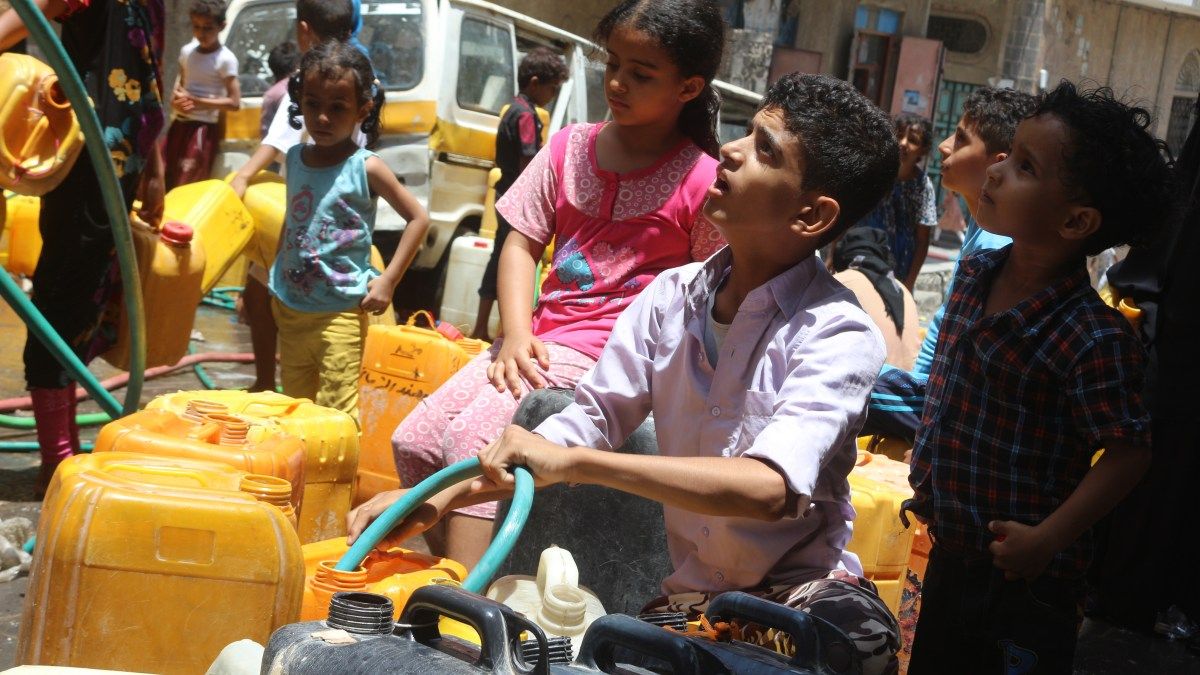
Al-Absi stated that the crisis worsened after the Houthis prevented safe drinking water from entering the city, save for limited quantities sold at elevated prices. Access to the al-Dhabab water basin, a major trucking source, has been restricted, leaving only about 8 percent of Taiz’s water needs met while local wells remain unfit for consumption. Stagnant water and uncollected waste have aggravated health risks, as diesel shortages prevent sanitation trucks from reaching the western landfill.