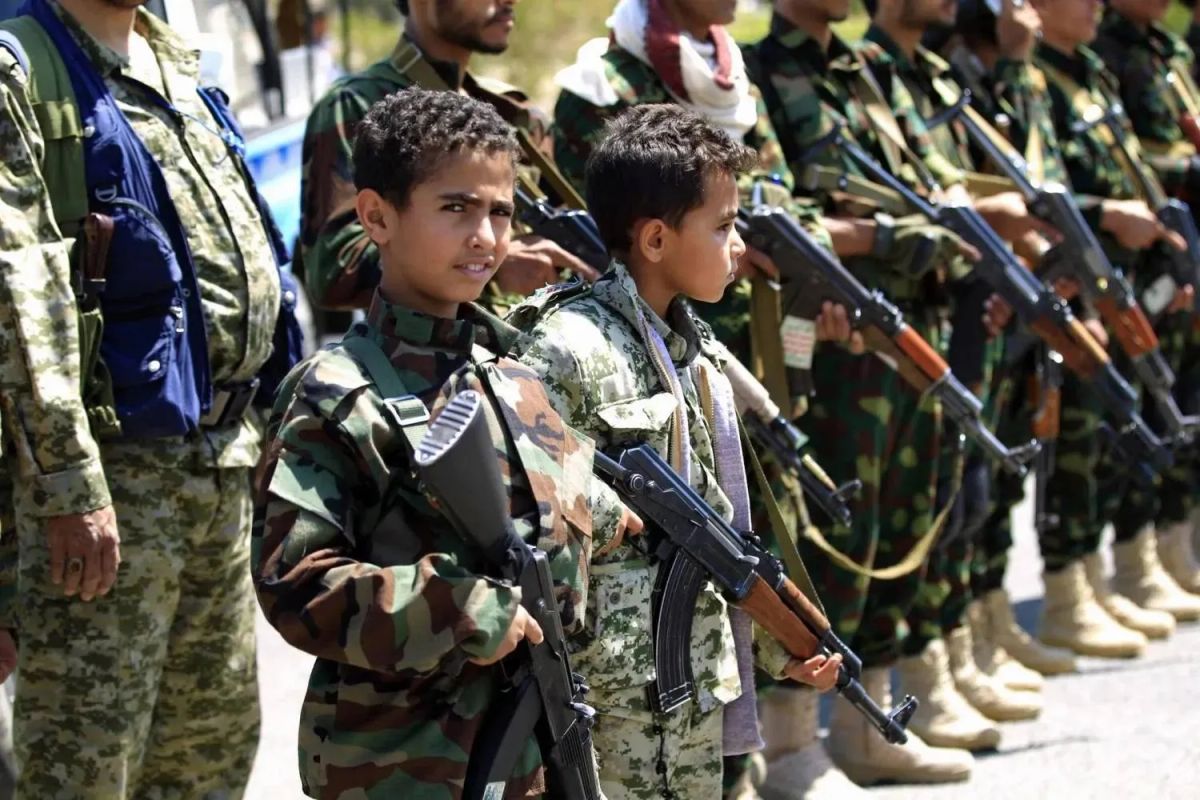
The Houthi movement threatened dozens of private schools in the Yemeni capital, Sanaa, with closures and financial penalties. School sources said the militia issued the warnings because administrators refused to pull students and teachers from classrooms to join rallies promoting military escalation and praising leader Abdul-Malik al-Houthi.
Authorities demanded that private institutions in Sanaa and surrounding areas stage at least three student marches every week. These events take place on school grounds and in nearby streets, cutting into classroom hours. Administrators in the Safiya, Sabeen, Azal, Wehda and Tahrir districts resisted the directives after parents threatened to withdraw their children.
Families voiced concern about the disruption of academic lessons and the use of educational institutions for political propaganda. One parent in Sanaa, speaking anonymously, said families feared the events would lead to children being sent to frontlines. "We can barely afford tuition and transportation, and now they want to turn our children into tools for their activities," the parent said.
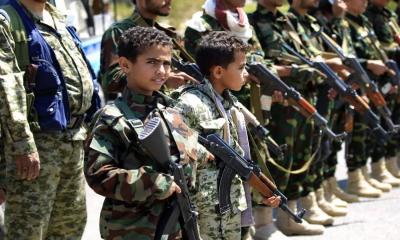
The education ministry within the unrecognized Houthi government responded to the pushback with threats of penalties. The militia has steadily increased mobilization efforts in public schools while intensifying military actions across several provinces. Human rights organisations and the United Nations have repeatedly warned against the ideological indoctrination and recruitment of children.
Educators reported that daily mobilization events are severely disrupting core academic subjects. A teacher in the Azal district stated that staff members who refuse to participate or make students chant militia slogans face disciplinary action. The Houthis routinely use annual school license renewals as a pressure tactic to force compliance.
A private school principal in central Sanaa condemned the use of license renewals for political coercion. He said institutions are trapped between Houthi closure threats and parents removing students, placing the education of hundreds of children at risk. Private schools experienced rising enrollment during the war as families left deteriorating public facilities and avoided teacher strikes, but they now face strict ideological scrutiny and financial levies.
This mounting pressure threatens to worsen the collapse of education in Houthi-controlled territories. The militia has refused to pay salaries to roughly 170,000 teachers and school employees since 2016, despite collecting billions of Yemeni rials in taxes and annual fees from educational institutions.