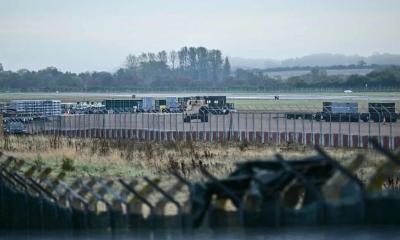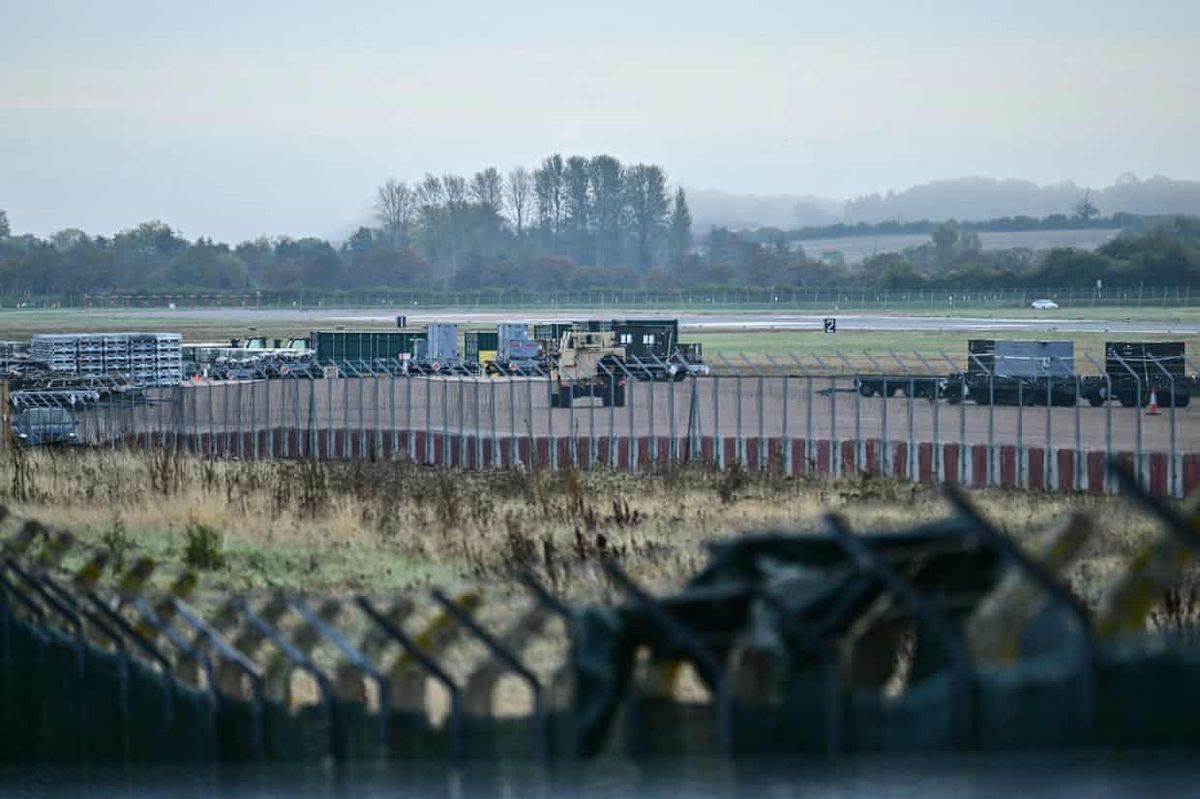
Federal prosecutors in the United States said on Tuesday that an imprisoned Iranian operative directed a foiled attack plan against a British air force base hosting American bombers. The target was RAF Fairford in Gloucestershire, which serves as the European home for US Air Force bombers.
A new indictment revealed that Mohammad Dawood al-Saadi plotted the strike while already in custody in New York. A dual national of Iran and Iraq, he allegedly transmitted instructions using coded messages during phone calls to his family.
The messages were passed to Mohsen Mohajeri, an operative of Iran’s Islamic Revolutionary Guard Corps, and another Iranian national named Mohammad Ali al-Hassani. Court documents show al-Saadi maintained ties to Kata’ib Hezbollah and the Islamic Revolutionary Guard Corps.
Prosecutors stated that al-Saadi organised the operation as retribution for the US war in Iran. The southern district of New York noted that he already faced charges regarding alleged links to 18 terrorist attacks in Europe and a separate plot to bomb a synagogue in New York.
Court filings detailed how al-Hassani directed other individuals to conduct surveillance on RAF Fairford. The conspirators also sought to procure vans, barrels of fuel, chemical accelerants, and metallic objects to use as shrapnel.
The plot unravelled on 27 September when a local farmer encountered vans blocking a road near the base while returning from a party. Five men from London were subsequently arrested in the nearby village of Whelford on suspicion of terrorism and explosives offences.
RAF Fairford was used by the US military during its bombing campaign against Iran. In July, the Islamic Revolutionary Guard Corps declared that any foreign bases used by Washington to strike Iran, explicitly naming Fairford, constituted legitimate targets.
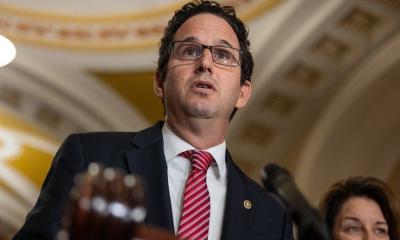
US Attorney Jamie McDonald described the network’s activities in a public statement. He said the defendants orchestrated a campaign of terror targeting Jewish communities in Europe and the United States alongside the British military installation housing American service members.
McDonald added that the suspects continued coordinating operations through a network of overseas associates even after al-Saadi was placed in federal custody. The case brings attention to ongoing international concerns regarding the security of military installations used by Western forces.