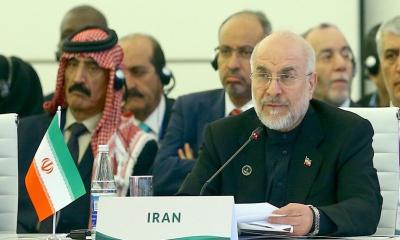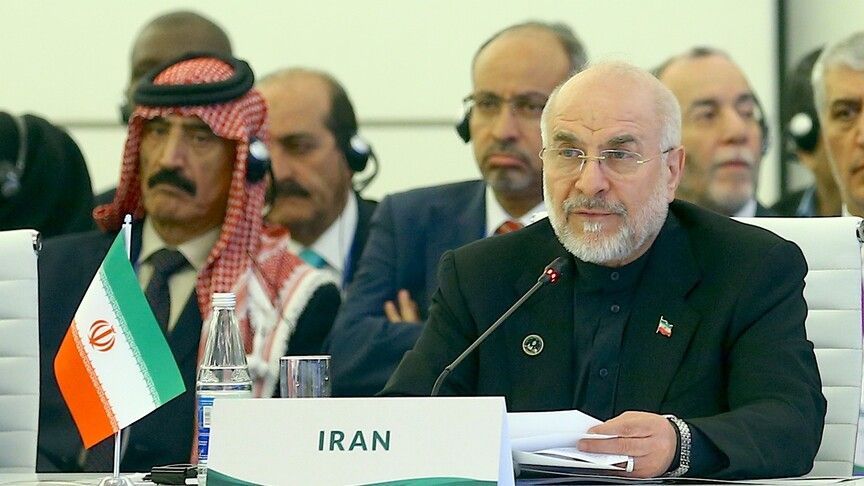
Iranian parliament speaker Mohammad Bagher Qalibaf stated on Tuesday that Beijing can help resolve Tehran’s prolonged conflict with Washington. He pointed to China as a vital actor in bringing an end to the state of neither war nor peace between Iran and the United States.
Writing in an article published on the website of Iran’s Supreme Leader Mojtaba Khamenei, Qalibaf emphasized Beijing’s potential role in regional diplomacy. China’s role in ending the war and the situation of neither war nor peace is significant, he said.
Qalibaf also serves as Tehran’s special representative for China affairs and heads the negotiating delegation with the United States. He noted that Beijing maintains relations with both Iran and Arab countries.
According to the Iranian official, these ties and Beijing’s diplomatic initiatives provide an opportunity to strengthen regional stability. He added that these efforts can help shape a new regional order.
The speaker revealed that the supreme leader issued detailed instructions concerning relations with China. These guidelines emphasized specific priorities rather than broad recommendations.
Tehran plans to establish a high-level steering and oversight body to monitor the implementation of cooperation with Beijing. Qalibaf explained that this committee will focus on strategic coordination and setting priorities.
The new body will also work to accelerate decisions and follow up on major cross-sectoral issues. It is not designed to replace the responsibilities of existing government institutions, he clarified.
Qalibaf stressed that partnership with China must go beyond ceremonial agreements. He encouraged the execution of concrete projects under the existing 25-year comprehensive cooperation agreement between the two nations.
These remarks emerged during ongoing efforts to end the war between Iran and the US. The military conflict began with US-Israeli attacks against Iran on February 28.
Tehran and Washington remain at odds on the conditions for a lasting settlement. Disagreements persist over sanctions relief, security guarantees, and arrangements concerning the Strait of Hormuz.