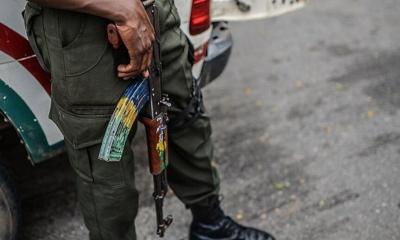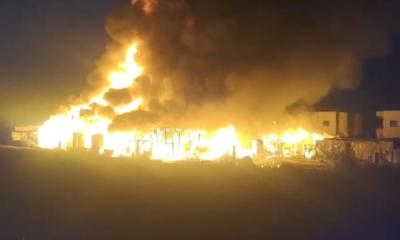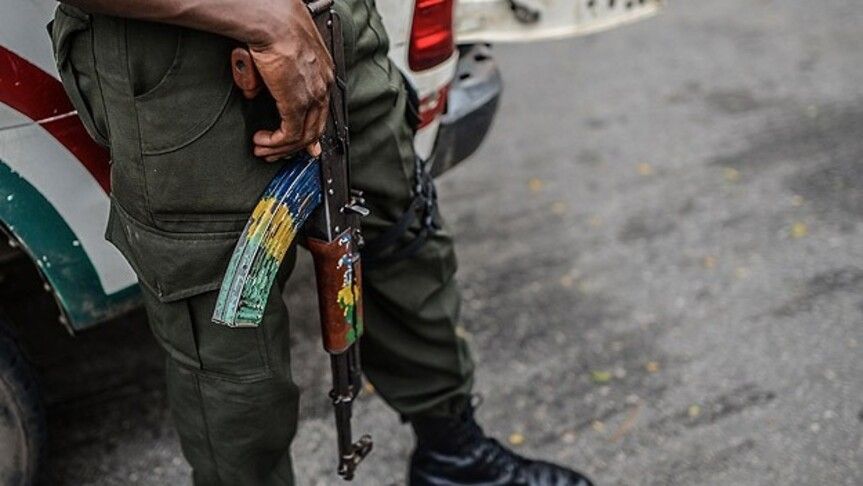
Nigerian security forces killed eight suspected terrorists and rescued 125 kidnapped victims during nationwide operations conducted between November 6 and 12. The Director of Defence Media Operations, Maj. Gen. Michael Onoja, released the details in a statement.
Twelve terrorists and members of their families also surrendered to the military during the week-long sweep. The largest rescue operation took place in northeastern Borno State when 119 travelers were freed after being abducted on November 6.
The mass abduction occurred along the Dutsen Kura-Bulazarma-Kamuya Road in Buratai, located within the Biu Local Government Area. Troops pursued the attackers along the Mangari-Dora Road, compelling them to abandon the captives.
The rescued group consisted of 69 men, 35 women and 15 children. Soldiers also discovered improvised explosive devices planted by the armed groups in the area.
In northwestern Zamfara State, soldiers rescued five kidnapped people during separate operations. Another three victims were freed following an attack on commuters along the Kombo-Gurusu Road in Bukkuyum Local Government Area.
The military stated that the driver abducted alongside the commuters on the Kombo-Gurusu Road was found dead. Troops also carried out raids in Bauchi, Plateau, Taraba, Benue, Nasarawa, Niger, Kwara and Oyo states.
During these regional operations, soldiers raided suspected hideouts, recovered weapons and ammunition, and dismantled camps used by armed groups. In Niger State, troops operating inside Kainji Lake National Park detonated five improvised explosive devices and repelled two attacks.
The security personnel killed two suspected terrorists during the engagement in Kainji Lake National Park. They also arrested several individuals suspected of collaborating with the armed groups.
These military actions took place as persistent insecurity continues to affect parts of Nigeria. Armed groups frequently carry out kidnappings, community raids and assaults on travelers.
Kidnapping for ransom is a major security challenge across the country, with highways and rural communities in the northern regions facing frequent targeting by criminal networks.