Bangladesh fed nuclear-generated electricity into the national grid for the first time on Tuesday, marking a major milestone for the South Asian nation’s energy sector. Md. Abdullah Al Mamun, a public relations officer at the Ministry of Science and Technology, confirmed the development to reporters.
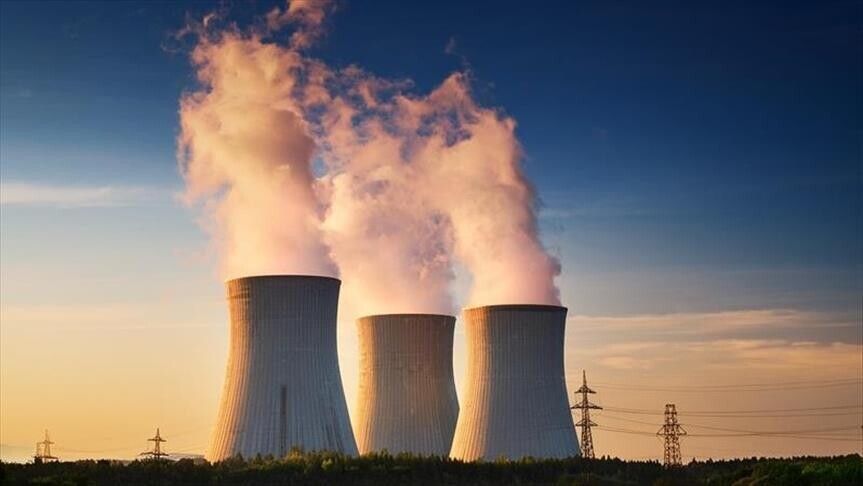
The initial trial supply delivered 350 megawatts of electricity from the first unit of the Rooppur Nuclear Power Plant. The facility stands roughly 160 kilometres from the capital city of Dhaka.
Construction on the massive project relies on financial and technical backing from Russia, stemming from a bilateral agreement signed in 2015.
Officials from the Bangladesh Atomic Energy Commission outlined the testing schedule in an official statement. Power generated during this initial trial phase flows into the national grid for periods lasting between eight and 10 hours.
Engineers then implement a break of approximately 28 hours. Following this pause, the plant reconnects to the grid for another four to six hours to carry out essential technical and operational evaluations.
The regulatory body stated that the first unit will transition to full-scale commercial electricity supply once a 10-month trial period concludes successfully, as outlined in the contract with the Russian builder. Russia’s state nuclear corporation, Rosatom, provides ongoing technical support for the operation of the facility.
The first shipment of nuclear fuel arrived in the country in 2023. Progress on the installation experienced delays due to local political instability and broader global conditions.
The two units at the Rooppur site boast a combined generation capacity of 2,400 megawatts. The total cost of the two-unit infrastructure project reaches approximately $12.65 billion, funded largely through loans provided by Russia.