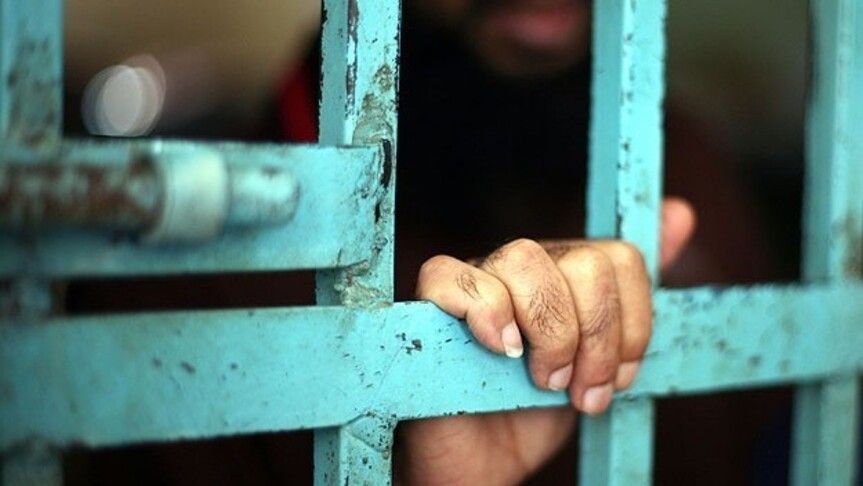
Roughly 80 percent of Palestinian detainees held in Israeli prisons suffer from scabies, an advocacy group reported. Legal teams gathered the findings during visits to dozens of prisoners in October and early November.
Severe clothing shortages and extreme overcrowding fueled the spread of the disease. Prisoners also received inadequate medical treatment from facility authorities.
Accounts from detainees pointed to a systematic policy of abuse, starvation, and medical neglect across the prison system. Special units from the Israel Prison Service entered prison wings accompanied by dogs.
Detainees told lawyers that officers used rubber-coated bullets and unidentified weapons during these operations. Some individuals reported burns, while others stated they were temporarily unable to move after being struck. Beatings left many prisoners with broken teeth, fractured ribs, and heavy bruising.
The frequency of raids varied by facility, with some wings targeted every two or three days. The advocacy group presented testimonies from Negev Prison in southern Israel to reflect broader conditions.
The organisation used initials to protect the identities of the detainees. Many prisoners feared speaking out after guards severely beat individuals who were being taken to legal visits.
A detainee identified as A.B. Stated that he suffered severed tendons in his hand during a raid and required surgery. Another detainee, M.K., said several of his teeth were broken during an assault.
The lawyer visiting M.K. Observed that the detainee appeared visibly afraid while describing the incident. Detainees were barred during the visit from signing the powers of attorney needed to pursue their legal cases.
Prison authorities deliberately removed mattresses during the day, forcing detainees to sit on the floor or on bare metal bunks. A detainee named M.S. Said the practice created severe hardships for sick and older individuals, particularly those with bone or limb ailments.
Women held at Damon Prison in northern Israel faced similar conditions of starvation, systematic repression, searches, and mistreatment. The society stated that authorities used access to health care and basic items needed by women as a means of humiliation. Prison officials denied that the women had scabies, attributing the symptoms to allergies despite post-release medical tests confirming the disease.
More than 9,300 Palestinians are held in Israeli prisons, including around 90 women.