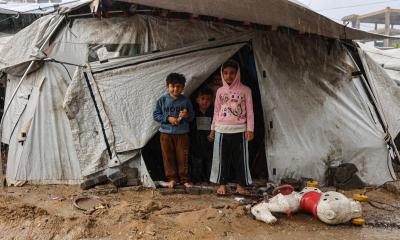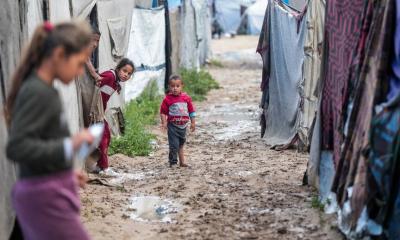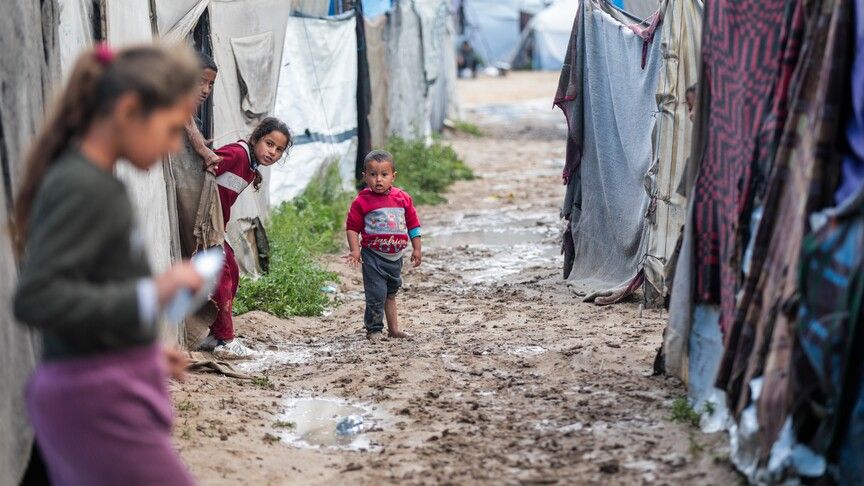
Recent severe weather across the Gaza Strip created a nightmare scenario for hundreds of thousands of displaced people, according to the UN Office for the Coordination of Humanitarian Affairs. Jens Laerke, spokesperson for OCHA, told reporters in Geneva that the tragedy is only beginning. He pointed to more rainfall, rising floodwaters and the growing risk of drinking water becoming contaminated with sewage in the coming weeks and months.
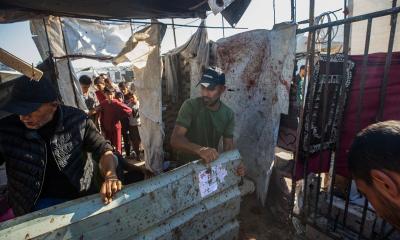
An infant reportedly drowned in the floodwater. Three children and two women were killed when a sandy hill collapsed onto tents near the Al Berka Reservoir. Residents and aid organisations have searched for other victims.
The UN children’s agency UNICEF warned that an estimated 950,000 displaced Palestinians live in areas exposed to flooding. This figure includes 400,000 individuals in locations facing extremely high risk, with nearly half of them children. Around 1.7 million displaced people remain in tents, makeshift shelters or damaged buildings that leave them vulnerable to cold weather and structural collapse.
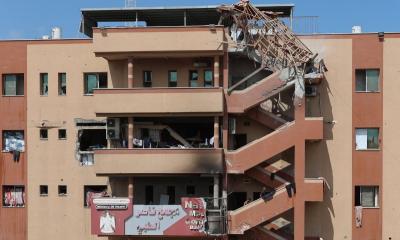
Damage has been reported to more than 40,000 family shelters, over 900 latrines and nine health facilities. Despite the scale of the emergency, assistance has reached about 750 households, comprising roughly 4,500 people. This aid included tents, blankets, mattresses and hygiene kits.
Laerke stated that the flooding was not unforeseen. Humanitarian organisations spent months warning Israeli authorities about the need to bring additional tents and emergency supplies into Gaza. Approximately 150,000 tents already purchased for displaced Palestinians remain outside the territory, with most stored in Egypt due to ongoing restrictions.
Military restrictions have left Palestinians confined to less than half of Gaza’s territory. This prevents humanitarian agencies from moving families to higher ground. OCHA warned that restrictions on access beyond the yellow line have left most land inaccessible.
Laerke questioned the rationale for blocking essential shelter items under dual-use classifications. He said it is difficult to explain to families whose tents washed away that they cannot receive replacements because authorities believe they might be used for weapons.
Heavy machinery and water pumps remain urgently needed to clear drainage channels and remove floodwater from low-lying areas. Existing pumps also lack necessary spare parts and engine oil. UNICEF reported that no wastewater treatment plant in Gaza is operational, and approval to repair the Sheikh Radwan stormwater basin has been sought for over a year.
Financial pressures are threatening relief operations as the year ends. OCHA’s $4 billion humanitarian appeal for the occupied Palestinian territory is only 35 percent funded. Laerke said money is running out while procured aid remains blocked outside the territory.