Doumoua al-Baitan watched the sunset from the roof of a building in Beirut on Friday. Born and raised in the Bourj el-Barajneh Palestinian refugee camp, she has witnessed decades of reliance on the United Nations Relief and Works Agency.
Funding cuts have severely restricted UNRWA operations. The US administration decided in February 2025 to maintain a funding freeze imposed the previous year, triggering widespread financial shortages.
UNRWA has been forced to close facilities or reduce operating hours across Palestinian camps in Lebanon. Schools, healthcare centres, and clinics have all scaled back their services.
"My kids cannot retain what they are taught in class," al-Baitan said. The divorced mother of four explained that overcrowding in classrooms forced her to spend $200 per month on after-school lessons for two of her children, matching the cost of her monthly rent.
Lebanon hosts approximately 230,000 Palestinian refugees spread across 12 camps, with many tracing their displacement back to the 1948 Nakba. Most Palestinians in Lebanon lack citizenship and face bans from professions such as medicine, law, engineering, and pharmacy.
Fadi al-Tayyar, an UNRWA spokesperson, stated in October that the agency needed between $70m and $80m more for 2026. This shortfall forced a 20 percent reduction in service working hours starting in February.
Numerous schools shortened their academic week from five days to four for the 2026-27 school year. Over 35,000 pupils attend 58 schools, alongside 15 additional classrooms in the Beddawi camp in Tripoli. Residents in Bourj el-Barajneh reported that most camp schools had closed, leaving students packed into classes of 40 or more.
Healthcare services faced similar reductions. An UNRWA emergency report from June showed that only 15 out of 26 primary healthcare centres and clinics remained operational, with 11 shut down.
Other vulnerabilities affect thousands of refugees. Between 3,000 and 5,000 Palestinian refugees in Lebanon remain undocumented, while an estimated 19,000 refugees fled from Syria during the war there. A Lebanese policy change in May 2024 halted residency renewals for many Palestinians from Syria, increasing risks of detention and employment barriers.
Aid workers reported that worsening economic conditions and service cuts drove a rise in crime and drug use within the camps. "There is a very tired economic situation and there is no work," said Fadi Abu Halawa, security officer at the Jafra Foundation in Beirut.
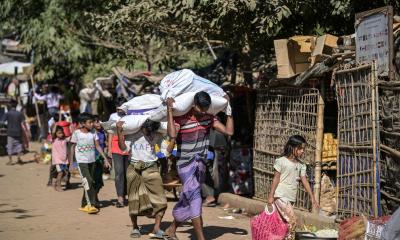
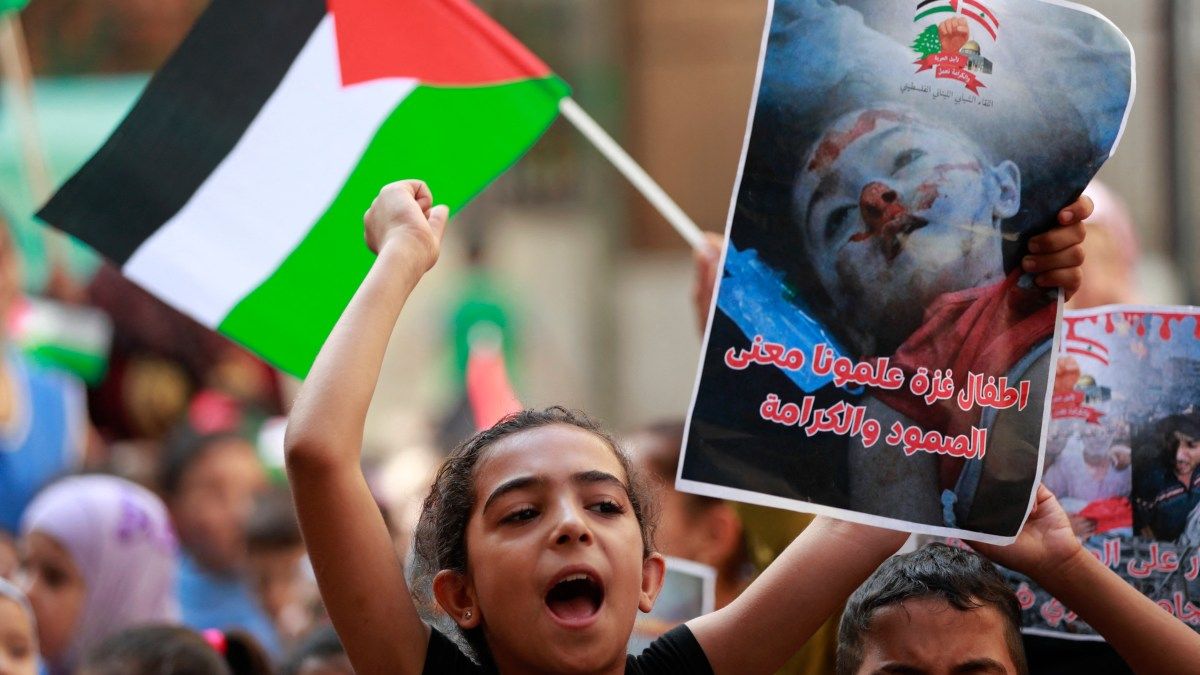
Refugees have organized protests against the cuts, including a sit-in scheduled in Shatila camp. Recent distributions of five-kilogram bags of flour by UNRWA drew widespread dissatisfaction from residents who said the amount failed to meet household needs.
Military escalation in southern Lebanon has affected five camps located in that region. Israeli attacks in February killed 12 people across Lebanon, including two in Ein el-Hilweh, the country’s largest Palestinian camp near Sidon.