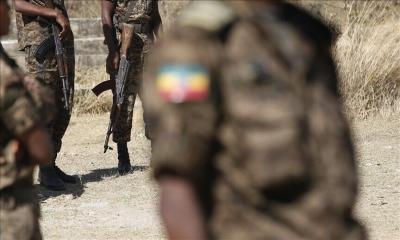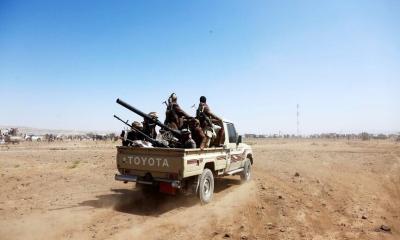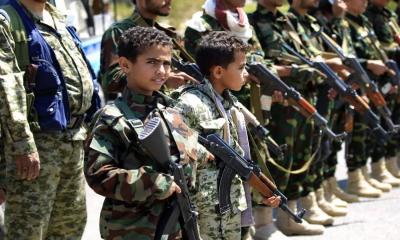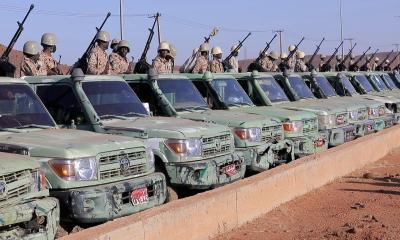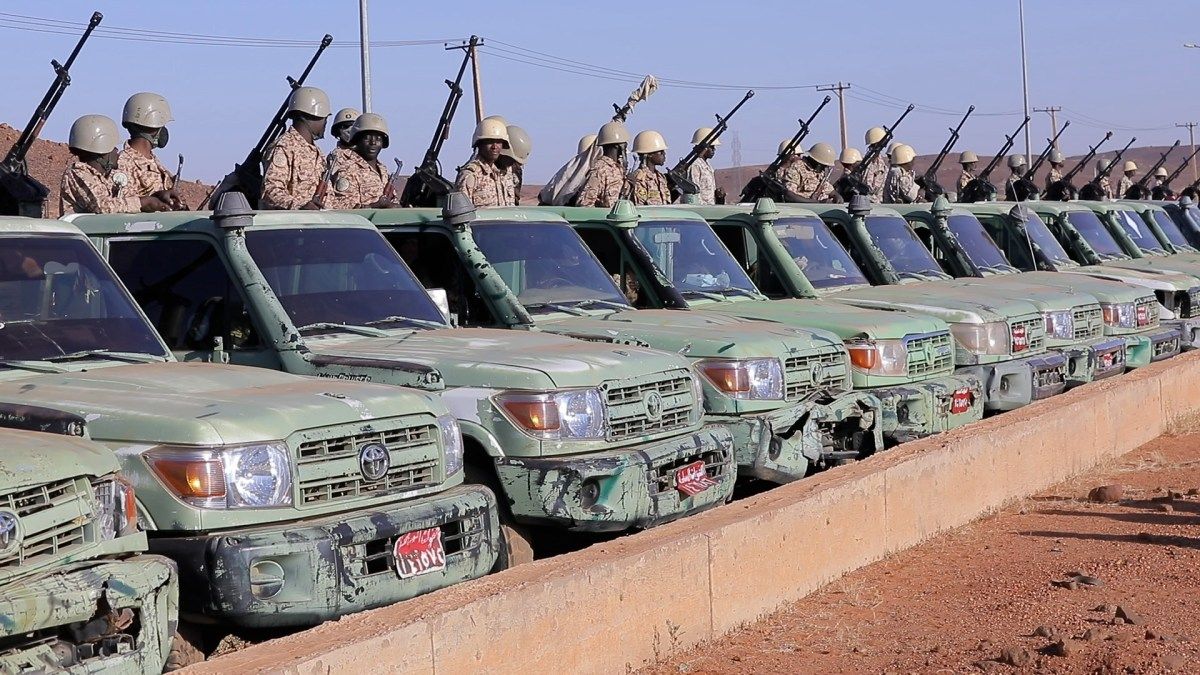
The Sudanese Armed Forces gained control over several important villages and localities in West Kordofan on Friday. The army took control of al-Khuwai, local media reported. This is one of the main towns in West Kordofan and a vital site in the campaign in the resource-rich state.
The offensive by the army and allied Darfur forces has broken the paramilitary siege on al-Obeid, the capital of North Kordofan. It has also opened up new routes for the military in central and southwest Sudan, paving the way for advances in South Kordofan toward Babnusa and North Darfur. This includes a road linking al-Nuhud, the site of gold mines, and al-Khuwai.
The Rapid Support Forces, alongside its allies in the Sudan People’s Liberation Movement-North led by Abdelaziz Al-Hilu, still holds al-Nuhud and parts of South Kordofan. Recent defeats in southern and western Sudan could weaken the paramilitary’s ability to coopt tribal groups. Mohamed Ali, an independent Sudanese analyst, stated that the shift from attack to defence will alter the military composition of the paramilitary force.
The Kordofan region is not a social stronghold for the Rapid Support Forces, and analysts expect the group to withdraw to Darfur. This movement would give the army a strategic advantage in Kordofan and could make Darfur the new centre of the conflict. The paramilitary’s main social and tribal support base lies among Arab communities of south and east Darfur, including areas around Nyala and el-Daein, along with border regions.
Mohiedeen Mohamed, an expert on Sudanese military affairs, said the paramilitary has relied on mobilising tribes and civilians in areas under its control when attacked from multiple fronts. But this coalition is vulnerable. Several tribal and local groups defected from the Rapid Support Forces in recent weeks as the army gained ground. These alliances were driven by military and political necessity rather than deep-rooted social integration.
A power struggle between General Abdel Fattah al-Burhan, head of the armed forces, and Mohamed Hamdan Dagalo, leader of the paramilitary, emerged after the downfall of former President Omar al-Bashir in 2019. This struggle developed into a nationwide conflict in April 2023. The fighting has resulted in about 150,000 deaths and displaced more than 14 million people out of Sudan’s 53 million population.
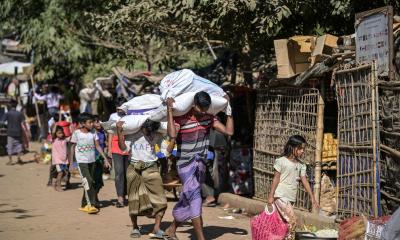
After military successes in Khartoum, fighting has focused on Darfur and Kordofan. The United Nations has identified Kordofan as the centre of the conflict, stating that fighting complicates an already dire humanitarian situation. About 4.5 million civilians have fled to Chad, Egypt, South Sudan, and other neighbouring countries.
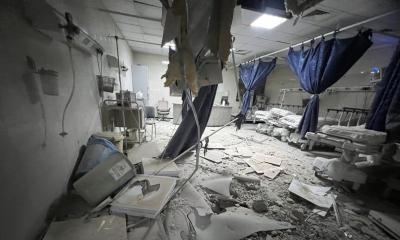
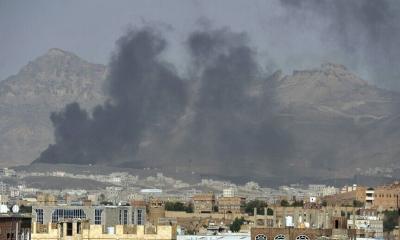
Civilians continue to pay the highest price in the war, facing drone attacks targeting homes, schools, health facilities, and power and water plants. About 160 people were killed in drone attacks over several days in October in western regions. While both sides have faced accusations of using drones, analysts view the paramilitary’s use as part of a strategy of intimidation and economic disruption.
Most humanitarian assistance operations in the region have halted due to the security situation. Omer Yousif, a 55-year-old aid delivery driver for an organisation called Tasami, said travelling through Kordofan has become extremely dangerous. He was captured last August by the militia and beaten, while some of his colleagues were tortured and killed. He said that restoring the region to the army could improve aid delivery to both Kordofan and Darfur.
Al-Rasheed Mohamed, a military expert, said the army offensive appears to have successfully consolidated gains in central Sudan and opened a new route towards Darfur. The objective is reclaiming control of the entire country and restoring sovereignty. Control of Kordofan also brings economic and strategic benefits, as the region is rich in agricultural products such as sesame seeds and groundnuts.