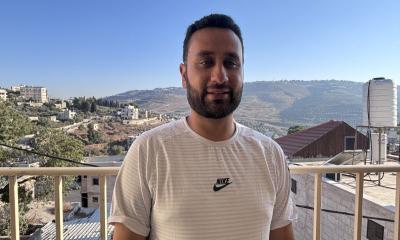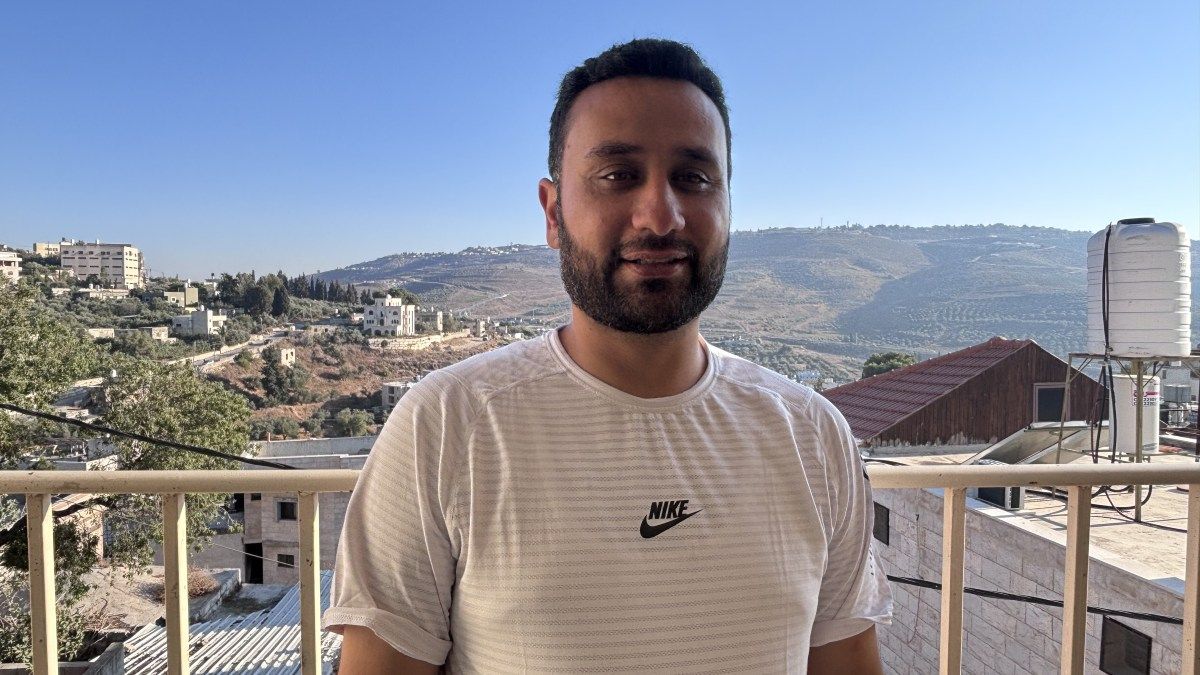
An Israeli military court has upheld a four-month administrative detention order against Palestinian land activist and farmer Ghassan Najjar. Najjar appeared at Ofer Military Court on Monday after soldiers arrested him during a pre-dawn raid on Burin village, south of Nablus in the occupied West Bank, on October 27.
Israeli authorities have not provided any official reason for the arrest. Administrative detention permits the state to hold individuals without charge or trial. Najjar has spent nearly a decade in Israeli prisons, mostly under administrative detention, and has faced a travel ban since 2011.
The Institute for Middle East Understanding stated that authorities arrested Najjar because he intended to harvest olives on his own land and planned to assist other Palestinian farmers. Shin Bet warned Najjar that he faced arrest if he continued organising with grassroots groups and Western activists.
Attacks by Israeli settlers targeting the West Bank olive harvest have surged this year. The United Nations and other international bodies have repeatedly urged Israel to ensure the safety of Palestinian farmers and grant them secure access to their agricultural land.
B’Tselem stated that the absence of legal proceedings leaves detainees helpless. Following the confirmation by the military court, Najjar will remain imprisoned at Ofer Prison until at least February 26. A military court will review his case before that term expires to decide on a possible extension.
Suha Najjar, the activist’s sister, described the ruling as an unjust decision. She expressed deep upset that her brother faces such a great injustice without any charges brought against him. She also voiced concern that the detention could be renewed once the initial four-month period ends.
Amnesty International demanded the immediate release of Najjar earlier this month, accusing Israel of detaining him solely for his peaceful activism protecting the olive harvest in Burin. The organisation also drew parallels to other detainees, including Ayman Bani Owda, stating they are targeted by a discriminatory justice system.
Suha Najjar spoke about the anxiety her family experiences due to visitation bans. Relatives are barred from visiting or seeing him, leaving them without information regarding his physical or psychological condition. She added that awareness of the cruel methods used against Palestinian prisoners increases family fears for his safety and wellbeing.
Amnesty International has urged foreign states possessing influence over Israel to apply pressure for the release of Ghassan Najjar and all other arbitrarily detained Palestinians. The group also called for an end to the deployment of administrative detention.