Jehad Jarbou survived beneath the rubble of her family home in northern Gaza after an Israeli strike hit the building in November 2023. The bombardment killed her father and her eldest brother. It spared Jarbou, her mother, and her younger brother.
The strike also destroyed her art supplies and roughly eight years of creative work. She told reporters that she lost not only family members but also her home, memories, and artistic archive under the rubble.
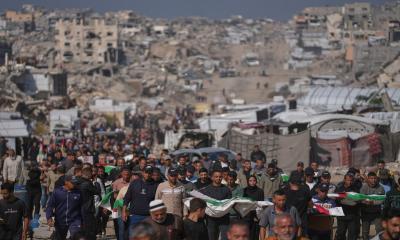
Surviving that strike marked the beginning of repeated displacement that offered neither safety nor shelter. Jarbou recalled weeping as she left northern Gaza, looking back at the ruins of her home without knowing where she and her remaining family would go.
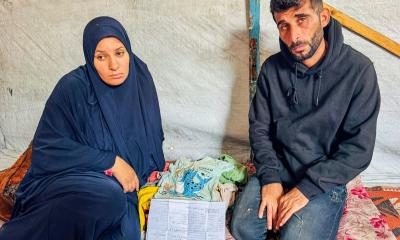
She now shares a tent in Gaza City with her husband, their baby son Adam, her mother, and her younger brother. Food, clean water, and privacy are scarce in the camp.
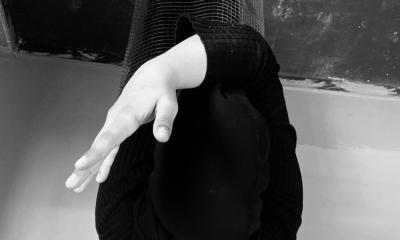
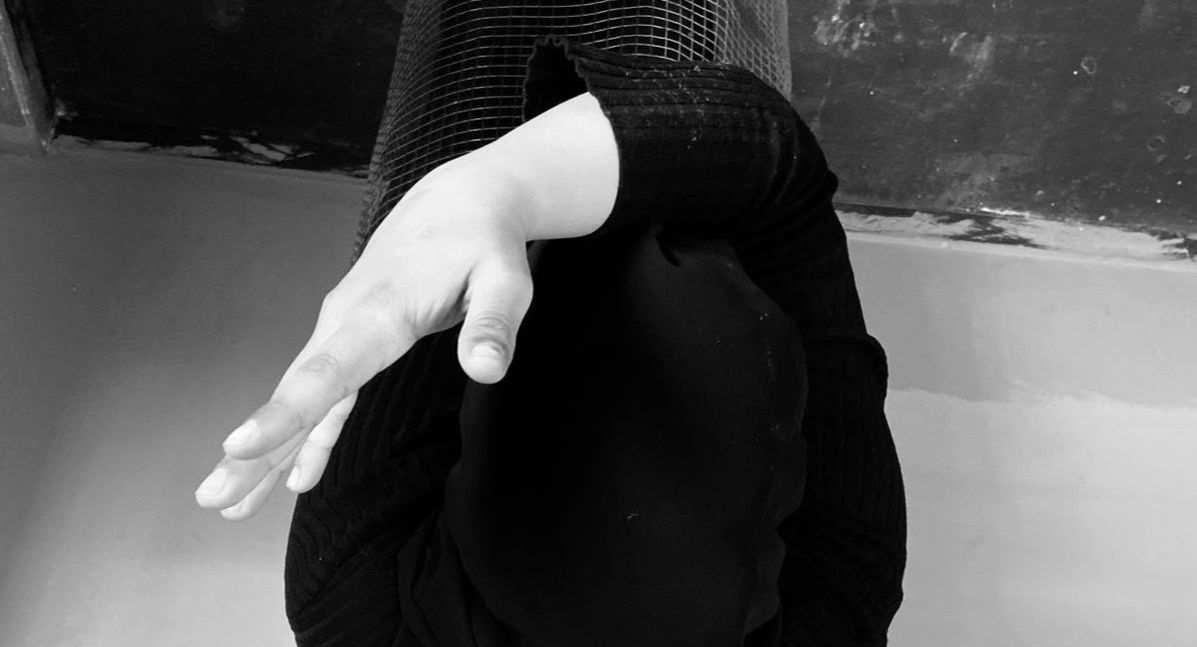
Despite these conditions, Jarbou continues to create art using what is left: her body, her memories, and the daily reality around her. She said she sometimes feels she makes art out of life itself, drawing from fear, the tent, the rubble, her child, and the small things that signal hope.
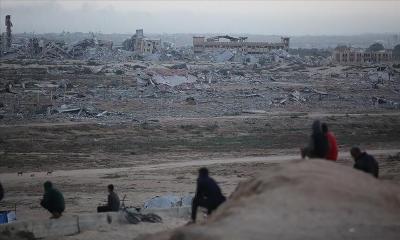
Winter has made protecting that fragile life difficult as heavy rains flood makeshift camps across Gaza. The downpours soak bedding, ruin belongings, and damage shelters that were already worn down by repeated displacement.
United Nations figures show that more than 26,000 households have been affected by flooding since November 6. More than 6,000 family shelters were destroyed and another 17,400 damaged during the same period.
The storms have also worsened dangers outside the camps, where damaged buildings collapse and floodwaters expose unexploded ordnance beneath debris. Nearly one million people live in flood-prone areas, including about 400,000 in locations classified by the World Health Organization as extremely high risk.
For Jarbou, daily shortages are measured in missing essentials, including milk for Adam, food for herself, and clean water. She described periods of living in a street tent surrounded by insects and rats, consuming contaminated food and unclean water simply to stay alive.
Growing up in the Al-Saftawi area of northern Gaza, Jarbou studied fine arts and began working professionally about eight years ago, focusing on conceptual photography. She uses her body as a tool, a witness, and a memory to explore women’s freedom, fear, and survival during war.