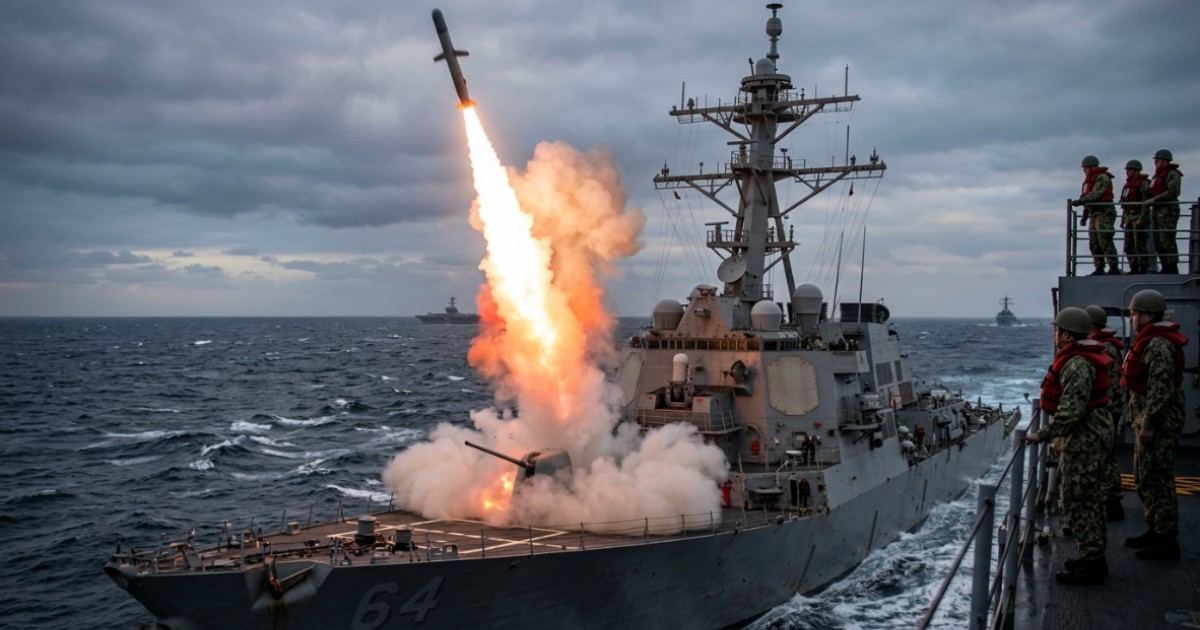
The conflict between the United States and Iran has escalated significantly over the past week, renewing concerns regarding the state of American weapons stockpiles. As President Donald Trump prepares to address a defense summit at the US Army War College in Pennsylvania, analysts are closely scrutinizing the impact of the ongoing war on US military readiness. According to reports from Al Jazeera and Reuters, the high intensity of the conflict has forced the US to expend a significant portion of its critical munitions inventory since the hostilities reignited in February 2026.
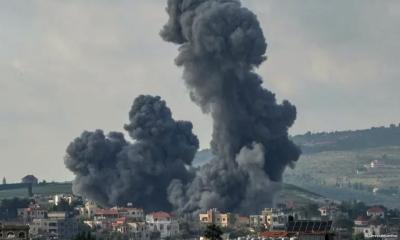
Following a brief ceasefire earlier this year, the US Central Command launched heavy waves of attacks on Iranian military sites last Wednesday. The military campaign, which has continued for several nights, has targeted bridges, railway tracks, and other infrastructure, with Washington claiming the goal is to degrade Tehran’s military capabilities. Iran has retaliated with strikes on US military assets across Bahrain, Oman, Qatar, and Kuwait. While President Trump has threatened further destruction of Iranian infrastructure if negotiations fail, international observers have raised concerns regarding the targeting of civilian sites.
Analysis provided by the Center for Strategic and International Studies (CSIS) indicates that the 39-day conflict period between February and April resulted in the US striking over 13,000 targets. The reliance on high-precision weaponry, including Tomahawk missiles, Joint Air-to-Surface Standoff Missiles (JASSM), and Patriot systems, has put immense pressure on existing inventories. Estimates suggest that more than half of the stockpiles for at least four critical munition types have been depleted. Replenishing these supplies is a time-consuming process that could take months or even years, raising questions about the US military’s ability to respond to future threats, particularly in the Indo-Pacific region.
Despite the heavy expenditure, Washington maintains that its current supplies have not reached a critical point of failure. However, the political implications of the conflict are becoming increasingly visible at home. Recent polling data suggests that the war remains unpopular among Americans, particularly as citizens grapple with a high cost of living. President Trump’s recent remarks on Fox News, threatening to disable Iranian power plants and infrastructure unless a diplomatic resolution is reached, underscore the combative nature of current US policy.
At the recent NATO leaders’ summit, the US administration declared the previous pact with Iran over, although officials maintained that back-channel negotiations are still a possibility. Meanwhile, the reinstatement of naval blockades and fresh economic sanctions have heightened the stakes. The ongoing cycle of retaliation has created a volatile regional environment. As the conflict persists, the US faces a complex dilemma: continuing the military campaign threatens to further exhaust the national arsenal, yet stopping now could be perceived as a strategic setback. For now, the administration continues to balance military objectives with the realities of weapon sustainability and domestic political pressure.