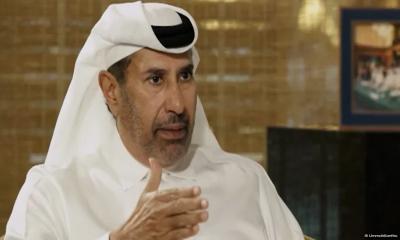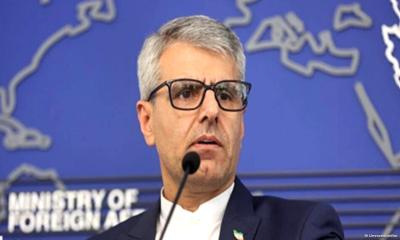
Professor Mostafa Khoshcheshm, a prominent academic at Iran`s University of Applied Science and Technology, has accused the United States of using diplomatic negotiations as a smokescreen to prepare for military action. In an interview with Al Jazeera on Monday, May 11, 2026, Khoshcheshm argued that the Biden administration—and the looming influence of Donald Trump`s strategic posture—is not sincere about reaching a peaceful resolution. He suggested that Washington is deliberately stalling the process to gain strategic advantages that it has failed to achieve through years of direct pressure and economic sanctions.
According to Khoshcheshm, the conditions set forth by Washington for a renewed diplomatic framework are entirely unrealistic. He told the network that the United States is attempting to utilize the negotiation table to extract concessions that are impossible for Tehran to grant. In his view, the U.S. side is not serious about a grand bargain; rather, it is simply wasting time to reposition its assets and prepare for a potential escalation. Khoshcheshm’s comments reflect a growing sense of frustration within Iranian academic and political circles regarding the current deadlock in international relations.
The professor maintained that Iran has never abandoned the diplomatic path and has remained present at the negotiating table throughout the various phases of the crisis. However, he emphasized that the "door to negotiations has been closed by the United States." He characterized the current American approach as one that is devoid of sincerity and effectiveness, creating a vacuum where trust is non-existent. This lack of movement, he warned, could lead the region back into a cycle of violence that benefits no one but those seeking a broader regional conflict.
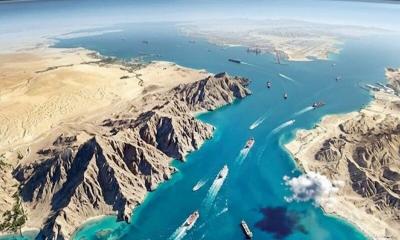
Khoshcheshm also issued a stern warning regarding Iran’s military readiness. He stated that the Islamic Republic is prepared to return to a wartime footing if forced and possesses the capability to deliver a "crushing response" to any aggression. Citing recent skirmishes and tensions in the Persian Gulf, the professor noted that Iran’s forces are on high alert and ready to respond with full strength to any provocation. He suggested that the U.S. should not mistake Iran`s willingness to talk for a sign of weakness or a lack of defensive resolve.
The implications of Khoshcheshm’s analysis are significant as the global community watches the deteriorating relationship between Tehran and Washington. International analysts suggest that these statements indicate a hardening of positions within the Iranian establishment. If the diplomatic channel is truly perceived as a dead end by Tehran, the likelihood of strategic miscalculations in the Persian Gulf increases significantly. Khoshcheshm concluded that unless the United States alters its current trajectory and demonstrates genuine intent, the path toward a permanent peace will remain obstructed by the very power claiming to pursue it.
Do you believe that the recent escalations in the Persian Gulf make a diplomatic breakthrough between the US and Iran more or less likely in the coming months?