The 2026 FIFA World Cup represents a watershed moment for football in the Middle East and North Africa (MENA) region. With a record-breaking eight teams representing the region, the tournament has become a focal point for unprecedented optimism. As reported by Al Jazeera, the participants—Algeria, Egypt, Iraq, Jordan, Morocco, Qatar, Saudi Arabia, and Tunisia—carry the hopes of millions into North America. This surge in participation is not merely statistical; it follows the path forged by Morocco at the 2022 World Cup in Qatar, where their historic semifinal appearance fundamentally shifted the perception of what Arab nations can achieve on the global stage.
Algeria makes its return to the grandest stage with a mixture of excitement and caution. The Desert Warriors, having missed out on Qatar 2022, are looking to reassert their dominance. Boasting an attack featuring the creative prowess of Riyad Mahrez alongside rising stars like Mohamed Amoura and Adil Boulbina, Algeria’s offensive capability is undeniable. However, their campaign hinges on defensive stability. Head coach Vladimir Petkovic has been working to resolve inconsistencies at the back and address uncertainty in the goalkeeping department. Drawn into a challenging Group J alongside the defending champions, Argentina, as well as Austria and newcomers Jordan, Algeria’s progression will depend on their ability to execute a tactical masterclass in their opening matches.
Egypt, meanwhile, faces a unique narrative as they enter the tournament. Despite being a juggernaut in the Africa Cup of Nations with seven titles, the Pharaohs are still searching for their first-ever victory at a World Cup. This ongoing conundrum is a source of intense focus for their supporters. While many other nations in the group are aiming for deep tournament runs, the Egyptian camp views a group-stage win as a primary milestone. Their squad remains technically gifted, combining years of international experience with the physical resilience required to withstand the pressures of such a high-stakes environment. Egypt’s ability to transition quickly from defense to attack could prove to be their strongest weapon in overcoming this historic barrier.
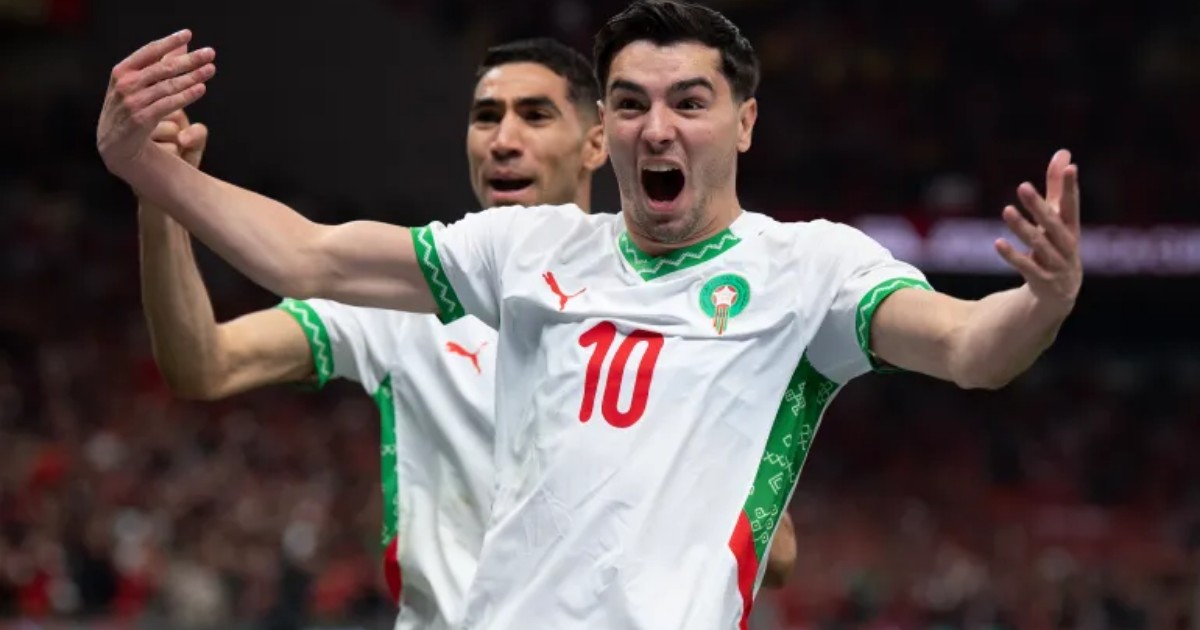
The broader MENA contingent brings diverse tactical approaches and varying degrees of tournament experience. Morocco remains the standard-bearer, with their recent success in 2022 providing a blueprint for how to compete with the world`s elite. Their disciplined structure and ability to perform under pressure have made them a respected entity in global football. Saudi Arabia and Qatar, having invested heavily in their domestic structures and international training programs, are also positioned to challenge established hierarchies. Meanwhile, the participation of nations like Iraq and Jordan adds a layer of unpredictability to the tournament, as these teams look to showcase their growth on the world’s biggest stage.
Logistical challenges will undoubtedly play a role, as players adjust to the vast distances and varying conditions across the United States, Mexico, and Canada. The tournament demands not only technical skill but also significant physical and mental endurance. For the eight MENA teams, this is a chance to prove that the regional rise in football quality is sustained and deliberate rather than a flash in the pan. The collective success of these nations would serve as a powerful validation of the talent pool present across the region.
Ultimately, the 2026 World Cup serves as more than just a series of matches; it is an opportunity for these eight nations to rewrite their footballing histories. Whether it is Algeria finding the defensive balance needed to support their lethal attack, or Egypt finally securing that elusive maiden victory, every match will carry significant weight. As the tournament commences, the world will be watching to see if this unprecedented regional representation translates into success, potentially heralding a new era of Arab and North African influence in international football.