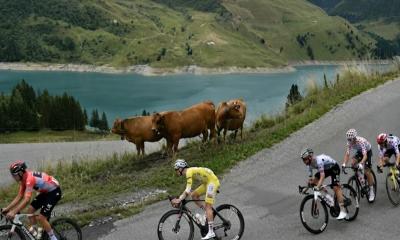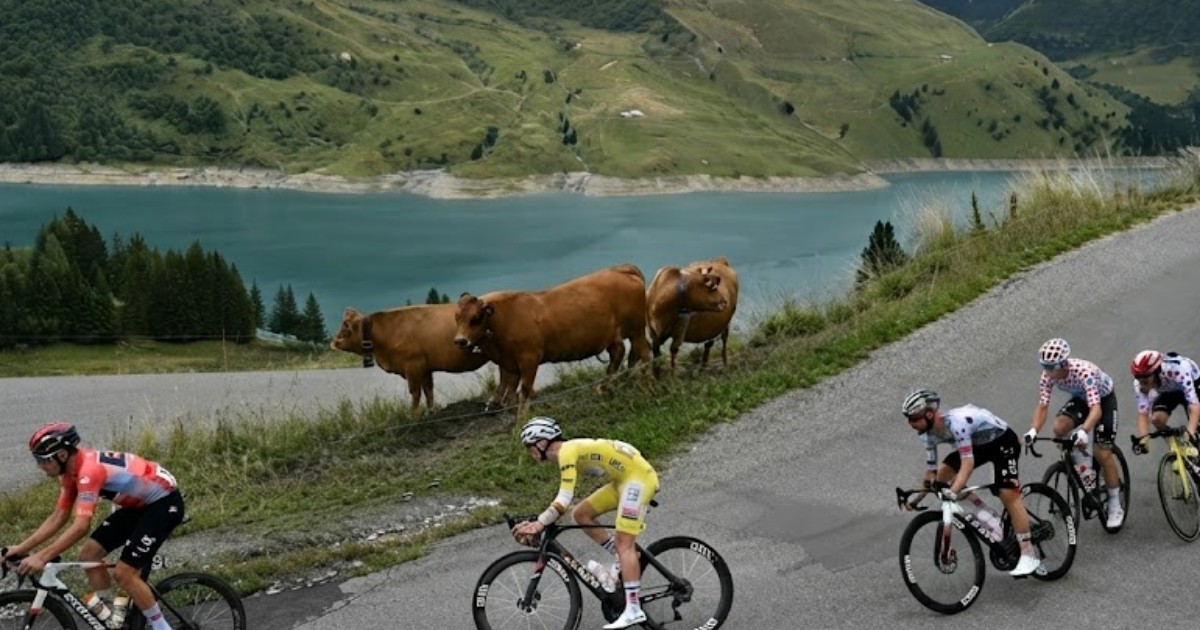
Regarded as one of the toughest endurance events in professional athletics, the Tour de France is far more than a mere test of physical stamina. According to the BBC and Getty Images, the iconic multi-stage cycling competition functions as a cerebral battleground where strategy, game theory, and psychological endurance dictate the outcome of every stage. Often described as chess on wheels, the race requires riders and team directors to calculate risks and incentives constantly.
While the coveted yellow jersey remains the ultimate prize for the overall winner, the race features multiple classifications that shape rider behavior. Professional cycling teams rely heavily on financial backing from corporate sponsors who expect maximum visibility across global television broadcasts. This commercial incentive often drives teams to launch daring breakaways from the main peloton, even when the mathematical odds of maintaining a solo lead to the finish line appear remarkably slim.
Physics and aerodynamics play a critical role in determining how these tactical moves unfold. Riders cycling at high speeds experience significant air resistance, forcing competitors to rotate positions within a large group to share the exhausting physical burden of cutting through the air. Lone escapees or small breakaway groups face severe headwinds, making it exceptionally difficult to stay ahead of the chasing peloton unless specific cooperative dynamics and terrain advantages align in their favor.
As stages near their conclusion, the initial cooperation among breakaway riders frequently dissolves into individual competition as athletes conserve energy for the final sprint. This complex interplay of team incentives, aerodynamic science, and strategic gameplay explains why the Tour de France continues to captivate millions of viewers worldwide as both a physical spectacle and a masterclass in tactical calculation.