The International Committee of the Red Cross warned on Friday that it will soon be too late to put the genie back in the bottle regarding autonomous weapons. The warning followed a week-long conference in Geneva where more than 120 member states of the UN Convention on Certain Conventional Weapons concluded their meetings.
Despite mounting pressure from international bodies, an agreement to discuss an instrument regulating autonomous weapons over the next two years fell short of urgent action. Rights groups argued that faster measures are necessary to address the growing threat.
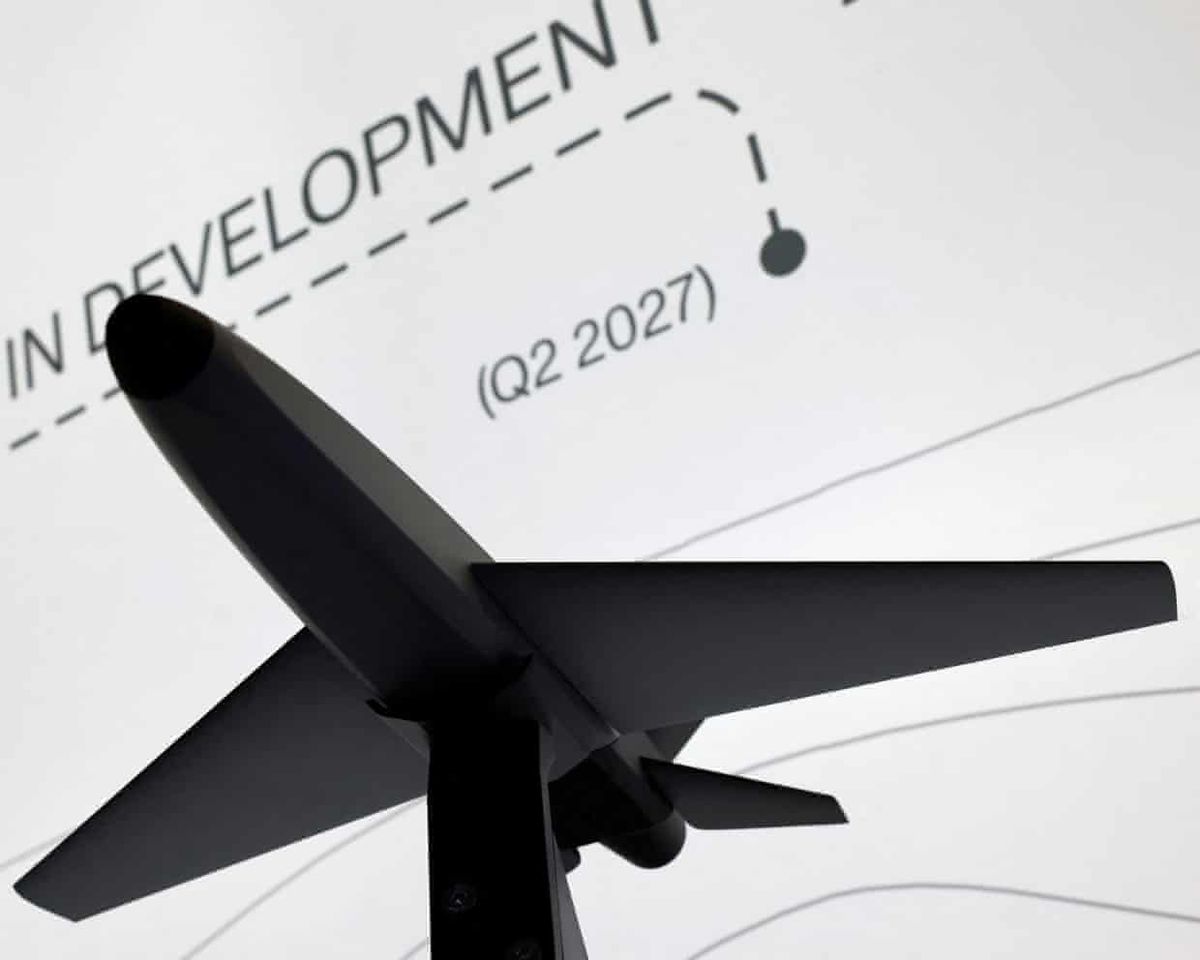
Autonomous weapons are military systems that operate without human supervision, typically using artificial intelligence or robotics. As artificial intelligence grows exponentially, militaries and manufacturers have developed advanced offensive and defensive systems.
Dr Cordula Droege, the director of international law, movement and partnerships at the ICRC, spoke about the deployment of these technologies. She said that artificial intelligence is already being fielded on the battlefield in weapon systems and that leaving them unregulated will make control nearly impossible.
Current military applications include the Israeli military using AI in Gaza to generate target banks. In the Ukraine and Russia war, militaries have deployed semi-autonomous drones with last-mile capability where artificial intelligence takes over during the final approach to a target.
UN Secretary General António Guterres and ICRC President Mirjana Spoljaric Egger have both called for a legally binding instrument containing clear prohibitions and restrictions. The ICRC specifically wants a ban on autonomous weapons targeting personnel, requirements for predictable behavior, and strict limits restricting use to military objectives.
Experts warned that failing to create adequate regulations could cause dangerous repercussions given the rapid pace of development. Other human rights organizations cautioned that delays allow private industry and militaries to establish the norms for autonomous weapon usage.
Civilians have already suffered harm from these systems. In July, a Russian drone guided by an AI system struck a wall instead of a petrol station in Zaporizhzhia in south-eastern Ukraine, killing three civilians in a blast of shrapnel.
In Gaza, Israel used AI-assisted targeting to build target banks faster than human operators could manage. Human rights groups reported that this method resulted in the erroneous killings of civilians and individuals with only tenuous links to militant groups.
A US strike in Iran hit an elementary school, killing 156 civilians including 120 schoolchildren, reportedly due to faulty intelligence gathered by AI systems. Armed Islamist groups in the Sahel region of Africa have reportedly used AI tools for operational planning and to improve drone ballistics.
A senior diplomat familiar with the UN discussions commented on the lack of progress. The diplomat stated that the primary issue is whether political will is finally present to take regulation seriously after thirteen years of debate.