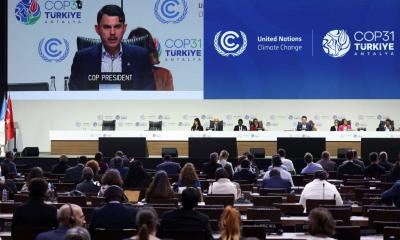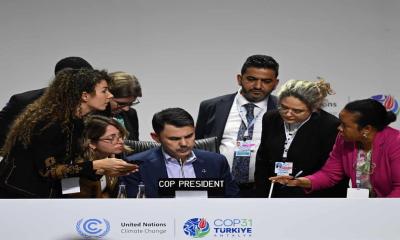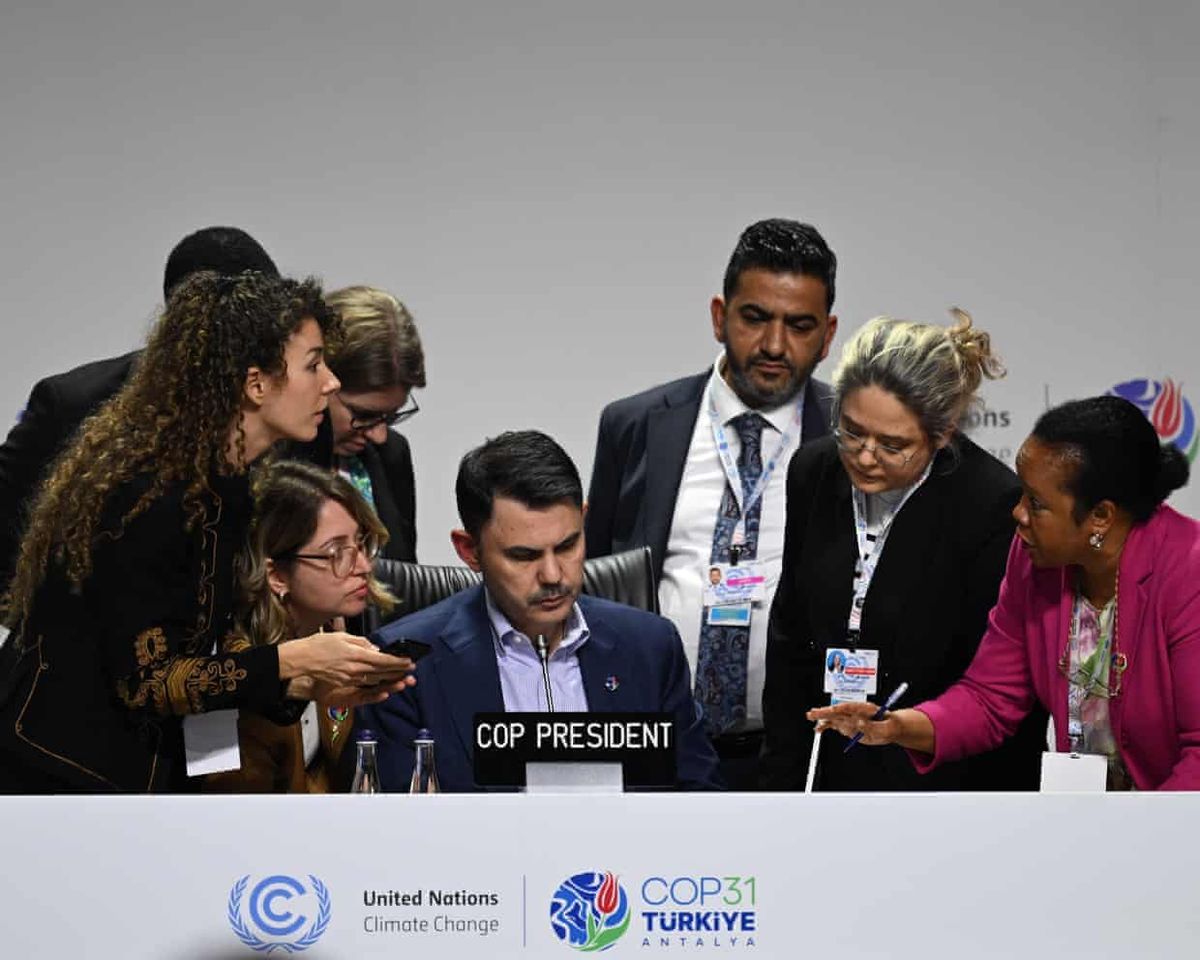
The Cop31 UN climate summit in Turkey broke down on Sunday. The European Union, the UK and developing world allies rejected a draft deal on the future of the climate after the proposed Antalya pact omitted any mention of fossil fuels and failed to achieve the consensus needed to pass.
Darragh O’Brien, Ireland’s environment minister speaking on behalf of the EU, told delegates that the proposal failed to meet the moment. He said they would not endorse a decision that risked deepening the chasm between global commitments and required action, as it did not even mention fossil fuels.
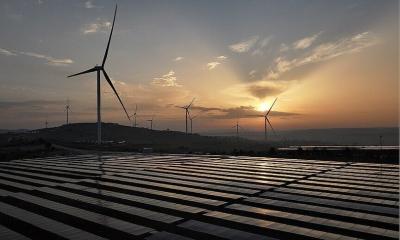
The talks were scheduled to end on Friday but dragged on through the weekend. The Antalya pact, drafted by the Turkish and Australian joint presidencies, invited countries to electrify their economies and called on rich nations to provide finance to poorer countries to help them adapt to climate impacts. It also asked nations to minimise the overshoot of the 1.5C global heating threshold of the Paris agreement.
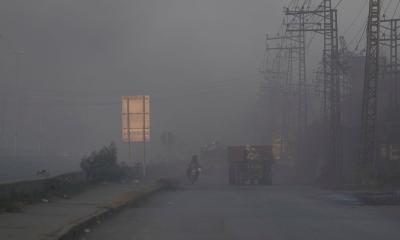
However, the text failed to endorse the transition away from fossil fuels demanded by more than 130 countries. It included controversial provisions on carbon capture and storage technology that campaigners argued perpetuates fossil fuels.
Murat Kurum, Turkey’s Cop president, acknowledged there was no agreement on the draft cover decision text and confirmed it had not been adopted. He told the hall that they had done their utmost and did not impose the text or issue a take it or leave it ultimatum, recognising that parties opposed the document.
The presidencies avoided an outright collapse of the conference by passing decisions on related matters, including a just transition to help workers in high-carbon industries shift to a low-carbon economy. Yet many countries, including small island states and poorest nations, stated they could not support the main outcome.
O’Brien stated that the EU would not accept a decision that greenwashes fossil fuels, saying fossil fuels are the key driver of climate change. His intervention drew applause from the hall and was followed by similar objections from Panama, the Marshall Islands and Norway.
Saudi Arabia defended the inclusion of carbon capture and storage in the text. Other nations, including China, Pakistan and the Africa group, did not object to the deal despite holding reservations.
Close to 200 countries had been meeting in Antalya for a fortnight under the joint presidencies of Turkey and Australia. The overrunning negotiations were marked by long periods of deadlock as countries failed to find common ground.
Civil society groups declared the gathering the worst Cop ever. Mohamed Adow, director of the thinktank Power Shift Africa, said the EU could not wash its hands of the wreckage. He argued that for countries facing failed harvests, destroyed homes and mounting debt, the outcome amounts to abandonment by wealthy nations most responsible for the crisis.
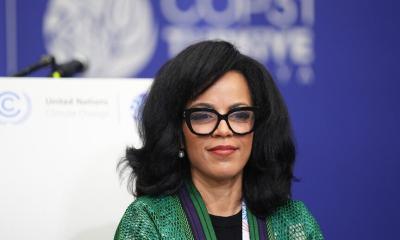
Mary Robinson, a former president of Ireland and former UN climate envoy, expressed frustration at the slow speed of negotiations. She stated that there was no sense of urgency to address the issues and that co-presidents had not stepped up to provide leadership.