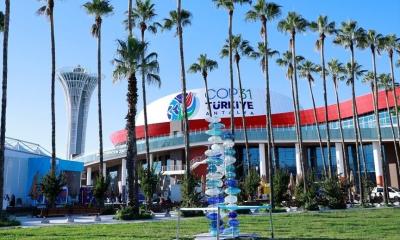
The announcement took place on Tuesday during an event held within the Blue Zone at the COP31 UN climate summit in Antalya. Attendees focused on boosting climate resilience, financing adaptation initiatives, and gathering public and private investment.
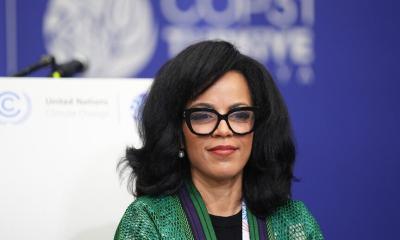
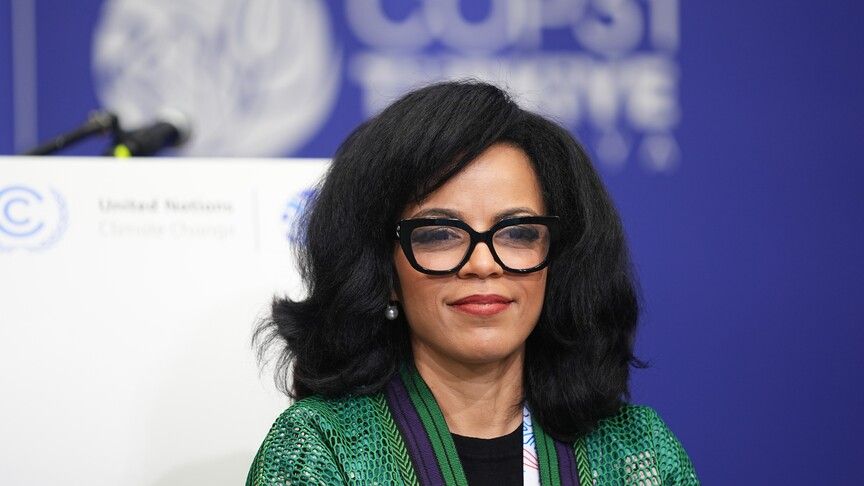
Tariye Gbadegesin, chief executive officer of the Climate Investment Funds, addressed participants during the session. She stated that global weather shifts damage lives, livelihoods, and economic futures, making greater funding for adaptation essential.
Gbadegesin revealed that forty percent of the initiative’s total budget will go directly to the private sector. These investments will run through partnerships established with six multilateral development banks.
Gbadegesin noted heavy competition for the funds as seventy nations submitted applications for the program.
"Seventy countries applied," Gbadegesin told the audience. "Even the top 25 applications alone represent a portfolio of projects worth $700 million that are ready for urgent investment."
Financial backing from Germany, Ireland, and Spain will fund the initial phase of the program. This support targets Bangladesh, Haiti, Kyrgyzstan, Morocco, and Sierra Leone, along with a joint regional project for Mozambique and Malawi.
Individual countries will secure $30 million each from the fund. The joint regional initiative for Mozambique and Malawi will receive $40 million.
Bangladesh will direct its share toward fortifying coastal infrastructure and advancing climate-smart farming techniques. Haiti plans to use its allocation for coastal defense and the restoration of local mangroves.
Kyrgyzstan will apply the funds to bolster climate resilience across its agricultural and water systems. Morocco intends to channel support into water security, renewable energy desalination plants, and wastewater reuse operations.
Sierra Leone will dedicate its resources to coastal defense and mangrove ecosystem revival. Meanwhile, the Mozambique and Malawi regional project targets the protection of critical economic zones from droughts, floods, and cyclones, while drawing in private sector capital.