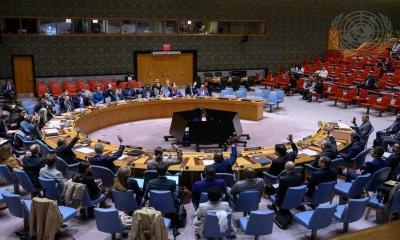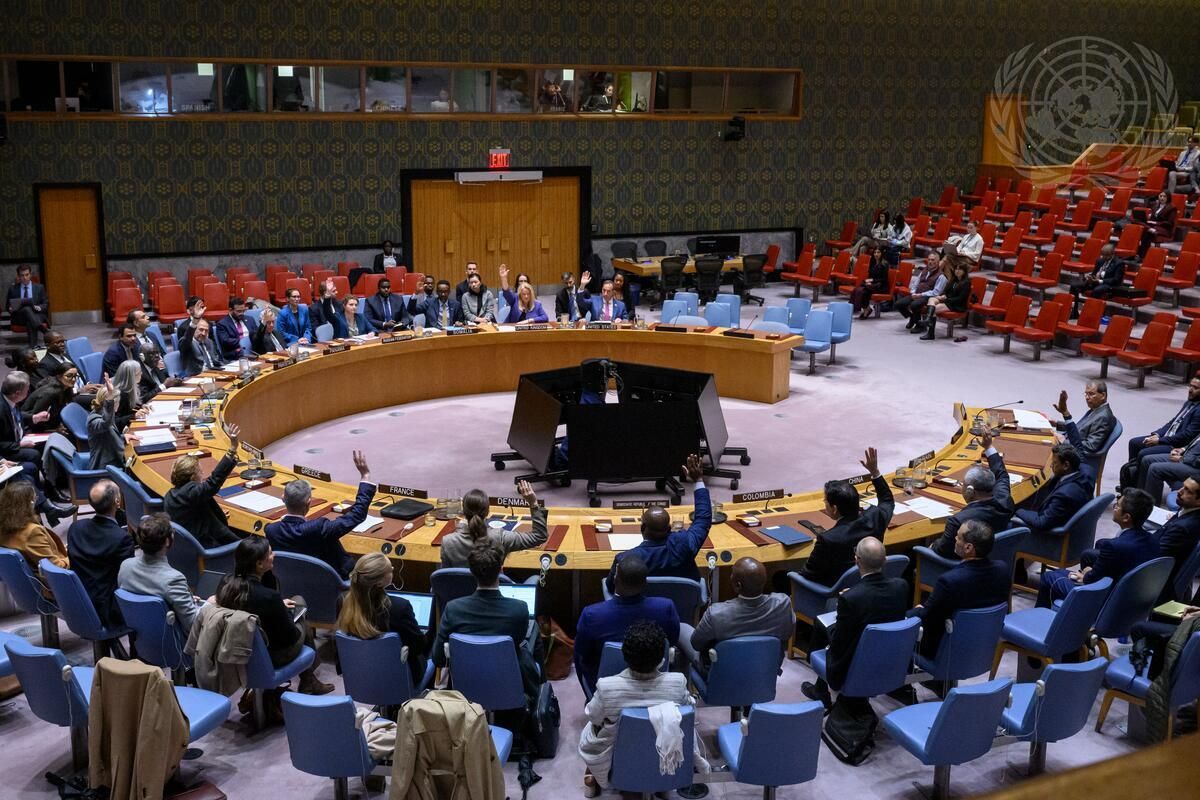
The United Nations Security Council adopted a resolution on Thursday to renew sanctions on Yemen. Members agreed by consensus to target supplies of dual-use components and chemicals used by the Houthi militia to manufacture drones and missiles.
The measure condemned the group’s military offensive inside Yemen, cross-border attacks on Saudi Arabia, and threats to commercial shipping. It demanded that the Houthis immediately halt these actions.
The council extended a targeted asset freeze and travel ban on members of the militia until November 14, 2027. It also renewed the mandate of the panel of experts monitoring the sanctions until December 15, 2027. An arms embargo imposed under a previous 2015 resolution has no specified end date.
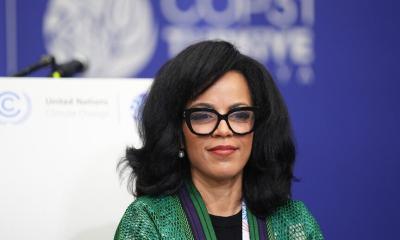
Sarah MacIntosh, the UK’s permanent representative to the UN, addressed the council after the adoption. Britain serves as the council’s penholder on Yemen.
"Today’s adoption by consensus demonstrates this council’s determination to take decisive action against reckless attacks by the Houthis in Yemen and against the Kingdom of Saudi Arabia and the broader region," MacIntosh told the chamber. She added that London stands in solidarity with the governments of Yemen and Saudi Arabia, reaffirming their right to defend security and sovereignty under international law.
UN monitors have found that the militia maintains its arsenal through smuggling and by diverting commercially available parts. This reliance on dual-use items and precursor chemicals allows the group to produce attack drones locally and reduces its dependence on outside support.
The council intends to decide by January 11 what specific steps member states should take to prevent the Houthis from acquiring restricted items, based on a list compiled by the expert panel. The resolution also directed the panel to track revenues earned by the Houthis from key economic sectors in Yemen and recommend ways to prevent funds from being diverted to military use.
The text reaffirmed that the arbitrary detention of UN, diplomatic, and humanitarian personnel could serve as grounds for further sanctions. This addition followed the death in Houthi custody of Mohammad El-Shami, a Yemeni employee of the UN Human Rights Office who had been arbitrarily detained since June 2024.
Negotiations among council members were difficult before the final text was agreed. The United Kingdom attempted to include language labeling the Houthis as a terrorist group, but dropped the effort after Russia objected that it would hinder political talks. China and Russia also pushed back against the list of dual-use items and the expansion of the expert panel, while references to Houthi links with Al-Shabaab in Somalia were removed following objections from African members.
Yemen’s ambassador to the UN, Abdullah Al-Saadi, welcomed the condemnation of the Houthis but expressed regret that the council could not agree on naming them directly. He accused the militia of using starvation as a means of war and called for the lifting of the long-running siege on the city of Taiz.
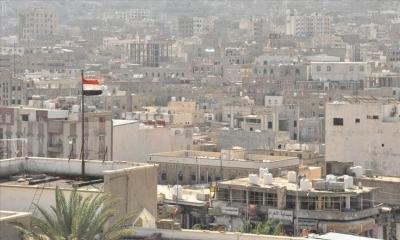
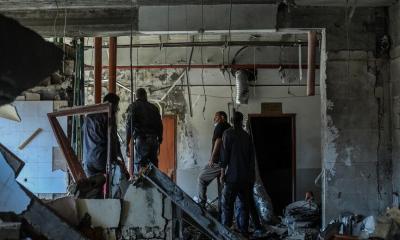
The vote coincided with a recent reignition of the war in Yemen. The Iran-backed Houthis launched an offensive in early September, seizing the strategic Red Sea port of Mokha after fighting with government forces and securing control over Yemen’s entire Red Sea coastline.
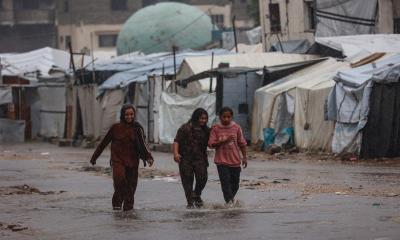
MacIntosh said that more than 22.3 million Yemenis currently require humanitarian aid, with over 330,000 displaced by recent fighting. Al-Saadi stated that the true importance of the resolution will depend on its implementation on the ground and the council’s ability to curb the flow of weapons.