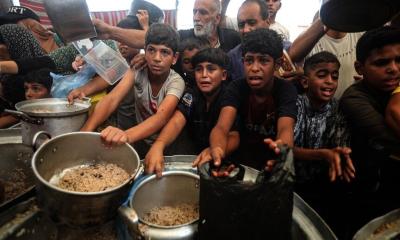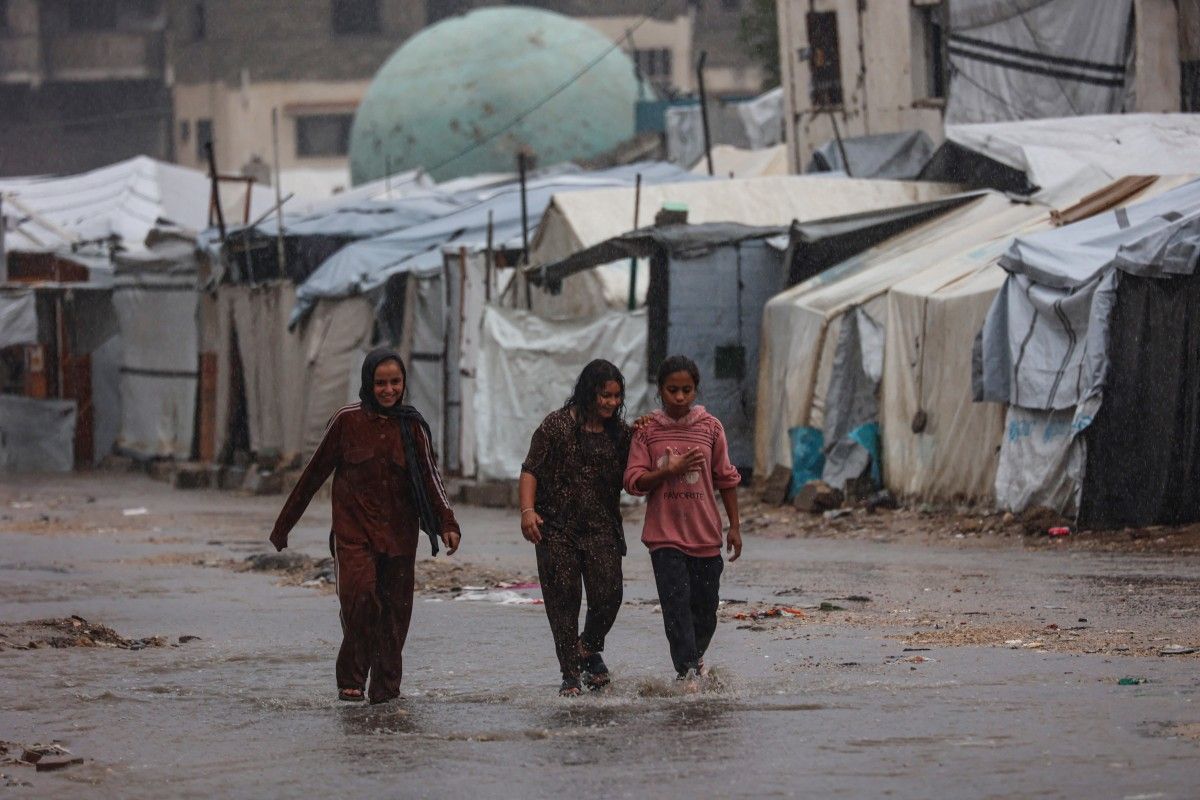
The United Nations called on Thursday for all crossings into the Gaza Strip to open immediately. The demand comes alongside an appeal for scaled-up humanitarian mobilization to cope with severe winter needs.
Tom Fletcher, the UN Under-Secretary-General for Humanitarian Affairs and Emergency Relief Coordinator, stated that the organization has warned for months about the urgent necessity to deliver winter supplies. He released his remarks in a statement on the social media platform X.
Fletcher noted that several foreign ministers and international partners have reaffirmed their support. He cautioned, however, that progress might face limitations pending the Israeli elections.
He stressed that delaying action until a new government takes shape is unacceptable under international humanitarian law. Fletcher outlined a clear plan already in place to bring essential supplies into the enclave.
The proposed shipments include durable shelter materials, warm clothing, blankets, and safe heating equipment. They also feature fuel, generators, and pumps designed to remove floodwater, clear rubble, and dispose of unexploded ordnance.
Fletcher warned that many hazards could be prevented through adequate shelter, suitable tents, and winter supplies. He also cited the need for access to open areas less vulnerable to flooding.
The relief chief demanded the opening of all border crossings and urged authorities to permit key nongovernmental organisations to operate. He called for an end to what he described as collective punishment and urged full funding for the winter response plan.
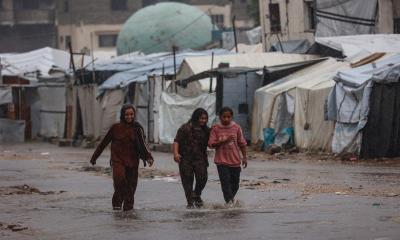
Initial UN estimates indicate that over 200,000 people in Gaza have suffered the impact of recent rains and flooding. These individuals urgently require humanitarian assistance.
Flooding has already caused several deaths across the territory. It has also damaged shelters belonging to more than 40,000 families.
On Thursday, Israeli naval forces opened fire on Palestinian fishermen off the coast of Deir Al-Balah in central Gaza. Troops detained several fishermen and transported them out to sea.
Preliminary reports indicate that Israeli forces threw five of the fishermen into the sea following interrogations aboard a military vessel. Other fishermen remain detained on the boat, and their exact whereabouts and fate are unknown.