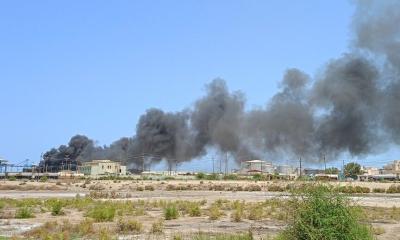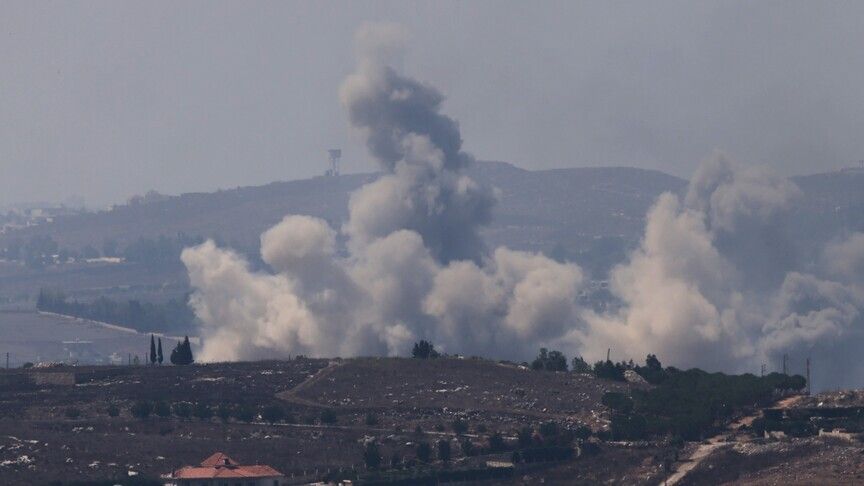
Nearly a quarter of Lebanon’s agricultural land has suffered damage during the Israeli war, according to the country’s agriculture minister. Around 52,000 hectares of the affected land sit within the south and Nabatieh governorates, while another 4,000 hectares lie in the eastern Baalbek-Hermel governorate.
The destruction extended beyond crops to include cattle, sheep, goats, and beekeeping. Lebanon lost more than 30,000 beehives and roughly 70% of the livestock in the south, while large areas planted with tobacco and olive trees also sustained damage. Southern Lebanon serves as a major production region, accounting for 90% of the country’s banana output and 70% of its citrus production.
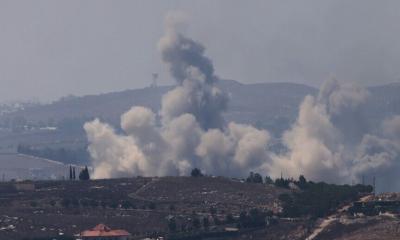
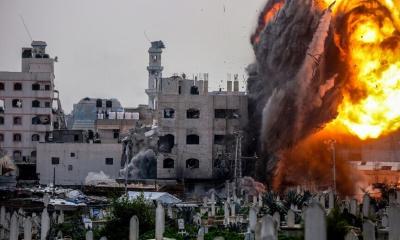
Cross-border clashes began on Oct. 8, 2023, between Hezbollah and Israel before expanding into a broader military campaign in September 2024. A ceasefire was reached on Nov. 27, 2024, but Israeli attacks continued. A second major confrontation developed after fighting widened on March 2 against the backdrop of the US-Israeli war on Iran. By mid-October, the conflict had killed 4,389 people and wounded 12,424 others.
The minister stated that Israel deployed white phosphorus during the conflict and sprayed glyphosate herbicide across forested land near the border. Lebanese authorities conducted soil, water, and crop tests through the end of 2025, finding results within controlled levels. Winter rainfall helped reduce some chemical effects. Ongoing fighting since March and the continued Israeli occupation of several areas have prevented specialist teams from reaching certain locations for fresh testing.
Around 24,000 hectares of olive-growing land in southern Lebanon were directly affected. Israeli forces bulldozed farmland, uprooted trees, and removed olive groves, taking 750 hectares out of production entirely. The agriculture ministry initiated the olive pressing season by collecting 20 samples from mills near occupied areas. Available results showed no health risks for consuming olives or olive oil produced in those tested zones.
Food markets faced pressure when the latest fighting began in March, coinciding with the local production season. Lebanon relied on imports from Egypt, Syria, and Jordan while regional supply chains suffered disruptions. Conditions improved in April as domestic production increased for the summer fruit and vegetable season. Earlier assessments by the Food and Agriculture Organization and the UN World Food Program had warned that roughly 1.2 million people in Lebanon could face food security difficulties between April and July.
Agriculture accounts for approximately 9% of Lebanon’s gross domestic product, rising to 13% when including related food industries. Syria remains a strategic partner for trade and cross-border disease control, such as combating foot-and-mouth disease. Lebanon exports avocados, grapes, and custard apples to Syria, while using Syrian territory as a land corridor for exports to Iraq, Jordan, and Gulf countries.
Exports of several Lebanese agricultural products increased between 20% and 40% in the third quarter of this year compared to the previous year. This improvement followed the reopening of the Saudi market last June and the resumption of land transport through the Masnaa border crossing with Syria in August. Saudi Arabia had previously restricted Lebanese products in 2021 after drug discoveries in fruit shipments. The renewed trade relies on tighter export controls and advanced truck inspection systems.
The minister also identified Türkiye as a supporter, saying a joint agricultural agreement is nearly ready for signing. Beirut has requested Ankara’s assistance with agricultural development, following discussions with Turkish officials regarding supplies, seedlings, and technical expertise.