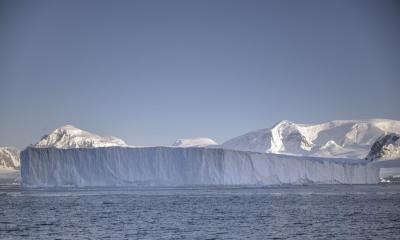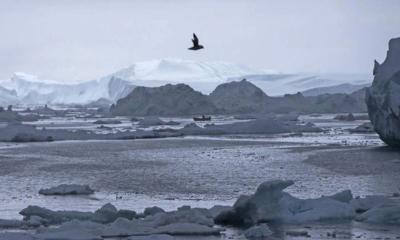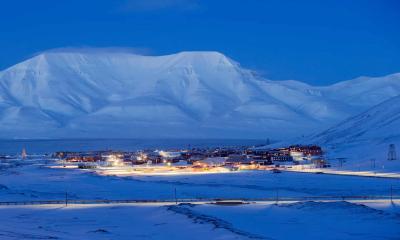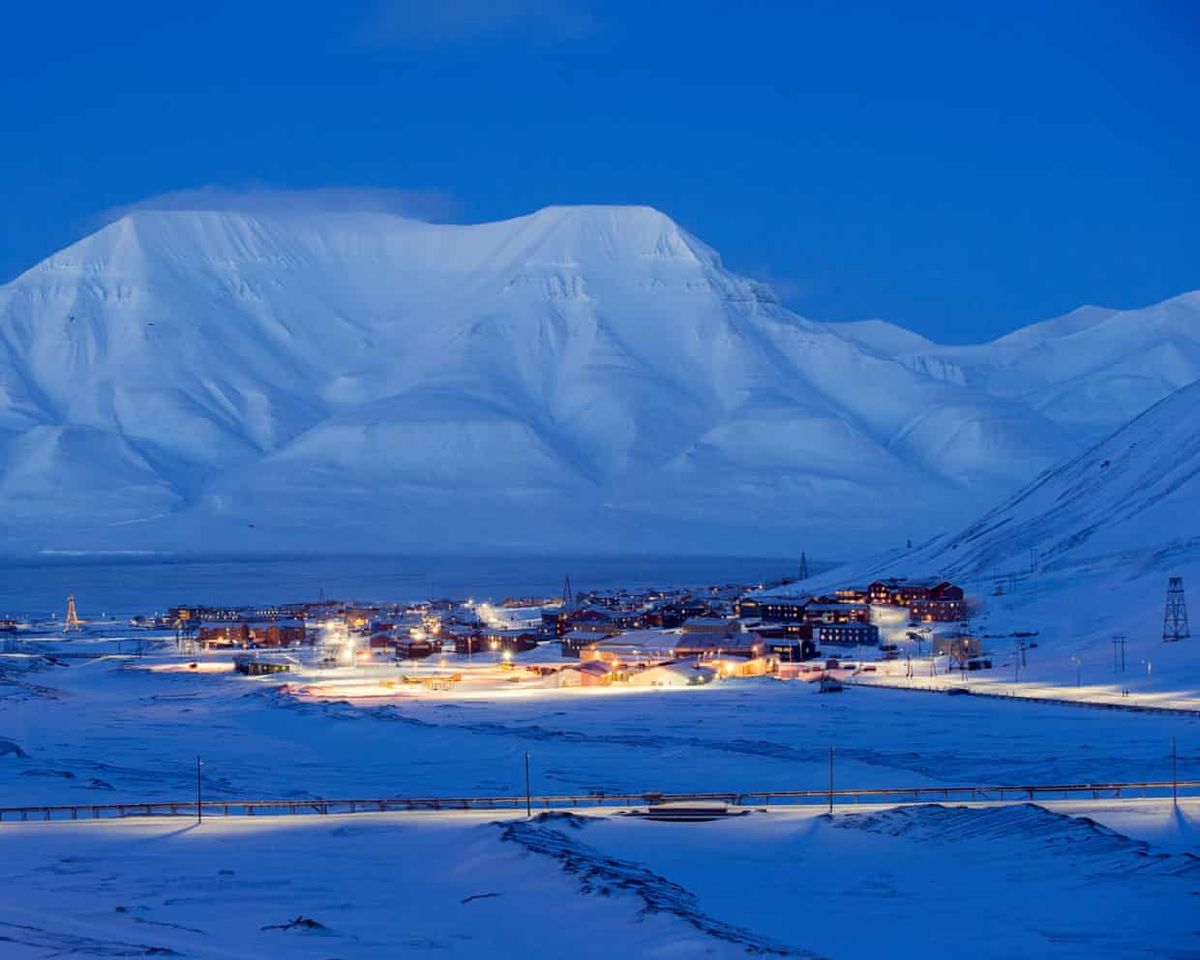
Residents of a remote town in Norway have been told they must no longer drink tap water due to heavy metal contamination linked to thawing permafrost.
Longyearbyen, located in the archipelago of Svalbard, gets its main drinking water supply from a 2.5-kilometre-long dammed lake named Isdammen. Higher temperatures have thawed permafrost, leading to newly exposed bedrock leaching metals into the pond.
Longyearbyen sits 800 miles from the north pole and is warming at between five and seven times the world’s average rate. Autumn temperatures in the area are rising at up to 4C a decade.
Researchers said heavy metal contamination of the water supply is linked to two factors. These are the thawing of permafrost and the local geology of the former mining town.
Marjolaine Verret, an associate professor in Arctic geology at the University Centre in Svalbard, explained the chemical process. The combination of thawing permafrost and shale bedrock containing pyrite, also known as fool’s gold, causes contamination of the water supply.
When pyrite comes into contact with water and oxygen, it oxidises and generates acidity. Verret said the acid produced can leach heavy metals from these rocks into waterways, adding that manganese has been the main issue in Longyearbyen alongside other potential contaminants.
The municipality, Longyearbyen lokalstyre, first alerted its 2,600 residents in September last year after manganese levels in the water supply were found to be 25 times higher than the 50 micrograms per litre recommended by the Norwegian Institute of Public Health. Mayor Terje Aunevik said that while drinking water quality had never been good due to sediment, the manganese levels had gone ballistic.
Prolonged exposure to high levels of manganese can cause neurological problems, particularly in children and infants. Emergency temporary measures were rolled out, including the installation of a central tank of free purified water filtered by the local brewery, allowing residents to refill containers at the local supermarket.
Manganese levels have since dropped, but sulphate and nickel levels exceeded recommended drinking water limits earlier this year. The drinking water ban is still in place.
Aunevik said a completely new water mains supply may be needed. Potential solutions include a filtration system or a desalination plant. Verret and other scientists warned that the contamination in Longyearbyen could be a warning for other Arctic communities in places like northern Canada and Alaska.