Delegates from more than 160 countries gathered on Tuesday for intensive negotiations aimed at accelerating climate action and turning commitments into practical measures.
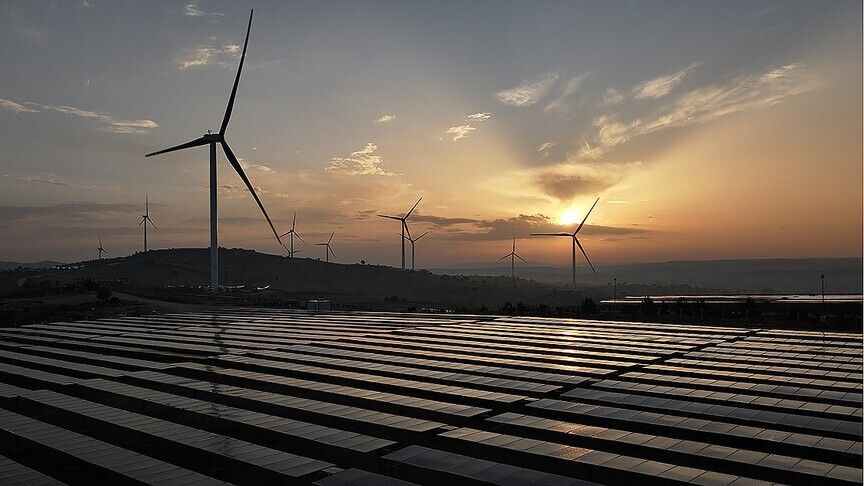
Under its COP31 presidency, Turkiye introduced a central implementation goal known as the 35x35 target. The initiative seeks to raise electricity’s share of global final energy consumption to 35 percent by 2035, up from the current level of around 22 percent.
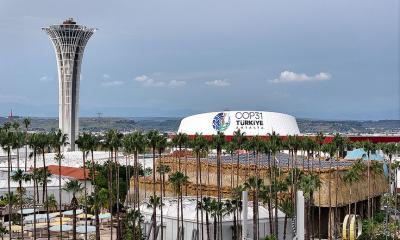
The target was formally integrated into the first draft text following the opening week of discussions in the Turkish Mediterranean city of Antalya.
Data released by the COP31 presidency showed that 75 countries had backed the initiative as of 0630 GMT.
Among the nations supporting the pledge are Germany, the United Kingdom, Norway, South Korea, Spain, Japan, Denmark, Canada, and Kyrgyzstan. The European Commission also confirmed backing from the European Union.
Australia, which holds the presidency of the negotiations at COP31, was among the earliest signatories to endorse the electrification pledge.
In addition to national governments, 94 organizations representing the business community and civil society added their support to the Turkish proposal.
The broader climate summit focuses on executing agreements previously reached under the Paris Agreement. Turkiye’s initiative is designed to fast-track the clean energy transition.
The electrification pledge is intended to support goals adopted at COP28 in Dubai, which included tripling global renewable energy capacity and doubling energy efficiency improvement rates by 2030.
Organisers said the measure would help reduce emissions and support efforts to keep global temperature increases as close as possible to 1.5 degrees Celsius above pre-industrial levels.
Recent scientific assessments warned that the risk of breaching the 1.5-degree threshold remains very high, though rapid cuts in emissions could help reverse any temporary overshoot.