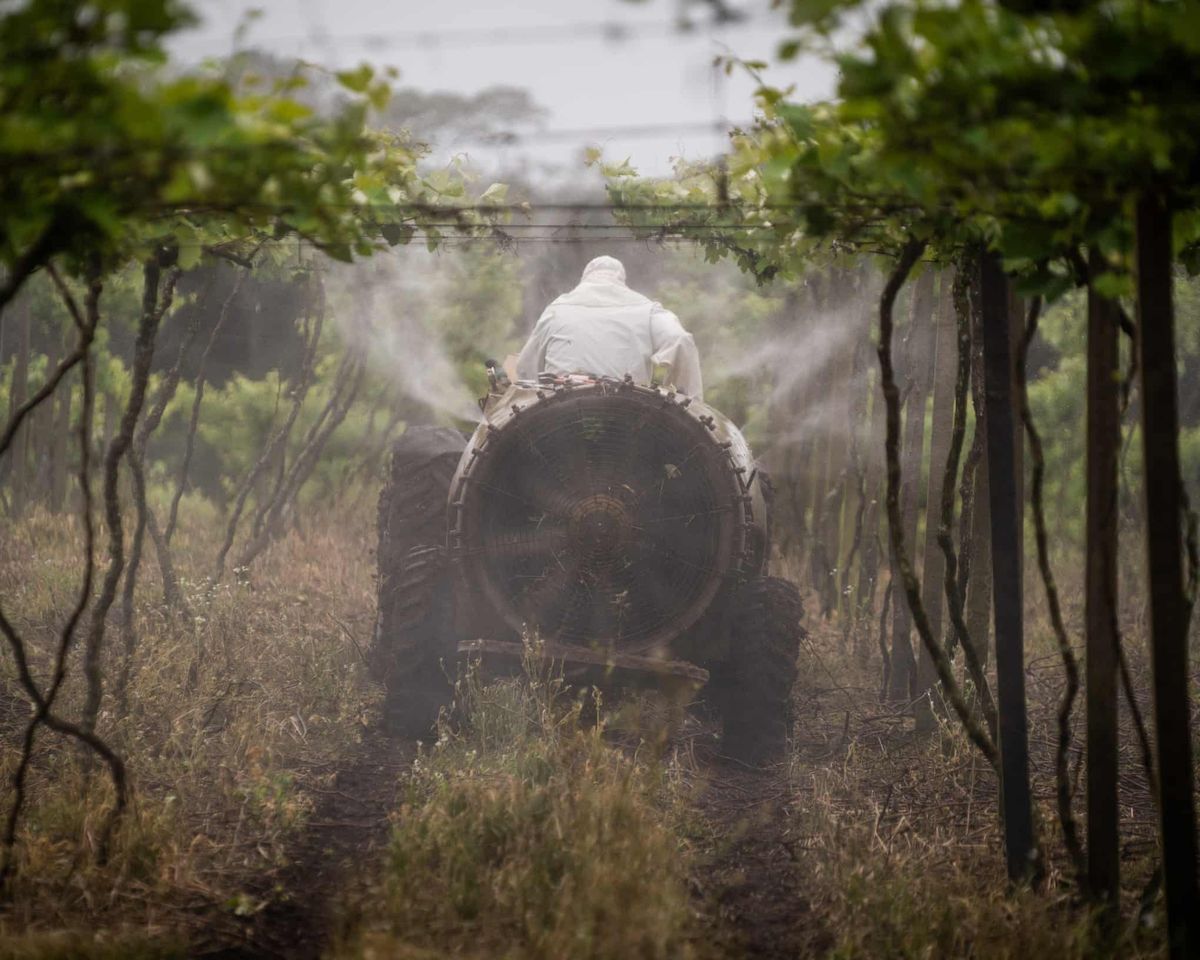
Pesticides sold by European chemical companies appeared in more than 1,600 poisoning reports across Brazil last year, according to a published investigation. An analysis of Brazilian health ministry data showed that roughly a third of these cases involved agricultural chemicals banned from use on farms inside the European Union due to risks posed to humans and the environment.
European regulations forbid the use of these substances domestically, but companies can manufacture them for export to nations with more permissive laws. On Tuesday, reporters from Unearthed and Public Eye released findings showing that out of 2,857 poisoning reports naming an identifiable product, 1,605 involved brands sold by European firms.
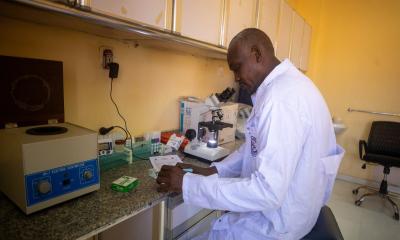
Brazilian law requires healthcare professionals to submit reports for all suspected pesticide poisoning cases. Clinicians classify these incidents as confirmed poisonings or exposures, though laboratory confirmation is rare and diagnoses typically rely on clinical judgment. Vanda Garibotti, a public health biologist in Rio Grande do Sul, said insufficient training and high staff turnover limit the ability of healthcare workers to properly confirm diagnoses.
Farm workers described severe symptoms after handling the chemicals, including breathing difficulties, vomiting, burning skin, and rotting flesh. The investigation recorded 32 deaths linked to products sold by European companies, comprising 31 confirmed poisonings and 26 suicides. A brand name appearing in a report does not constitute definitive proof that the specific product caused the injury or death.
Products manufactured in Britain featured prominently in the data. Reglone, a weedkiller containing diquat, was the most frequently cited UK-made chemical. The substance was banned in Britain in 2020 after experts concluded it posed a high risk to residents living near sprayed fields. Syngenta continues to manufacture Reglone at a factory in Huddersfield for export markets like Brazil.
Nelson Castoldi died last year in Rio Grande do Sul after accidentally ingesting Reglone on his family farm. Working in the sun, he mistook the chemical for a soft drink after it had been decanted into an empty cola bottle to save money on bulk transport. Although he spat it out immediately, the substance caused kidney failure and lung damage, killing him two days later.
His son, Ivan Castoldi, told researchers that the family fell apart following the tragedy, and noted that his mother passed away four months later after suffering a stroke. "That poison, Reglone, should be banned in Brazil," he said. "Not because of what happened to us, but because of its toxicity." Official figures showed the health ministry recorded 75 cases involving diquat last year.
German-manufactured chemicals also appeared frequently in the health records. Dormex, containing cyanamide, was linked to 17 confirmed poisonings. The EU banned cyanamide in 2008 due to health concerns for agricultural workers. Sidnei Souza de Oliveira suffered severe injuries when a container of Dormex spilled on his leg while he was filling a sprayer.
Oliveira continued working for four days before seeking medical treatment. "After 15 days, my leg was black," he said. "Chunks of flesh were falling off." Doctors had to remove dead tissue to prevent the injury from spreading toward the bone. He added that his employer provided thin protective trousers that allowed the chemical to seep through.
Other European products identified in the reports included Finale, which contains glufosinate, banned in the EU in 2018. Roundup, a glyphosate weedkiller manufactured by Bayer, was also cited frequently in Brazilian poisoning reports, including 12 deaths.