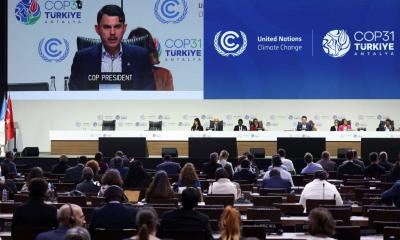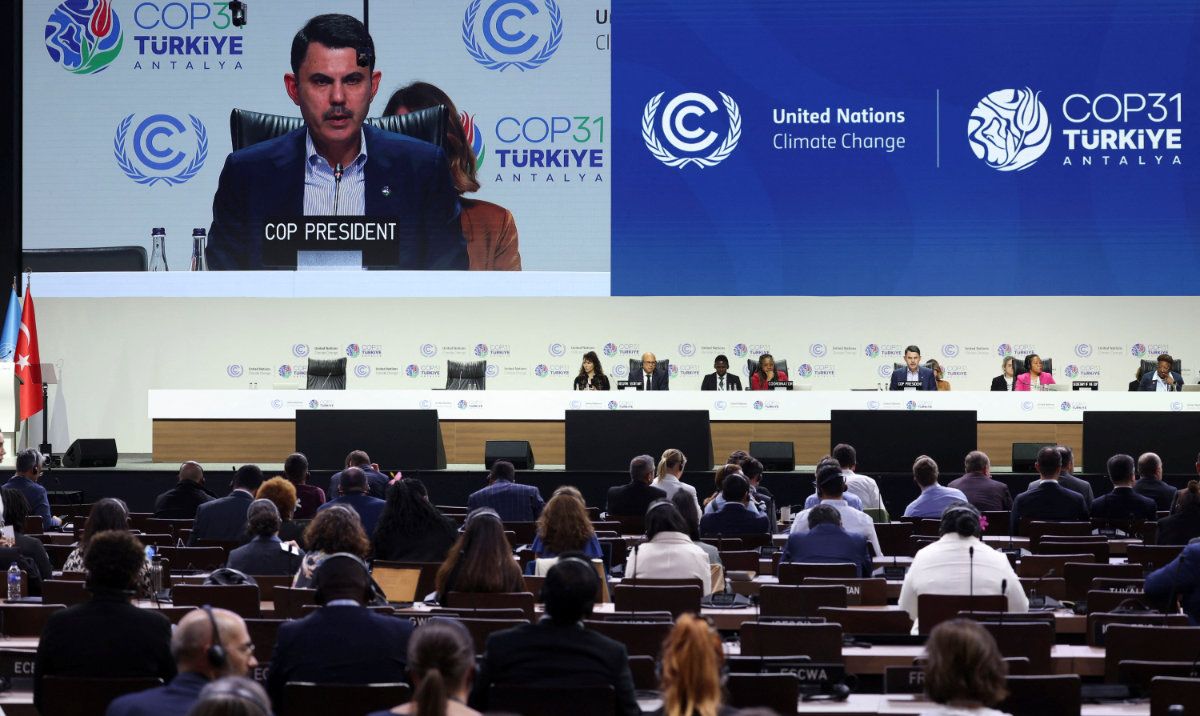
Climate negotiations in Antalya, Turkiye, moved toward a conclusion on Sunday. Summit presidents Australia and Turkiye introduced a fresh package of measures designed to secure agreement among delegations.
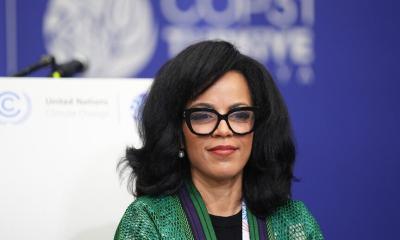
Murat Kurum, the COP31 President, addressed a late-night plenary session to announce the new document. "We believe that we have put forward a text which all the parties can agree upon," Kurum told delegates.
He stated that the conference would reconvene later on Sunday morning to formally approve the agreement. Negotiators blew past an initial Friday deadline and worked continuously through Saturday and into the early hours of Sunday.
The latest version of the deal refined an earlier draft that drew heavy criticism from observers. That previous draft faced objections for lacking ambition because it omitted any reference to phasing out fossil fuels.
Kurum told the plenary that he believed concerns regarding fossil fuels had now been addressed. He added that provisions addressing financial assistance for developing nations to adapt to climate impacts had also been resolved.
The updated text emerged following intensive consultations involving Australia, Turkiye, and nearly 200 delegations.
Delegations were given a deadline until 0300 GMT to raise any objections to the proposed text. A formal session was scheduled for 0600 GMT to begin the process of approving the agreement.
Australia led the negotiations with support from Turkiye. Their joint task involved balancing the urgent demands of nations vulnerable to climate impacts against the interests of economies reliant on fossil fuel production and consumption.
This year’s summit takes place as environmental warnings worsen. The gathering is the first since the United Nations environmental agency confirmed that global temperature rises are set to exceed the 1.5 degrees Celsius threshold.
Countries agreed a decade ago to attempt to keep warming below that limit. Scientists warn that exceeding 1.5 degrees Celsius, or 2.7 degrees Fahrenheit, will cause severe increases in extreme weather impacts.