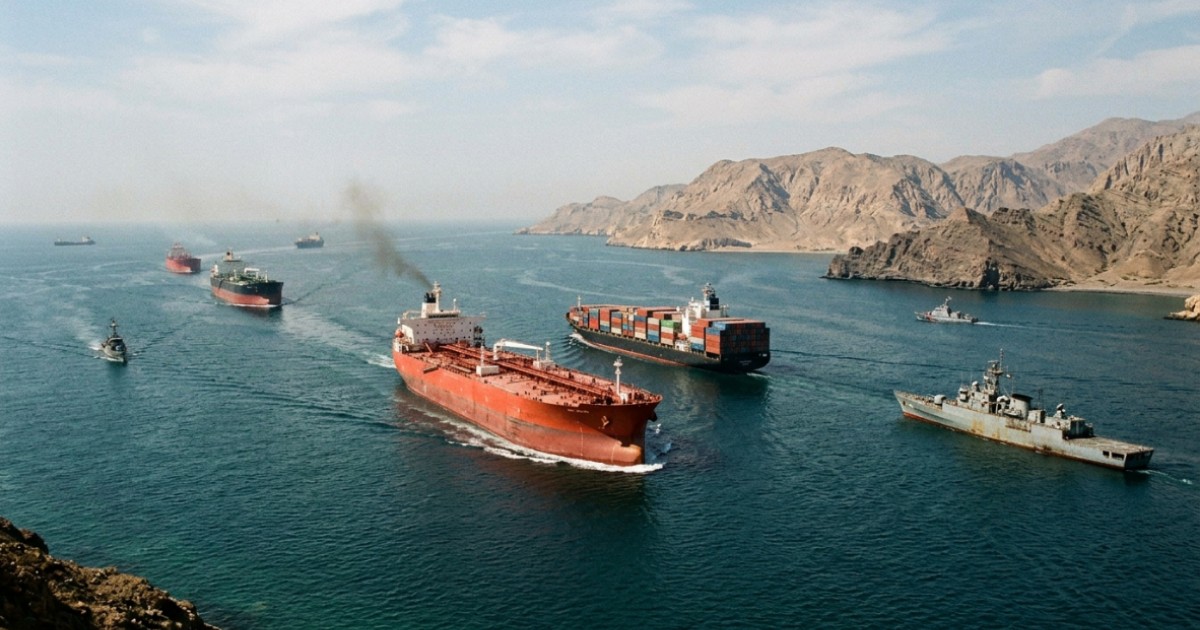
Iran and Oman have agreed on the coordinates of routes to be taken by vessels through the strategic Strait of Hormuz, though top officials in Tehran maintain that the waterway’s full reopening remains contingent on concessions from the United States. According to reports from Al Jazeera, the ongoing diplomatic efforts mark a critical development in regional maritime security following months of severe disruptions.
Foreign Minister Abbas Araghchi stated that the agreement with Oman is very close to finalization, but he cautioned that a complete reopening of the strait depends on Washington staying true to commitments given under a June memorandum of understanding that were previously violated. Tehran has repeatedly criticized the US for backing southern Omani routes without proper coordination, failing to halt regional conflicts, and refusing to unfreeze Iranian assets blocked under heavy international sanctions.
Concurrently, Hossein Mohebbi, spokesperson for the Islamic Revolutionary Guard Corps, told state media that the reopening of the Strait of Hormuz follows its own specific mechanisms and is separate from the ongoing discussions between Iran and Oman. He emphasized that the United States will have no choice but to accede to conditions set by the Islamic republic regarding the strategic passage. The IRGC views the waterway not merely as an economic corridor, but as a core source of national power tied directly to Iran`s geographic position.
The IRGC spokesperson urged the administration of US President Donald Trump not to interfere in the finalization of the talks with Oman. Earlier, the spokesperson for the national security commission in Iran`s hardline-dominated parliament also confirmed that the framework of an arrangement had been established, awaiting final approval from higher levels of government. President Masoud Pezeshkian has also defended the diplomatic engagement, rejecting speculation of internal friction over the resolution process.
The interim arrangement is reportedly envisioned for a duration of sixty days with extension possibilities, involving discussions on naval mine clearance, military vessel passage, and a coordinated fee system. These talks come in the wake of severe disruptions caused by military clashes earlier in the year through which approximately twenty percent of global oil normally passes. While regional military activity has decreased to facilitate diplomacy, underlying tensions remain high as maritime security continues to dominate international discussions.
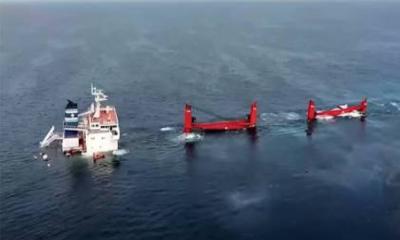
Illustrating the fragility of the current regional environment, the United Arab Emirates reported that a commercial vessel belonging to the Abu Dhabi National Oil Company was targeted by a missile while crossing the Strait of Hormuz. Although no casualties were reported, the UAE Ministry of Foreign Affairs strongly condemned the incident, describing attacks on commercial shipping and the use of vital waterways as tools of economic coercion. As diplomatic channels navigate complex geopolitical hurdles, the future stability of global energy transit hangs in the balance.