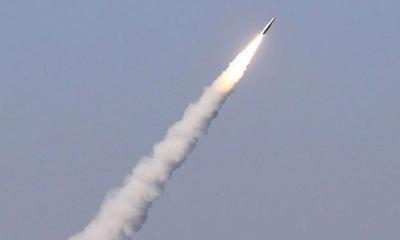
The United States military carried out new limited strikes on Iran early on Saturday, targeting its air defence systems. President Donald Trump described the action as minor while speaking to reporters after arriving in West Palm Beach, Florida, on Friday evening. He stated that they knocked out an anti-aircraft device in about fifteen minutes or five.
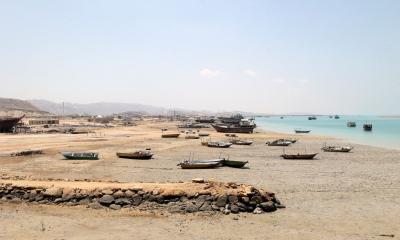
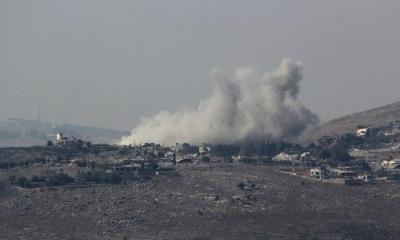
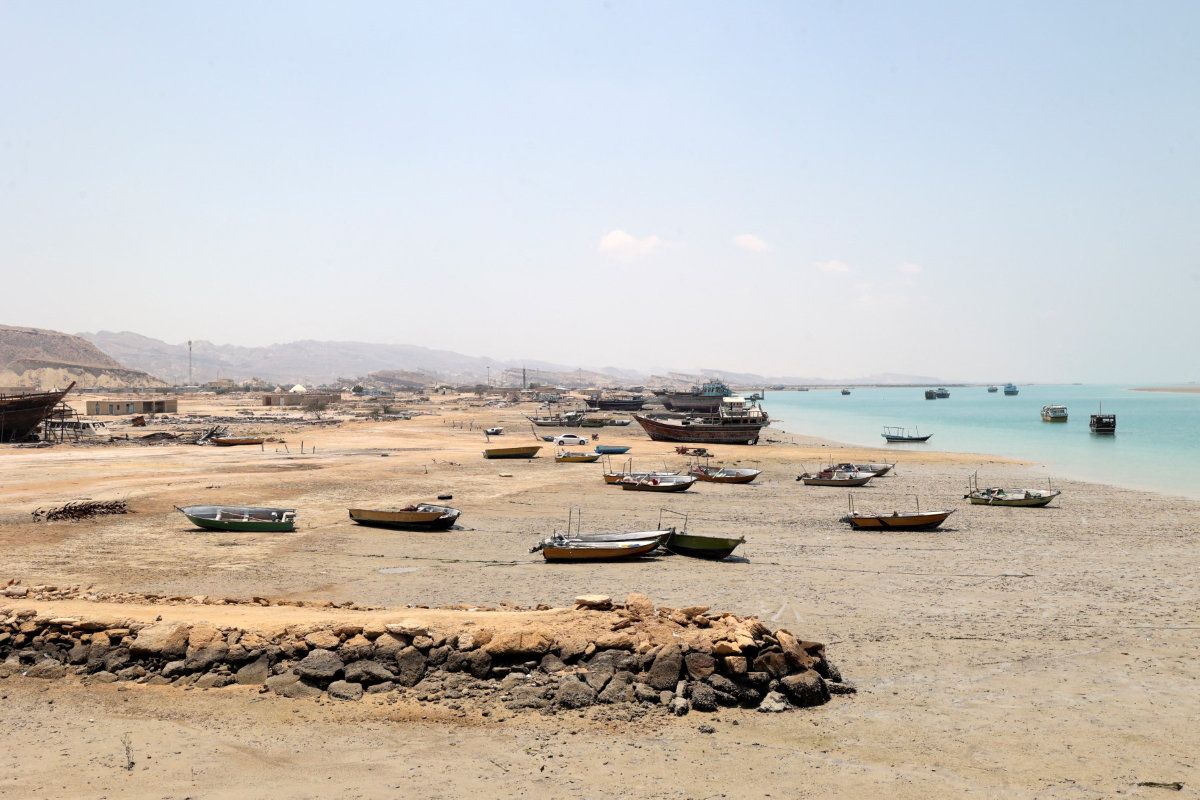
Iranian state media reported two explosions in the Suza area of Qeshm Island in the Strait of Hormuz. The state news agency IRNA quoted local witnesses who said two projectiles struck the island after hearing an aircraft. Earlier on Friday night, Iranian media cited the Islamic Revolutionary Guard Corps as saying that air defences destroyed a US MQ-1 Predator drone over Qeshm.
The US military also carried out defensive strikes on Monday, with explosions heard on Qeshm and Hengam islands and in the nearby mainland area of Bandar Abbas. Saturday marks the first military action since Trump’s Republican Party lost both chambers of Congress in Tuesday’s midterm elections amid voter anger over the conflict and high fuel prices.
Two Middle East government officials said Iran was reviewing proposals from chief mediator Qatar to bridge differences over its nuclear program. One official said Iran still refuses direct talks with the Trump administration until the US accepts core ceasefire conditions. Resolving the nuclear dispute is a central demand of Trump in the eight-month-old war.
US Central Command announced a reward of up to $20 million and possible relocation for information on Iran’s nuclear program, including facilities, equipment, and associated personnel or scientists. The White House declined to comment on the Qatari proposals, though Trump noted that talks between mediators and Iran continue.
Tehran wants several concessions before starting nuclear talks, including an end to the US port blockade, the lifting of sanctions, unfreezing assets, war damages, and an end to regional hostilities such as Israeli operations in Lebanon. Regional officials said a potential bridge deal proposed by Qatari mediators involved two days of trust-building steps, including lifting the blockade and releasing frozen funds in return for allowing International Atomic Energy Agency inspectors at bombed sites.
On the second day, Iran would reopen the Strait of Hormuz under a temporary mechanism agreed with Oman, ahead of a permanent deal with other Gulf countries. After these steps, the US and Iran would start extensive talks on Tehran’s stockpile of highly enriched uranium. The International Atomic Energy Agency says Iran holds 440.9 kilograms of uranium enriched up to 60 percent purity.
Diplomatic activity continued as Defense Secretary Pete Hegseth spoke on Friday with his Qatari counterpart, Sheikh Saoud bin Abdulrahman Al Thani. The Qatari government confirmed a separate call between Trump and Qatar’s emir about de-escalation. Iranian Foreign Minister Abbas Araghchi also spoke with his Iraqi and Tunisian counterparts about regional tensions and Tehran’s vision for talks with the US.