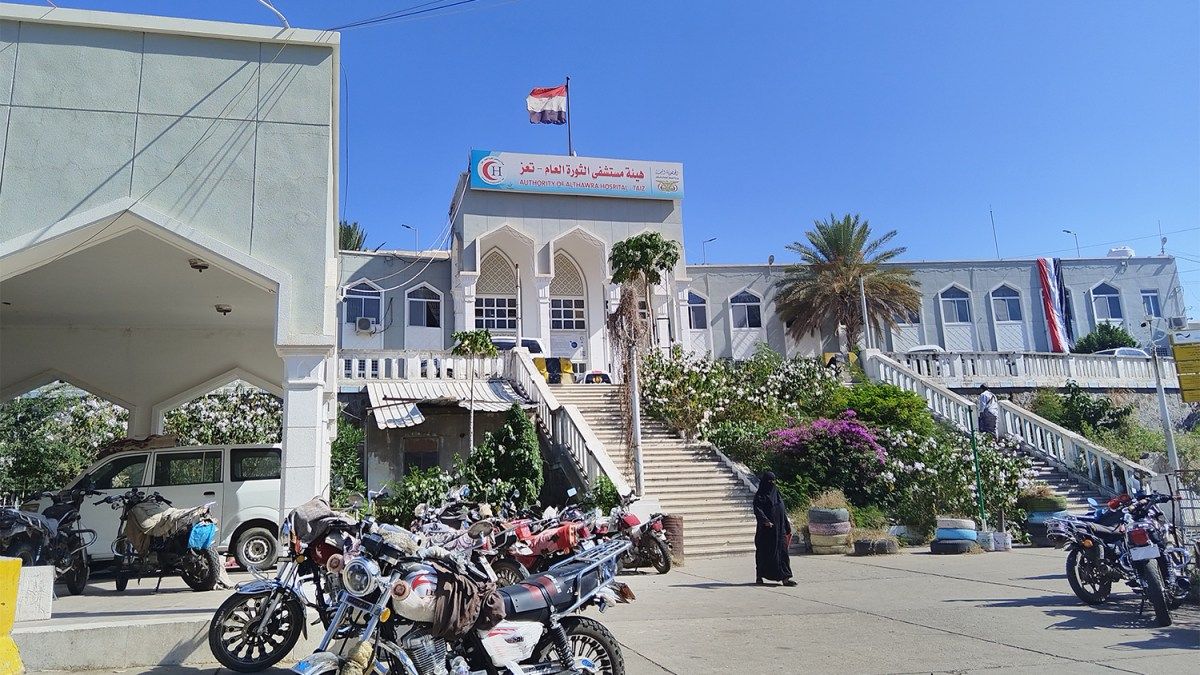
A monthlong blockade by Houthi rebels on the southern Yemeni city of Taiz has left hundreds of thousands of people stranded and sparked warnings of a humanitarian catastrophe. The siege began after Houthi forces seized al-Turbah, a town in the far southwest of Taiz governorate, and captured the western countryside. This military maneuver severed the city’s main artery linking it to Aden and the outside world.
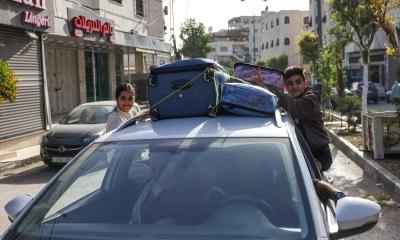
Ahmed al-Mikhlafi and his family found themselves caught in the blockade after returning from performing Umrah in Mecca. While they were away, fighting erupted and forced them to delay their return by more than two weeks. Upon arriving in Aden, they discovered that the main Hayjat al-Abd to al-Turbah route was closed, forcing them onto a rough secondary road.
Ahmed stated that they passed nearly 20 newly established Houthi checkpoints across the western countryside. At midday, about 15 kilometres from the city entrance, a checkpoint halted their vehicle due to ongoing clashes and ordered them to turn back. His wife, Umm Adam, noted that travelling with three children, the youngest under five, carried severe risks but left them with no alternative options.
The family spent two days waiting in a small rural hotel where nine women and children shared a single room while men stayed in another. Ahmed reported that they paid 100 Saudi riyals, equivalent to $26.66, for each night spent in the hotel. Passenger transport costs surged similarly, rising from 35 Saudi riyals before the conflict to 100 Saudi riyals per passenger upon their return.
The blockade affects 1.5 million residents in Taiz City alongside populations in rural districts, including roughly 180,000 displaced people trapped by ongoing clashes. Salah Ahmed Ghaleb al-Majidi, acting director of the governorate’s Siege Affairs Department, described the blockade as the worst catastrophic siege imposed on a Yemeni city since the war began in 2014. Food, fuel, medical supplies, and water fail to reach the city, while uncollected rubbish accumulates on the streets.
Al-Majidi added that the road closures threaten family cohesion by preventing relatives from visiting one another across the Taiz countryside and the city. The restrictions also prevent rural residents from reaching health centres inside Taiz. Taysir al-Samei, information officer at the governorate’s health office, stated that access to city hospitals dropped by 60 to 70 percent by the end of the siege’s second week amid severe shortages of fuel and medical supplies.
Patients needing treatment abroad stay trapped inside the city boundaries. A young journalist suffering from chronic immune-related inflammation affecting his liver enzymes said his condition worsened as Houthi forces approached the centre. Although his doctor in Cairo advised urgent travel after his liver enzyme levels reached 32 times the normal range, the journalist explained that leaving via the only remaining exit controlled by the Houthis is almost impossible due to his media reporting against them.