A public inquiry into the 368-billion-dollar Aukus nuclear submarine agreement has condemned the plan as the worst, riskiest and most costly defence decision ever made by an Australian government. It urged the immediate termination of the deal.
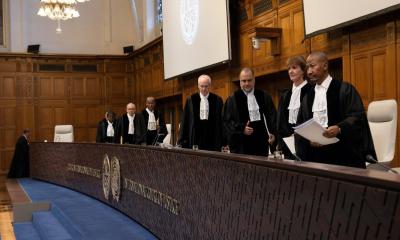
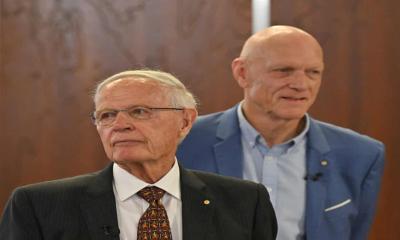
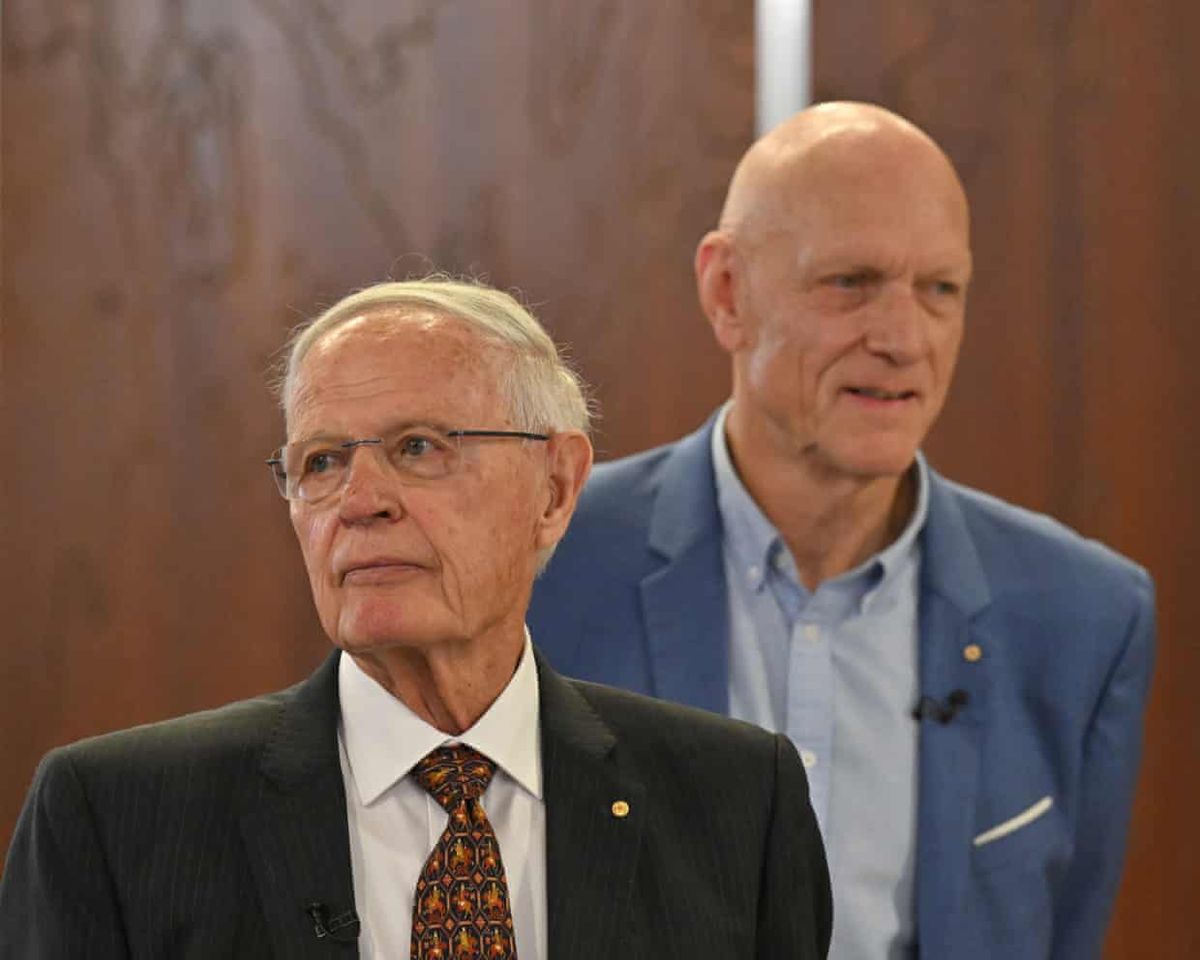
Former Labor MP and musician Peter Garrett and former chief of defence Admiral Chris Barrie led the inquiry. They recommended suspending plans for new bases and called for a royal commission into the agreement, which was originally signed by the former Morrison government.
The report, titled Surrendering Australia: the Aukus Deception, was released on Wednesday and downloaded nearly 15,000 times within an hour of publication. It argues that Australia risks being dragged into military conflict with China due to the presence of powerful nuclear submarines. It also contends the deal undermines national sovereignty and nuclear non-proliferation commitments.
The inquiry gathered more than 1,000 public submissions after holding hearings across the country. It pointed to a lack of scrutiny and oversight over the five years since Aukus was announced, calling on the auditor general and federal parliament to launch independent reviews.
Conceived in secret, the deal has spurned established defence and parliamentary oversight practices, according to the report. Admiral Barrie warned that the Stirling defence precinct in Perth risked becoming a de facto United States base hosting up to 2,000 American personnel, turning nearby communities into targets for attack.
"The Aukus submarine plan is not tenable," Barrie, who served as chief of defence between 1998 and 2002, said on Wednesday. He urged the government to scrap the submarine plan and rebuild national security decision-making processes.
Labor agreed to support the acquisition of nuclear submarines, which was negotiated alongside former US president Joe Biden and UK prime minister Boris Johnson. Australia is funding upgrades to the US defence industrial base and is scheduled to receive secondhand Virginia-class nuclear submarines around 2032.
However, delays and cost blowouts for production in the US have fuelled scepticism that Australia will receive the vessels. Garrett warned that any certainty the US president would eventually send the submarines could not be guaranteed, as there are no refunds or enforceable obligations on partner countries.
The inquiry estimated an additional 180 billion dollars will be needed to manage nuclear waste generated by the program, based on evidence submitted during hearings. No official cost estimates for the waste have been published, and Australia has not identified a permanent storage site for the high-level radioactive material.
Labor defended the agreement, stating that the nation confronts the most challenging strategic circumstances since the Second World War. The government argues the Australian Defence Force needs greater capacity to project power, defend the country, and contribute to regional security and stability.