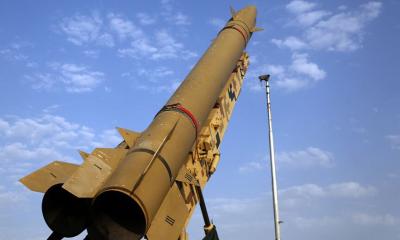
Israel has finalized its preparations for a renewed military confrontation with Iran, according to a report published on Saturday. The Israeli military has completed both defensive and offensive planning for a possible return to hostilities, though the final choice rests with the United States administration.
,Political sources told the Yedioth Ahronoth newspaper that Israel is nearing another round of fighting. Military and political leaders in Israel do not control the timing of any new engagement. The decision depends on whether President Donald Trump pursues a diplomatic agreement with Tehran or orders resumed military strikes in coordination with Israel.
,The preparations extend far beyond initial tactical planning. The Israeli air force has carried out multiple exercises involving dozens of fighter jets and refueling aircraft. These aircraft flew through Syrian and Iraqi airspace toward the Iranian border to rehearse potential attack routes.
,Meanwhile, the chief of the US military Central Command, Brad Cooper, presented a series of military options to Trump. The meeting included Defense Secretary Pete Hegseth and Chairman of the Joint Chiefs of Staff Dan Caine, according to the report. Officials have not yet reached a decision on resuming combat operations.
,Ten US military transport aircraft arrived at Israeli air bases over recent days to deliver equipment. The deliveries coincided with ongoing reinforcements of American forces in the region as Washington prepares for potential military action.
,Political sources pointed to a central dilemma involving the lack of clear American strategic objectives for any future operation. Aerial strikes against Iran’s nuclear facilities, missile systems, and military infrastructure would not necessarily collapse the government or alter state policies.
,The sources indicated that Washington might employ military pressure to compel Tehran into accepting an agreement on terms favorable to the United States. Any diplomatic deal that fails to address Israeli concerns regarding the Iranian nuclear program and missile systems would leave unresolved threats, the sources warned.
,Officials also cautioned that renewed fighting could expand into Lebanon if Hezbollah enters the conflict, repeating a previous pattern. Such a development would strain Israel’s air defense networks and deplete interceptor missile inventories while prolonging the war.
,Alongside these military steps, indirect contacts between Washington and Tehran mediated by Qatar have shown some progress toward direct negotiations. These discussions reportedly focus on the Iranian nuclear program, the Strait of Hormuz, and economic incentives, with Russia and China potentially acting as guarantors.
,The original conflict began with joint US and Israeli strikes against Iran on 28 February before a temporary ceasefire took effect in April. Fighting between Washington and Tehran resumed in July as negotiations stalled.