A normal two and a half hour drive stretched to six hours for Yazan after his car engine began vibrating and losing speed on the road. The driver stopped multiple times on his journey before reaching his destination.
Yazan believes the trouble came from contaminated petrol bought in Sanaa that was mixed with oil and impurities. Other motorists in the city have reported similar vehicle problems alongside rising fuel prices.
“The petrol left numerous cars, including mine, with many faults,” Yazan said. “We pay for the expensive petrol that damages our engines.”
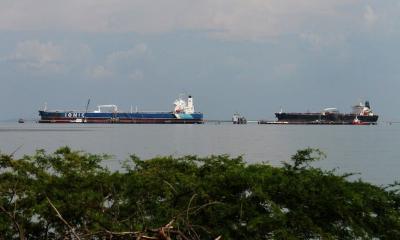
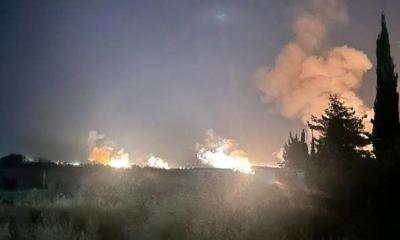
The root cause of the bad fuel is a subject of dispute. In June, the Sanaa-based Yemen Petroleum Company, run by the Houthis who have controlled northwest Yemen since 2014, blamed inadequate fuel storage facilities in Hodeidah. Storage tanks in that port city and the nearby Ras Isa oil terminal have sustained damage from Israeli and United States air strikes since 2024, launched in response to Houthi attacks on Israel and shipping in the Red Sea.
The company stated that the tanks previously allowed staff to remove impurities before pumping fuel to the market. With those facilities out of operation, fuel quality has suffered. However, many residents dispute that version of events.
According to the Sana’a Center for Strategic Studies, restrictions on fuel imports have forced the Houthis to rely partly on lower-quality Iranian fuel shipments. Academic Mohammed Ansi said regular people are bearing the cost of these decisions. Fuel shipments are brought in without accountability or oversight, driven solely by profit and commissions, he added.
World Bank data shows that fuel imports fell sharply from January to May, dropping 73 percent through Houthi-controlled ports and 60 percent through government-controlled ports compared with the same period in 2025. This decline stems partly from the impact of the war on Iran concerning oil shipments through the Strait of Hormuz, alongside port damage in Yemen.
The financial toll is compounding the difficulties of a decade-long war. A 20-litre container of petrol in Sanaa rose from 9,500 Yemeni riyals to 11,400 riyals, an increase of 20 percent. An April report from the International Monetary Fund noted that the conflict has caused severe macroeconomic vulnerabilities and falling incomes, leaving over half of the population in urgent need of humanitarian assistance.
Akram Naji, a taxi driver in Sanaa, had to visit a mechanic in the Maeen district after hearing unusual engine noises. The mechanic found a faulty fuel pump, clogged fuel injectors, and reduced engine performance. Repairs cost 55,000 Yemeni riyals, roughly 100 US dollars.
“For many taxi drivers here like myself, paying this amount of money immediately is a challenge,” Naji said. “I had to not pay my rent in full and decreased my family’s daily expenses to cover the maintenance costs.”
Mechanical engineer Ali Beidhani explained that oily impurities entering the engine accumulate in the combustion system and turn glue-like under high temperatures. This damages valves, clogs fuel injectors, and can cause complete engine failure. The repair costs often force drivers to borrow money or sell possessions like gold, according to Beidhani.
Wafiq Saleh, an economic researcher at the Taiz Centre for Yemeni-Gulf Studies, stated that the spread of substandard fuel increases civilian misery. He argued that authorities in Sanaa bear full responsibility for supplying adulterated petrol. Naji now inspects the colour of the petrol at filling stations, trying to avoid further damage to his taxi.