Lebanon is trapped between pressure from Washington to rein in armed groups and an open-ended military occupation by Israel in the south. These conflicting demands have sparked a deep political and security crisis in Beirut.
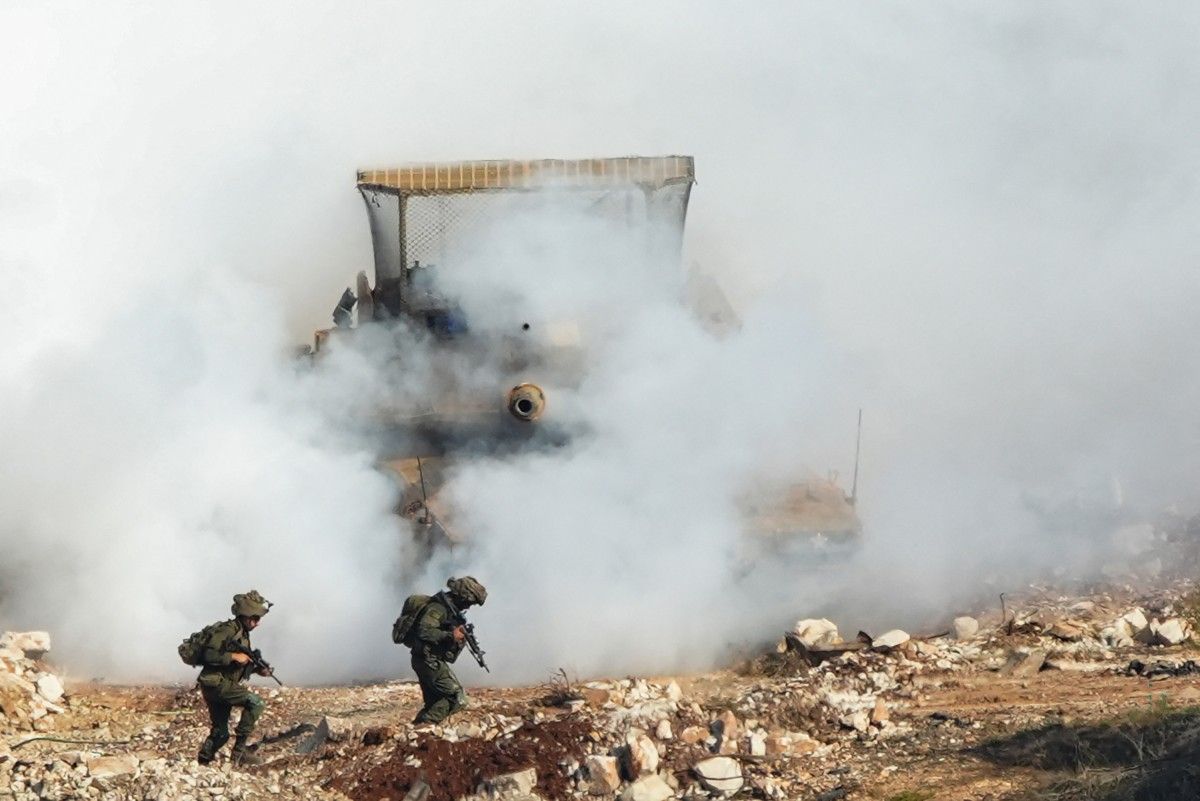
Israeli Defense Minister Israel Katz stated that the military will not withdraw from southern Lebanon until several conditions are met. These include the complete disarmament of Hezbollah, the dismantling of Hamas, and the elimination of threats from Syria. Katz said Israeli forces intend to remain in their security zones indefinitely.
Katz warned that Israel is prepared to seize more territory if hostilities escalate. The military could occupy further land, evacuate residents, and destroy militant infrastructure.
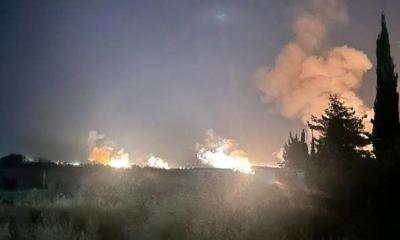
This stance goes alongside ongoing military operations across southern Lebanon. The Israeli military recently targeted the Bekaa Valley, stating that Hezbollah was trying to rebuild a missile-production and weapons-storage facility. That strike followed an operation near the Syrian border targeting a weapons shipment intended for Hezbollah.
These developments have piled diplomatic pressure on the Lebanese government over Hezbollah’s arsenal. US Ambassador to the UN Mike Waltz visited Beirut to push the issue.
Waltz urged Hezbollah to surrender its weapons voluntarily and place them under state control. He argued that Lebanon cannot function with two armies and pointed to the Lebanese Armed Forces as the proper mechanism for state sovereignty.
“I hope and pray Hezbollah will disarm. They should do that voluntarily,” Waltz told reporters in Beirut, adding that no country can have two armies.
Waltz also called for changes to the UN presence in Lebanon. He stated that the mission needs to evolve as the mandate of the United Nations Interim Force in Lebanon nears its expiration on December 31. Washington has discussed alternative security arrangements, including an international monitoring presence to support the Lebanese military.
Mohanad Hage Ali, a senior fellow at the Carnegie Middle East Center, said the US approach overlooks facts on the ground. He noted that the Shia community needs a clear off-ramp from Hezbollah’s control, such as a withdrawal timeline or a step-by-step framework, which is missing from current talks.
“What Waltz intentionally or unintentionally misses is that the Shia community should be offered an off ramp from Hezbollah’s grip, in the form of a withdrawal timeline or step by step framework and that is not on the table,” Hage Ali said. He added that the Israeli approach treats entire communities as threats, pointing to similar policies in Gaza and the West Bank.
A US-mediated framework agreed upon in June envisioned the Lebanese army gradually assuming control and disarming Hezbollah, followed by an Israeli withdrawal. However, talks have stalled completely, with Hezbollah rejecting the terms as surrender.
For ordinary citizens, the political paralysis means severe economic hardship. Ali, a 42-year-old displaced resident from southern Lebanon living in a shared house near Beirut, relies on odd jobs and deliveries to survive in a collapsing economy.
“Our mental health is flailing. I do not know how much longer we can resist or believe in such messaging. We’re out of work, the country continues to fall into an abyss, and none, none of the people in power truly represent us anymore. We used to feel proud, now we’re haunted by hunger and idleness. One cannot resist on an empty stomach,” he said.