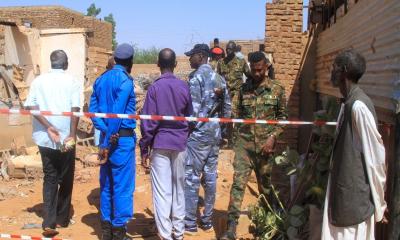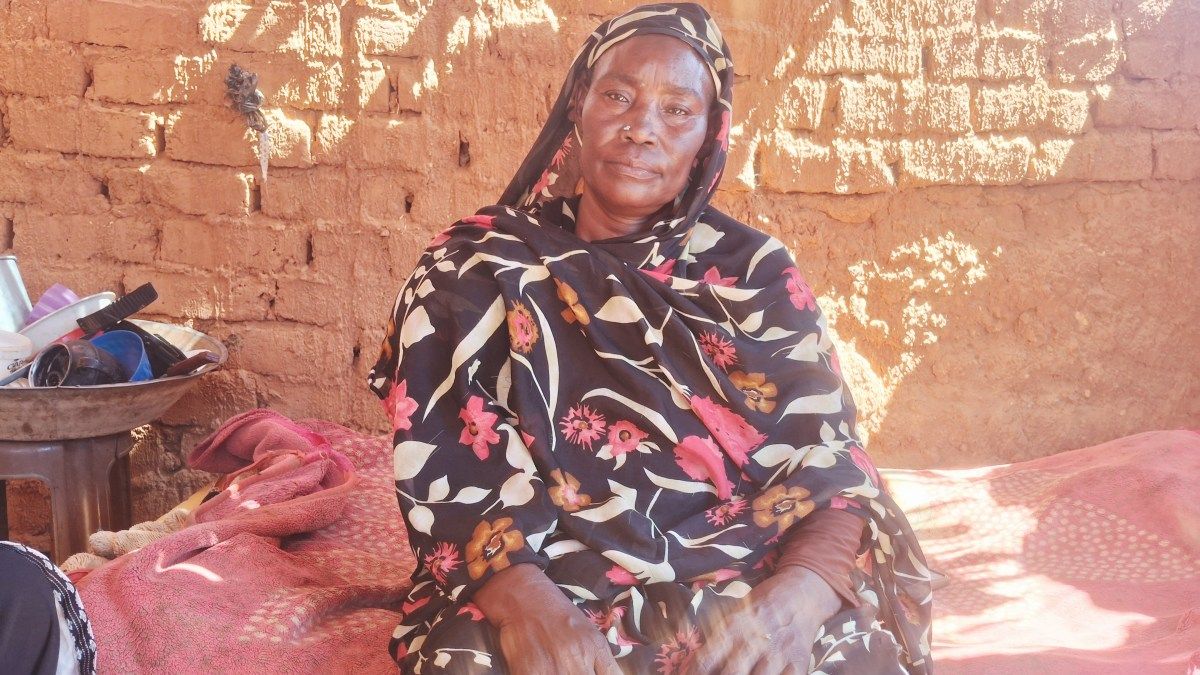
Fatima Mohamed Haroun fled her home in West Darfur state at the start of the conflict in 2023. She now cares for four young grandchildren in a crumbling mudbrick building in al-Ghadir, north of Omdurman.
Haroun explained that her son went missing a year ago and his wife died after childbirth. Without an income, she relies entirely on neighbours to survive, though they often have nothing to share. "When they have no food, my grandchildren and I go to bed hungry," she told reporters on Sunday, adding that they sleep on the ground with only the sky above them.
Temperatures drop in Omdurman during the winter months, and al-Ghadir is cold due to its location near mountainous areas. Displaced residents lack blankets, winter clothing, and heating facilities to cope with the weather.
The conflict between the Sudanese Armed Forces and the Rapid Support Forces, which began in April 2023, has created one of the world’s worst humanitarian crises. Khartoum state hosts hundreds of thousands of internally displaced people who fled violence in western and southern regions.
Data from the International Organization for Migration showed that Khartoum state was hosting 414,252 internally displaced people by late July. Across Sudan, more than 8.5 million people remain internally displaced by the fighting.
The United Nations refugee agency and the IOM warned that millions lack a roof over their heads and risk losing access to emergency shelters due to funding shortages. About 15.4 million people in the country need emergency shelter and basic household items, but funding shortfalls allow agencies to assist only 10 percent of those in need.
Humanitarian operations face obstructions from fighting, general insecurity, drone attacks on civilian infrastructure, and logistical challenges. Less than half of the funding for the 2026 Humanitarian Response Plan, which requires 2.9 billion dollars for 20.4 million people, has been received.
Kheira Matar Hassan, another displaced woman from Darfur now living in al-Ghadir, became separated from her husband when he went to find work in Chad. She supports seven children by washing and ironing clothes for local families, but her income is irregular.
"We came from an area where we were not poor," Hassan said, describing how her family once farmed their own land. "We had our land, cultivated it and lived off what it produced. But the war brought us here."
Abdelaziz Suleiman Ori, director of culture and information for the Darfur regional government, said his administration is monitoring conditions and coordinating relief. While the regional government has drawn up a winter plan for blankets, clothing, and food, Ori acknowledged that available resources are insufficient to meet the massive needs.