Just two weeks ago, Indian Prime Minister Narendra Modi was riding a massive wave of political momentum following a landslide election victory. His Bharatiya Janata Party successfully conquered West Bengal, a state holding 100 million voters that had served as a fierce bastion of anti-Modi forces for years. The sweeping political triumph meant the BJP finally controlled 21 out of India’s 28 states. That domestic celebration was suddenly cut short as the ongoing war in Iran began pulling the country`s economic ambitions back down to earth.
Donald Trump`s unpredictable military policies are now actively threatening India`s long-standing dream of becoming a global superpower.
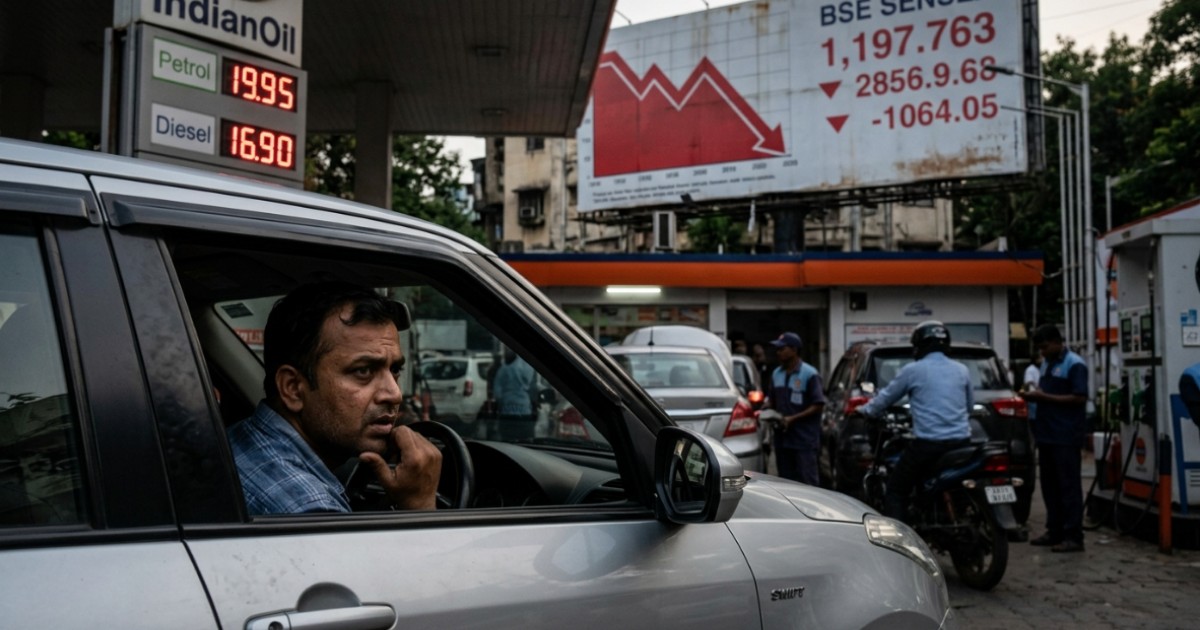
Foreign investors are rapidly fleeing the market, the national currency is falling, and petrol prices are surging across the country. Ratings agency Moody’s recently slashed its 2026 growth forecast for India by 0.8 points down to a mere 6 percent. That specific adjustment marked the largest downgrade for any of the world’s 20 biggest economies outside of Saudi Arabia.
A growth rate of 6 percent remains the envy of most major global economies. Chietigj Bajpaee, a regional expert at the Chatham House think tank, noted that this figure simply is not enough for New Delhi. The country desperately needs sustained annual growth of at least 8 percent to reach its ambitious 2047 target of becoming a fully developed nation, known locally as Viksit Bharat. Economic momentum was already slipping slightly below that crucial benchmark even before the Middle East conflict erupted.
Modi was initially expected to be one of the primary beneficiaries of a second Trump term in the White House. American foreign policy was supposed to focus heavily on curtailing China’s rise, a strategy that would naturally fuel India’s own quest for regional supremacy. The mercurial US president instead immediately clashed with Modi over trade policies, leading to a grueling 12-month standoff over high American tariffs before a deal was finally struck.
The outbreak of the war in Iran derailed the relationship even further on a geopolitical level.
Trump has drawn noticeably closer to India’s two biggest strategic rivals since the military conflict began. Pakistan quickly maneuvered itself into a highly strategic role as Washington`s trusted intermediary during complex peace negotiations with Tehran. Beijing simultaneously managed to shift the US president’s attitude away from outright belligerence toward a sense of begrudging esteem. Dr. Walter Ladwig, a political scientist at King’s College London, stated that these sudden developments have severely set back India’s 20-year diplomatic effort to cultivate a tight alliance with Washington.
The political scientist noted that while the two nations still fundamentally need each other, trust has taken a massive hit and significant limits now restrict the relationship. Modi is discovering that his country remains at a stage where it is heavily affected by global events rather than actually shaping the international system.
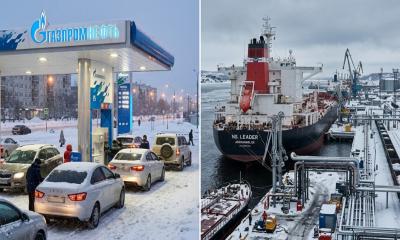
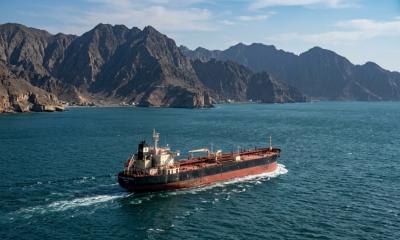
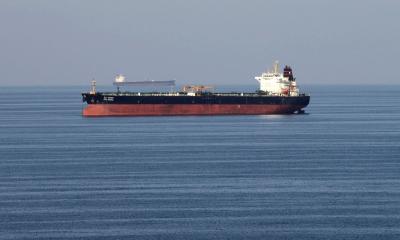
India imports a staggering 87 percent of its crude oil and gas, with roughly half of those essential supplies traditionally passing through the currently blockaded Strait of Hormuz.Trump’s military excursion in the Middle East has passed the 80-day mark with absolutely no sign of ending. The prolonged crisis is actively punching a massive hole in India’s public finances while fiercely stoking domestic inflation. Modi is currently touring Abu Dhabi, Norway, and Italy in a desperate search for alternative oil, gas, and foreign investment deals. T
he prime minister needs these international agreements to shield the domestic economy from the devastating Hormuz blockade.Modi recently asked his 1.5 billion citizens to put the country above all else by using less petrol, curbing foreign travel, and completely stopping their gold purchases.
Aastha Gudwani, an economist at Barclays, described the prime minister`s austerity push as a stark exercise in expectations management. She noted that the government is actively preparing the population for a massive geopolitical shock that will inevitably translate into highly unpleasant financial statistics. Indians traditionally devour gold for wedding dowries, personal decoration, and devotional religious gifts. Citizens snapped up $72 billion worth of bullion last financial year, representing a 24 percent increase that made gold the country’s second-largest import after crude oil.
Ashok Sonthalia, an executive at Titan, told Bloomberg that he doubted the government`s call for restraint would actually destroy domestic demand. The government quickly stepped in with aggressive regulations, immediately doubling gold tariffs to 15 percent. Authorities then decreed that any bullion shipment exceeding 100 kilograms would require a special import license.
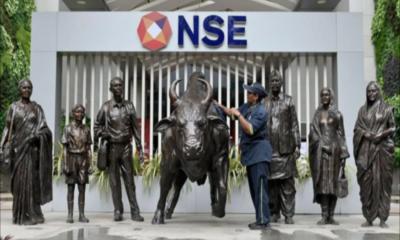
Foreign investors have pulled a staggering 2.2 trillion rupees from the Indian stock market this year alone. That massive figure is a third higher than the entirety of last year`s capital flight. Net foreign direct investment in the country is completely flatlining as big money chases high-yielding US Treasury bonds and the artificial intelligence boom in South Korea. Delhi has also burned through cash trying to protect citizens from soaring global energy costs.
The government finally let the dam burst by allowing domestic petrol prices to rise twice in the past week.
Subsidized fuel tax cuts were previously costing the state 70 billion rupees a fortnight. Barclays estimates that a separate bill for critical fertilizer subsidies will hit 500 billion rupees, standing one-third higher than originally budgeted. Gudwani noted that while the government was initially ready to absorb the financial shock, no one was prepared for the crisis to stretch into its tenth week. To keep the national deficit under control, Delhi may soon have to slash essential capital expenditures on infrastructure, jeopardizing the exact type of growth Modi needs to solidify India`s superpower status.