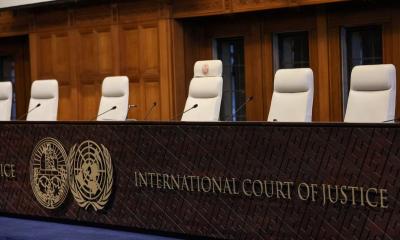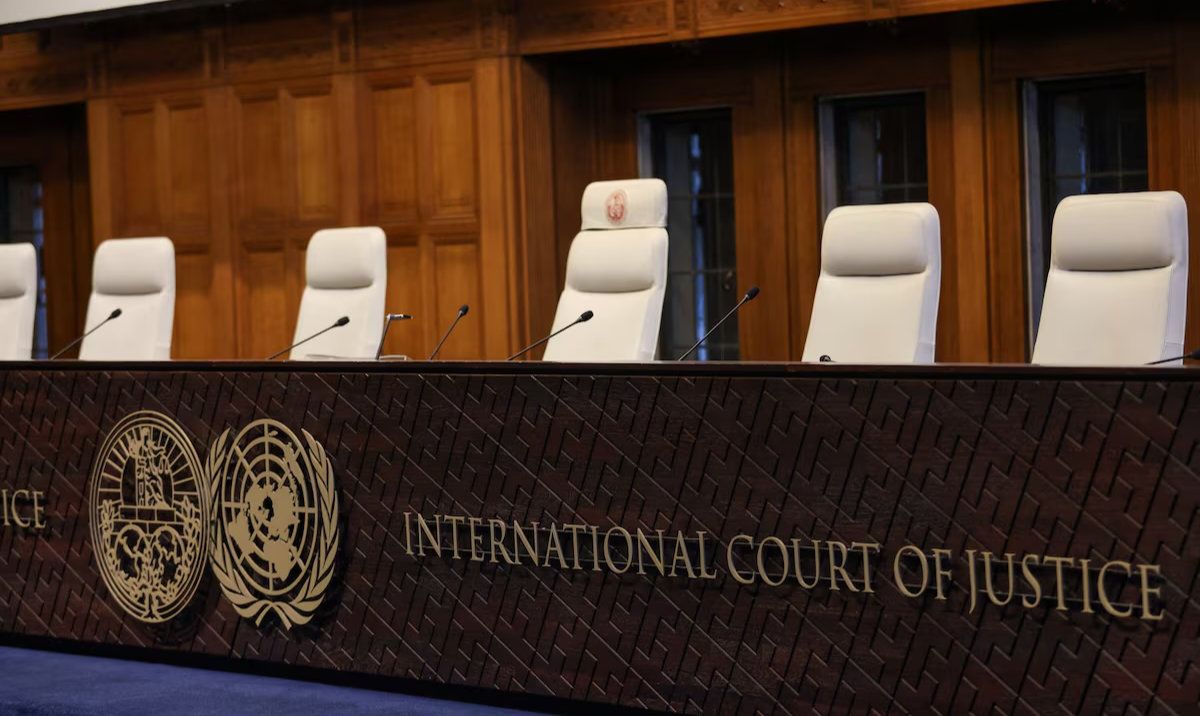
The top United Nations court announced on Tuesday it will deliver a ruling on whether Myanmar’s crackdown against its mostly Muslim Rohingya minority constituted a genocide. Judges at the International Court of Justice have spent seven years weighing accusations brought by The Gambia.
The Gambia argues that Myanmar’s repression of the Rohingya breached the 1948 UN Genocide Convention. The case was brought under treaty terms allowing any state to sound the alarm if it suspects genocide is occurring.
Gambian Justice Minister Dawda Jallow told the court during hearings in January that the Rohingya had suffered the most horrific violence and destruction one could imagine. He stated the proceedings are about real people and real stories, adding that the group has been targeted for destruction.
Myanmar has consistently denied carrying out a genocide against the Rohingya. Officials argued its actions targeted a military uprising by insurgents after a series of attacks left a dozen security personnel dead.
Ko Ko Hlaing, a minister in the president’s office, told the court that the allegations were unsubstantiated. He stated that emotional language and blurry factual pictures are not a substitute for a rigorous presentation of facts.
During a previous hearing in 2019, de facto civilian leader Aung San Suu Kyi addressed the court at the Peace Palace in The Hague. The Nobel peace laureate argued that the case risked reigniting the crisis and that there was no genocidal intent behind the crackdown.
Suu Kyi, now 81, will not attend the upcoming verdict. She has remained under house arrest in the capital Naypyidaw since being unseated in a 2021 military coup.
The military crackdown and actions by Buddhist militias forced hundreds of thousands of Rohingya to flee across the border to Bangladesh. More than one million Rohingya currently live in Bangladesh, which hosts the world’s largest refugee settlement.
Legal experts are watching the ICJ decision for clues on how the court might handle a separate genocide case brought by South Africa against Israel over its campaign in Gaza. While the ICJ lacks enforcement powers, a ruling against Myanmar would increase international pressure on its military junta and provide justice for the Rohingya.
The ICJ previously ordered Myanmar in 2020 to take all measures within its power to prevent genocide acts, including killings and deliberately inflicting destructive living conditions. Judges also dismissed a jurisdictional challenge from Myanmar.
Other international legal bodies are also investigating crimes against the Rohingya. In 2024, the chief prosecutor of the International Criminal Court requested an arrest warrant for Myanmar junta chief Min Aung Hlaing over alleged crimes against humanity, and a separate case is underway in Argentina under universal jurisdiction.