Prisoner advocacy groups warned on Thursday that Israeli authorities are systematically subjecting Palestinian child detainees to physical and psychological harm. The ongoing conflict in Gaza has escalated the targeting of Palestinian youth, the organisations reported.
In a joint statement issued for World Children’s Day on November 20, the Commission of Detainees and Ex-Detainees Affairs and the Palestinian Prisoners’ Society stated that violations against Palestinian children had intensified. Child detainees have become a central issue in the broader conflict.
Palestinian children have faced decades of violations, according to the institutions. These include killings, injuries, denial of education, night raids, and detentions affecting tens of thousands of individuals over the years.
Children killed in airstrikes and those deprived of basic needs in detention are victims of the same system, they stated. The institutions have documented more than 2,000 detentions of Palestinian children in the occupied West Bank, including Jerusalem, since the conflict began.
Dozens of children from Gaza have also been detained during the hostilities. These minors have been subjected to enforced disappearance and denied family visits, making their exact number difficult to determine.
Approximately 350 Palestinian children, including three girls, are currently held in Israeli prisons under harsh conditions, according to the statement. Children have been seized during home raids, confrontations, at military checkpoints, on streets, and inside or near schools.
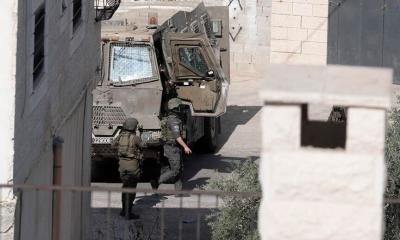
The statement described how detentions frequently begin with pre-dawn raids. Soldiers break down doors, shout at families, and force children out of bed in their nightclothes.
Minors are required to stand or sit on the floor for hours while soldiers confiscate phones and documents. Arrests are announced without providing charges or explanations to the families.
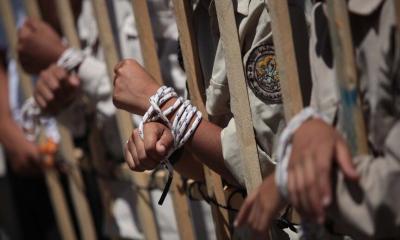
Injured and ill children are often denied medication and medical care. They may be shackled, beaten, or kicked during transfers in military vehicles, while their whereabouts and conditions are concealed from relatives.
During interrogations, children face hours of questioning without lawyers or family members present. They endure sleep deprivation, isolation, and psychological intimidation aimed at extracting confessions.
The institutions stated that these practices turn legal procedures into systematic violations. Such actions breach protections and fair trial guarantees outlined in the Convention on the Rights of the Child, leaving lasting consequences for the futures of these minors.