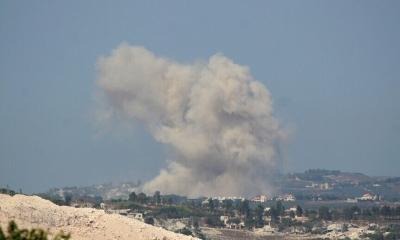
Smoke rising from neighbouring villages served as an urgent signal for Rohingya families that an attack was underway and that they needed to flee immediately.
Survivors described seeing rivers run red with bodies. They pulled the dead out for quick burial rites before continuing their escape through forests and over hills during heavy monsoon rains.
These accounts of organised mass killing, sexual attacks and the total destruction of villages formed a core part of a ruling issued this week in The Hague.
The International Court of Justice stated that Myanmar had carried out a genocide against the Rohingya. The court said the military killed those trying to escape rather than merely conducting ethnic cleansing.
More than 700,000 refugees arrived in neighbouring Bangladesh after the 2017 violence, settling in the world’s largest refugee camp in Cox’s Bazar.
Many survivors escaped an initial assault on their own community, only to watch their relatives killed in the villages where they had sought refuge.
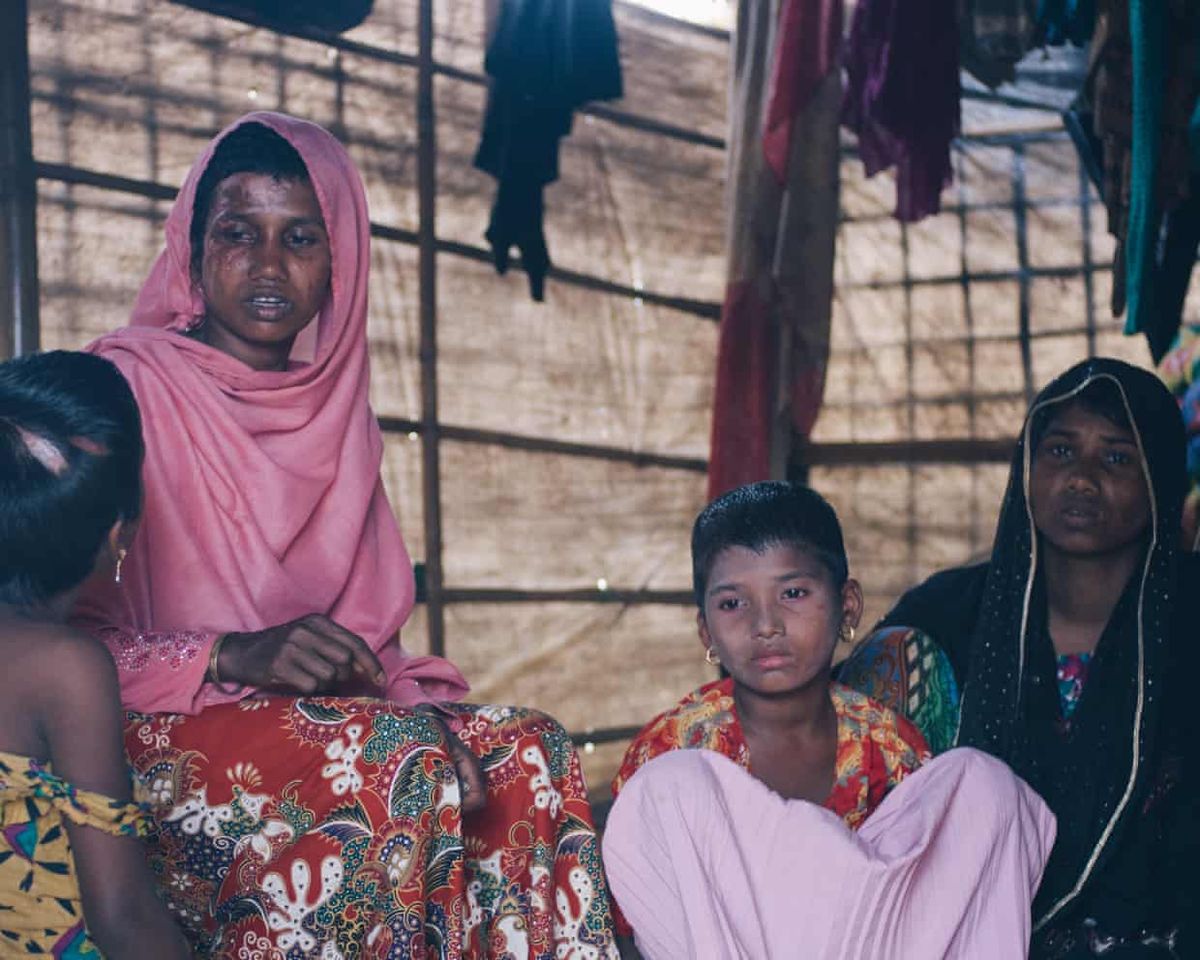
Sisters Momtaz Begum and Dildar Begum survived the violence in their village of Tula Toli. Both women lost husbands and children, suffered sexual attacks, and each escaped with a single surviving daughter bearing similar scars on the back of their heads.
For months, the sisters believed each other dead. They eventually discovered they had both reached Bangladesh and were living in different areas of the camp.
Anwara Begum had previously lived as a refugee in Bangladesh twice before, first as a child in 1978 and again in the early 1990s as a young mother.
She broke an oath never to return when she saw the river near her village filled with floating bodies from Tula Toli. That sight prompted her husband to pull out corpses for burial before they fled toward the Naf River.
To cross the border into Bangladesh, Anwara Begum handed over all her gold, equal to 200 US dollars, to a Bangladeshi boatman.
Another survivor, elderly Nur Alam, had to be carried on the shoulders of his children during the journey to Bangladesh, accompanied by his 10-year-old grandson Mamoon.
Alam arrived in Bangladesh for the fourth time in his life, having previously been expelled during military operations in the 1950s.
Almost a decade after the 2017 arrivals, the majority of Rohingya stay in the camps alongside those who fled earlier persecution.
The international court ruling arrives during a difficult period. Hundreds of refugees have died at sea trying to leave the camps, and countries including Malaysia and India have discussed returning the Rohingya to Myanmar, leaving campaigners hoping the judgment will halt such plans.