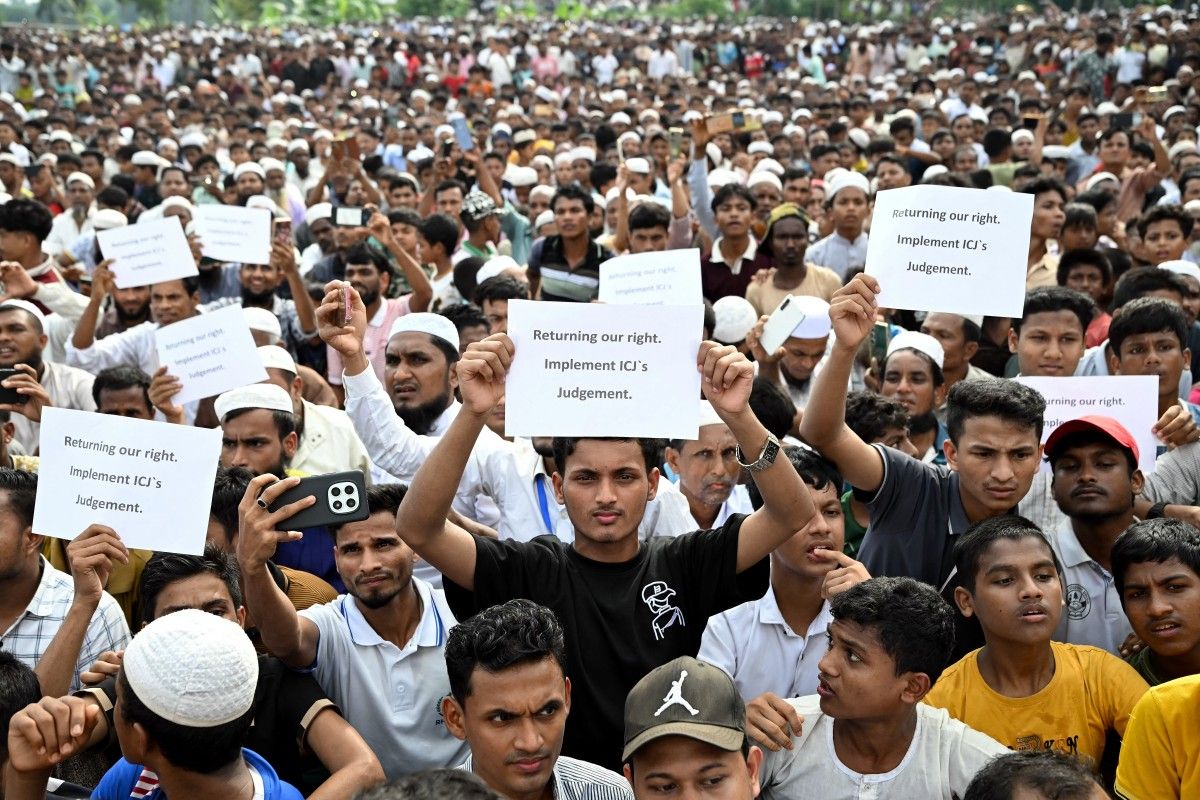
Mujibur Rahaman remembers the harrowing journey he undertook with his family nearly 10 years ago. The Myanmar military burned down villages and killed his neighbors, forcing survivors to flee to neighboring Bangladesh.
It took them several days to cross the border from their home in Myanmar’s northern Rakhine State. They navigated difficult terrain without proper food, drinking water or rest, carrying only a handful of essentials.
"The journey was extremely difficult and frightening. We traveled mostly on foot, walking through villages, fields, hills and difficult routes to escape the violence," the 26-year-old said on Saturday.
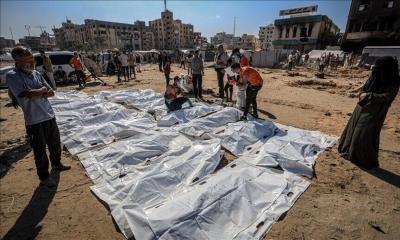
Rahaman and his family were among more than 700,000 Rohingya forced to flee that year. Myanmar forces launched a military campaign that killed at least 10,000 people, including up to 2,109 children under five.
On Thursday, the International Court of Justice at The Hague ruled that Myanmar committed genocide against the Rohingya minority in that brutal military operation. The judgment marked the first time the court held a state responsible for the gravest of crimes under international law.
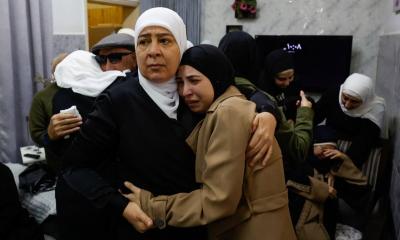
"I feel deeply emotional, relieved, and hopeful. This is a historic moment for the Rohingya people, who have suffered decades of persecution, violence, and injustice," Rahaman said.
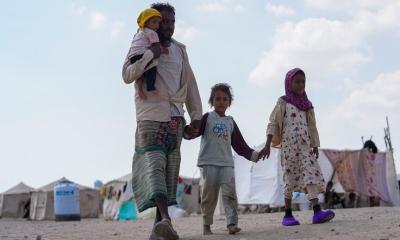
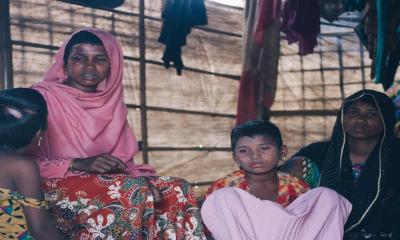
A mostly Muslim ethnic minority, the Rohingya have lived for centuries in Myanmar’s northern Rakhine State but were stripped of their citizenship in the 1980s. Today, around 1.3 million Rohingya shelter in Cox’s Bazar, turning the coastal district into the world’s largest refugee settlement as international aid dwindled.
Mohammad Arafat, a 16-year-old Rohingya living in Bangladesh, hopes the ruling will allow his people to return to Rakhine soon. "If we are given assurance of safety and security, citizenship rights with dignity, we want to return home without any delay," he said.
The Rohingya case was first brought to the ICJ in 2019 by Gambia. On Thursday, the court ordered Myanmar’s military-supported government to allow the Rohingya to return home safely, pay reparations and prosecute those suspected of genocide.
The court’s rulings are final and legally binding, though it has no enforcement mechanism beyond reporting noncompliance to the UN Security Council. Still, the judgment brought immense relief to elderly survivors like 60-year-old Bosu Khatun, who lost 10 family members during the crackdown.
"Now, my only dream is to live the remainder of my life in my homeland and to be buried over there. I don’t want to die as a refugee," Khatun said.