As the season of Eid al-Adha approaches, various questions regarding the rules of animal partnership (sharikana) surface within the Muslim community. One of the most common queries is whether two brothers can jointly pool their money to purchase a single share (bhaag) in a sacrificial animal. According to Islamic jurisprudence (Fiqh), Sharia law enforces strict parameters regarding intentions and ownership, and violating these boundaries can invalidate the sacrifice entirely.
The Foundational Ruling in Sharia
In Islamic legal frameworks, the capacity of a sacrificial animal is determined strictly by its species. Small animals—such as goats, sheep, and rams—can only represent a single individual; under no circumstances can multiple people split ownership of a small animal for Qurbani.
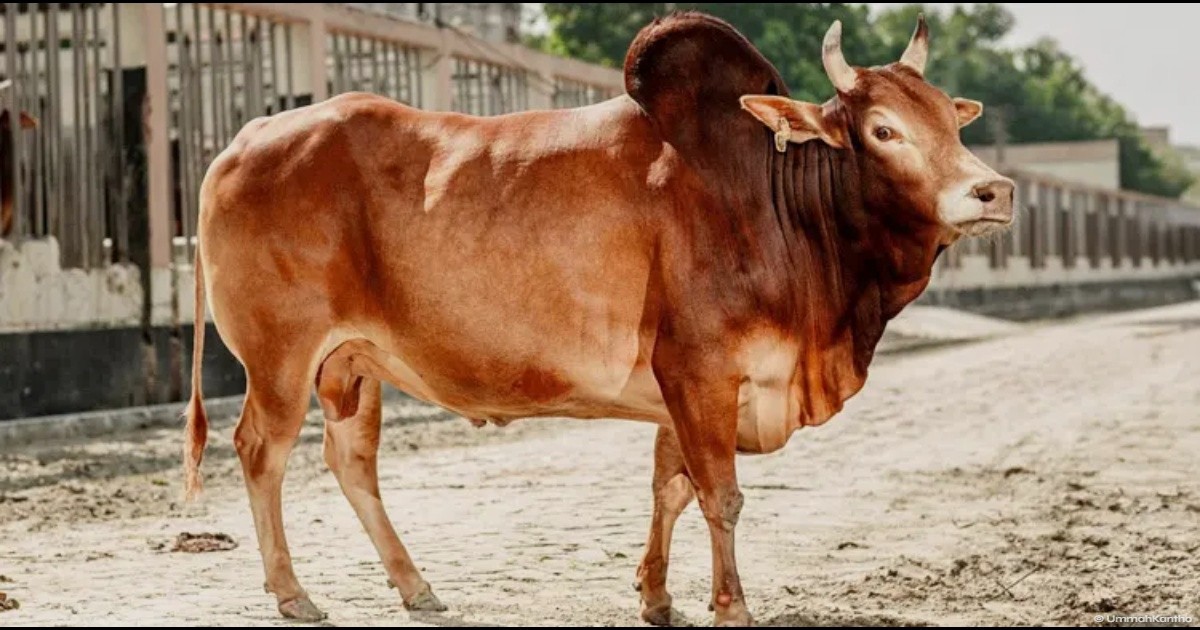
For larger animals, such as cows, buffaloes, and camels, the animal can be divided into a maximum of seven equal shares. However, a crucial caveat exists: each individual share can only belong to one distinct person. Even if the individuals are biological brothers living in a joint household, they cannot legally split a single share between their two names. One share equals one name and one unique intention.
The Domino Effect on Large Animals
Islamic scholars warn that if two individuals attempt to list both of their names on a single portion of a large animal, it creates a fatal flaw in the legal validity of the sacrifice. Not only is the Qurbani of those two individuals invalidated, but this error also compromises the structural integrity of the remaining shares. Consequently, the sacrifice of all other partners sharing that specific cow or camel will also be rendered void under Sharia guidelines.
The Permissible Alternative
For families or brothers facing financial constraints who still wish to perform the ritual together, Islamic law provides a practical workaround:
- Monetary Gift (Hiba): One brother can voluntarily give his financial contribution to the other brother as a gift or financial aid, relinquishing his legal claim to the share.
- Single Registration: The share is then officially registered under one brother`s name. The sacrifice is executed under his sole intention, fulfilling his religious obligation.
- Sharing the Meat: Once the Qurbani is completed, the meat can be distributed and consumed jointly within the household without any religious prohibition.
This mechanism is rooted in prophetic tradition. In a well-documented narration found in Sahih Muslim, Jabir ibn Abdullah (may Allah be pleased with him) stated:
"We set out with the Messenger of Allah (pbuh) assuming Ihram for Hajj... He commanded us to associate partners in camels and cows, seven persons for each individual animal." (Sahih Muslim, Hadith: 1318)
Ultimately, if both brothers possess surplus wealth meeting the threshold of Nisab (making Qurbani mandatory upon them individually), they must secure separate shares entirely. Ensuring technical compliance with these jurisprudential nuances is essential for the acceptance of this major annual ibadah.
Given the financial strain caused by the ongoing global economic shifts in 2026, do you think Islamic scholars should promote these alternative financial gifting methods more widely to help struggling families perform Qurbani?