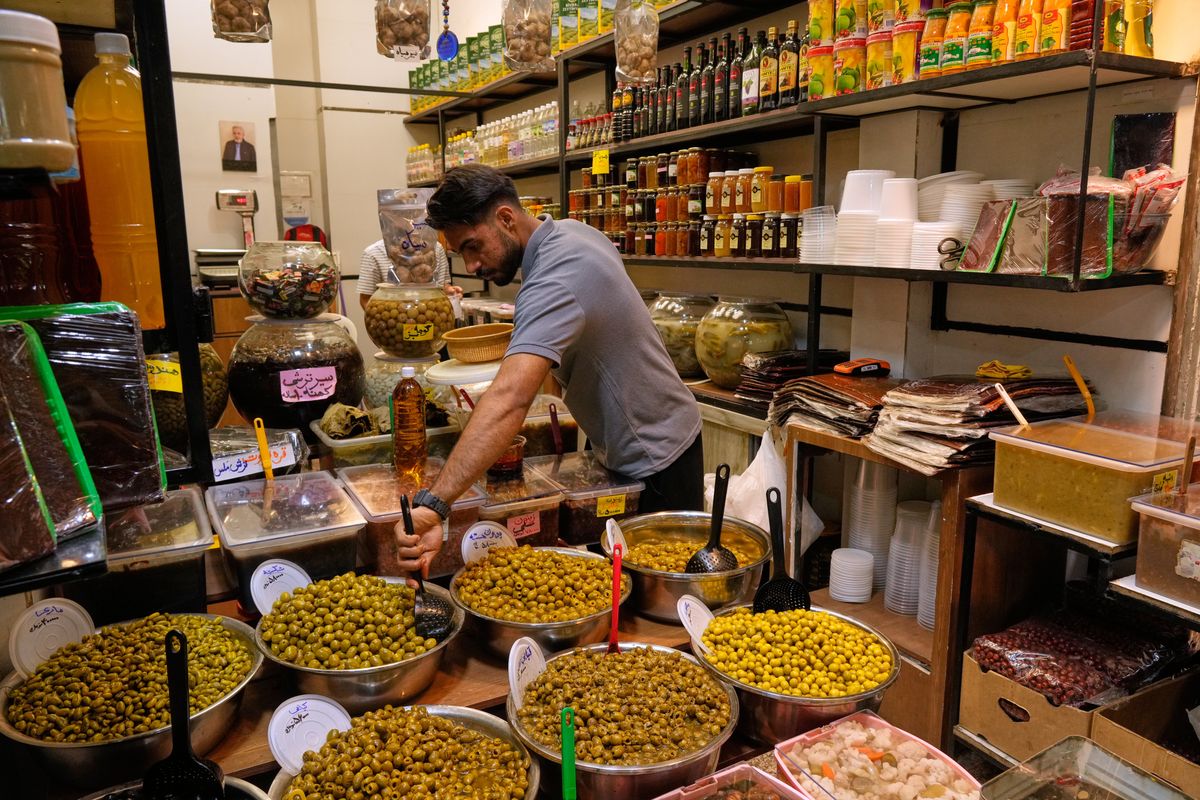
Iranian President Masoud Pezeshkian said on Saturday that many citizens were struggling to put food on the table as economic pressure from the ongoing Middle East conflict mounts.
Washington has dialed back military operations in recent weeks in favour of economic pressure. Iranian leaders maintain that peace negotiations will only succeed without pressure and threats from Washington while the conflict remains locked in a stalemate.
"There are many people in this society who are struggling to put food on the table because of the war we have found ourselves in, because of the wartime conditions we are living under," Pezeshkian said in a speech shared on his official website.
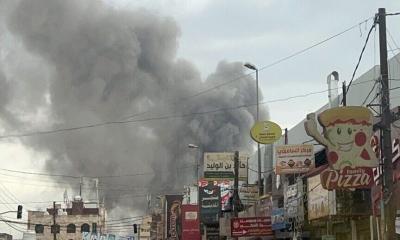
The war began on 28 February when the United States and Israel attacked Iran, killing Supreme Leader Ayatollah Ali Khamenei and senior military commanders.
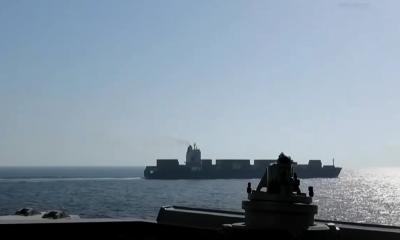
Iran retaliated with attacks on American assets in the region and on Israel. Tehran also restricted passage through the strategic Strait of Hormuz, which serves as a key route for global energy supplies.
Washington responded by imposing a blockade on Iranian ports, restricting the country’s oil exports and overall trade.
A ceasefire deal mediated mainly by Pakistan in mid-June was intended to end the fighting and pave the way for broader negotiations. The agreement collapsed soon afterwards, with both sides accusing each other of violating its terms.
Since the collapse, the United States has carried out sporadic attacks on Iranian targets. Iran has targeted vessels attempting to cross the strait, accusing them of violating conditions set by Tehran for safe passage.
Pezeshkian called for an end to what he described as a state of neither war nor peace. He stated that Tehran must also get out of this situation, though he did not specify how.
His remarks came as fears of renewed fighting grew. On Friday, US ambassador to Turkiye Tom Barrack said American strikes on Iran could resume as soon as this weekend during an appearance with podcast host Mario Nawfal, though Barrack also serves as Washington envoy on Syria and does not have a direct role on Iran.
The spokesman for Iran’s Revolutionary Guards told the Fars news agency on Saturday that the armed forces were ready to respond to any new attack. "Even if the enemy takes limited action, Iran’s response will be several times greater," he said.