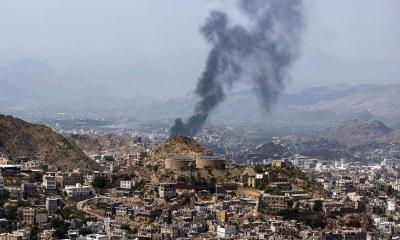
Aden Governor Abdulrahman Sheikh narrowly escaped a ballistic missile strike on Wednesday. The missile hit near the international airport shortly after he left the facility following a routine inspection tour.
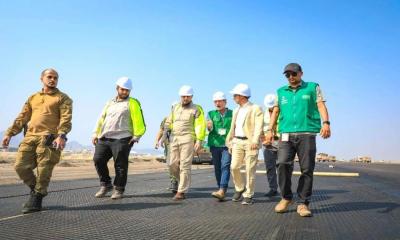
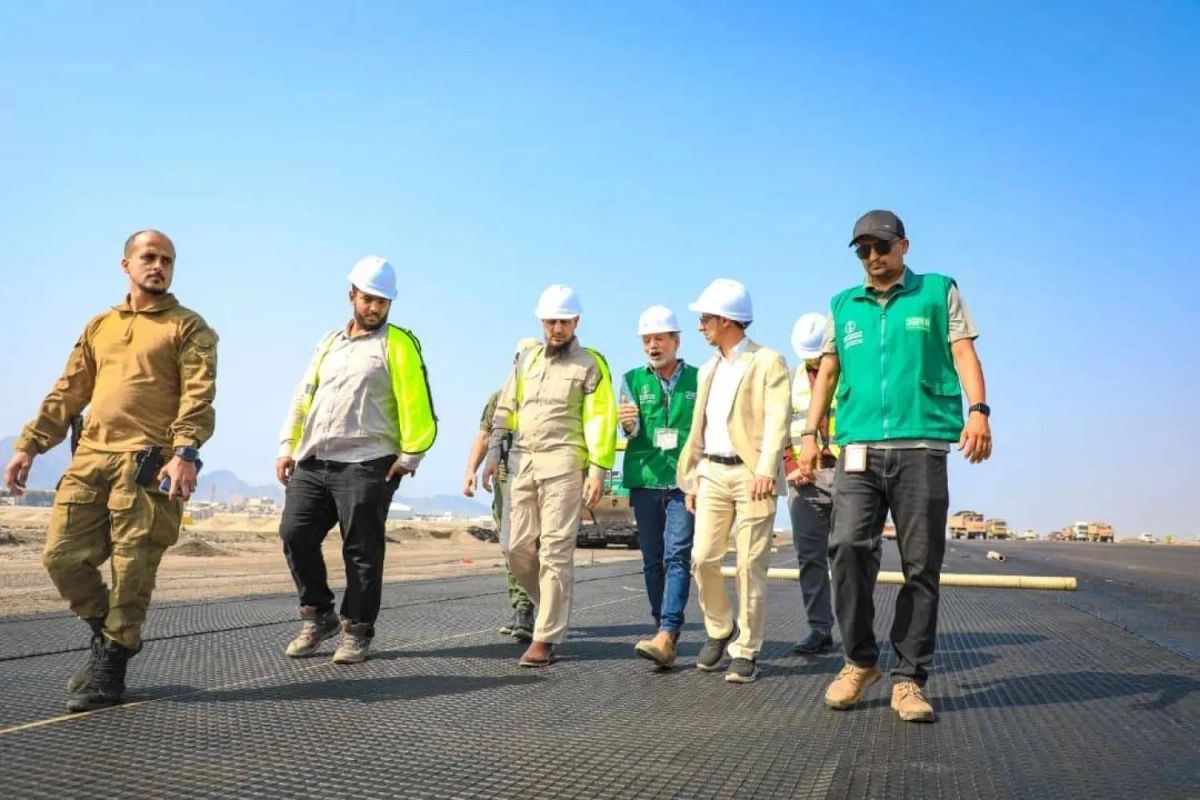
Sheikh, who is also Yemen’s minister of state, had visited the airport to review runway repairs. He then continued with his schedule to visit other sites across the city.
Speaking to Asharq Al-Awsat, Sheikh said he had been inspecting the third phase of the airport renovation. The Saudi Development and Reconstruction Program for Yemen is carrying out the work, which is between 70 and 80 percent complete.
Sheikh kept to his schedule after the blast. He inspected public service projects and visited multiple security departments in the city.
Threats like this are part of daily life for officials in the interim capital since the war and the Houthi coup began in 2015. Authorities must balance security risks against the urgent need to maintain public services and advance reconstruction.
Sheikh said local authorities use specific precautions against Houthi drone and missile attacks. These measures include avoiding long stays at inspection sites and keeping official movements unannounced.
Security agencies have dismantled several Houthi sleeper cells in Aden and other provinces. Sheikh revealed these operations are part of wider efforts to protect the city and vital infrastructure.
The governor insisted that such attacks will not deter Yemenis from doing their jobs. He maintained that violence will not halt efforts to improve living conditions in Aden.
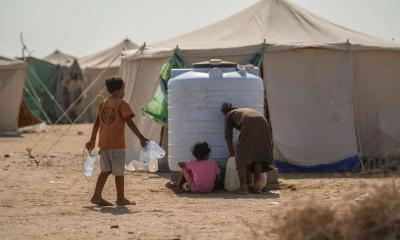
Aden also faces intense pressure to deliver essential services. The city suffers from cooking gas shortages, severe strains on electricity supplies, and a constant demand for medicines and medical equipment.
Sheikh described the overall situation as reassuring despite difficulties in securing basic goods. He blamed the cooking gas shortage on disrupted supplies from Marib province and rising demand.
Electricity is a major challenge because of heavy pressure on the sector. Healthcare facilities also need regular deliveries of medical supplies to treat patients.
Sheikh praised support from the Saudi Development and Reconstruction Program for Yemen, the Joint Forces, and the King Salman Humanitarian Aid and Relief Center. He pointed to their help in supplying regular medicines and medical equipment.
Local authorities will continue to oversee development projects and maintain essential services despite the ongoing security and economic challenges.