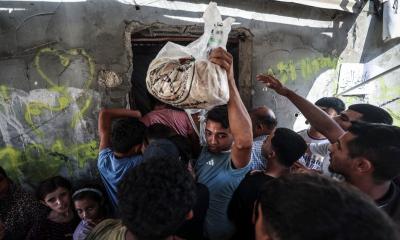
Displaced Palestinians across the occupied West Bank face severe hunger and worsening conditions after losing food assistance from the United Nations. International funding constraints forced the World Food Programme to cut its food aid recipients across the territory by 50 percent.
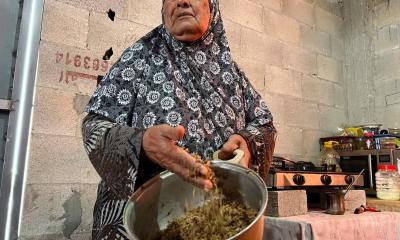
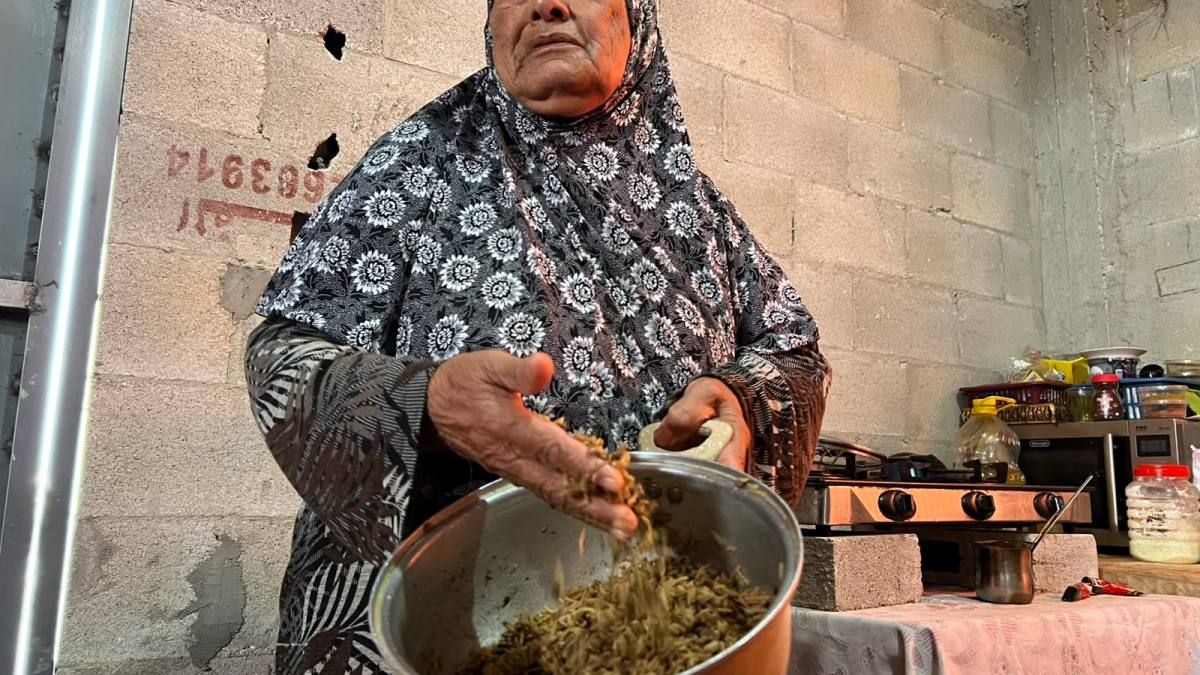
Fawza Awad, a 75-year-old widow, lost her home when an Israeli military operation targeted northern West Bank refugee camps. She now lives in a small, unfinished house in Tulkarem with her son, his wife and their child. The family previously received limited support from the UN agency, but has received no aid in five months. Fawza said her former home was completely demolished by the army and replaced with a road for military vehicles.
She suffers from asthma and high blood pressure, requiring monthly medication costing at least 200 shekels that she cannot afford. One of her sons has been detained by Israel since 2024. Her other sons lost their jobs when work permits inside Israel were cancelled.
Nearby, in the al-Muwahhad School building in the Thannabeh suburb of Tulkarem, more than 1,000 displaced Palestinians shelter in small rooms. Rabab Qasim, her husband Talib Abu Sarriya and their three children have lived in a 30-square-metre ground-floor room for two years without any income. Their food assistance stopped three months ago.
Talib said his family frequently goes to sleep hungry without bread or a proper meal. Before the conflict, he operated a modest vegetable stall in the Tulkarem refugee camp. Rabab suffers from a herniated disc requiring monthly treatment costing 300 shekels, an expense she cannot cover.
The World Food Programme confirmed that funding constraints from international donors drove the cutbacks. Food needs in the territory have more than doubled since the war on Gaza began, with about 900,000 people now experiencing food insecurity in the West Bank. The agency reports that 76 percent of Palestinian households have suffered an income decline, while 12 percent face poor food consumption.
In Masafer Yatta, south of Hebron, Said al-Amour and his 14-person family have received no assistance for seven months. He was shot by a settler in April 2025 during an attack on his village, resulting in the amputation of his leg. He requires monthly medical treatment costing at least 1,200 shekels and has no income other than a few olive trees that settlers frequently attempt to seize.
Economist Ubai Aboudi stated that the territory faces a humanitarian crisis driven by the loss of UN food aid and a financial collapse affecting the Palestinian Authority. Israel has withheld customs revenues collected on behalf of the authority since May 2025, preventing public sector salary payments. Tens of thousands of workers have also lost employment inside Israel, while restrictions have hit Palestinian and international NGOs, including the suspension of 37 international groups.